
Search
Showing results for "Childhood interstitial lung disease "

Research from The Kids Research Institute Australia has shown that children born to older mothers fare well when it comes to behaviour.
Having a newborn child admitted into a NICU can be highly traumatic for parents. The compounding effects of the NICU clinical environment, having a seriously ill child, in addition to the inability to care or adequately bond with your child can be extremely distressing.
The Government of Uzbekistan has committed to reforming preschool education, prioritising upskilling teachers to use international best practice.
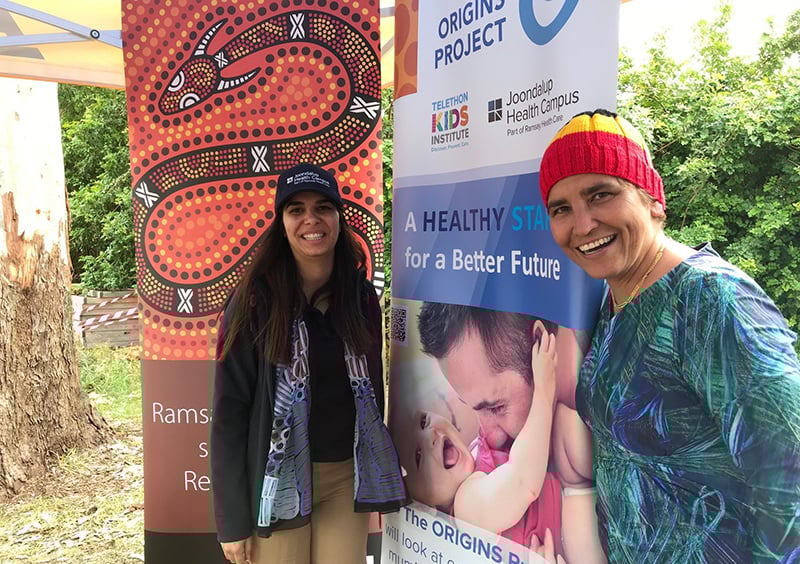
ORIGINS participated in the inaugural Wadjak Northside Social Emotional Wellbeing Expo on 24 October at the Wadjak Northside Aboriginal Community Centre.

Leading international diabetes technology expert Laurel Messer visited Perth to share her experiences with closed loop systems at the Children’s Diabetes Centre’s Community Forum on March 28.
As part of our research development and planning we invite members of the community to work with us. Click here to find out how.
Namibia, a low malaria transmission country targeting elimination, has made substantial progress in reducing malaria burden through improved case management, widespread indoor residual spraying and distribution of insecticidal nets. The country's diverse landscape includes regions with varying population densities and geographical niches, with the north of the country prone to periodic outbreaks.
Rheumatic heart disease is the largest contributor to cardiac-related mortality in children worldwide. Outcomes in endemic settings after its antecedent illness, acute rheumatic fever, are not well understood. We aimed to describe 3-5 year mortality, acute rheumatic fever recurrence, changes in carditis, and correlates of mortality after acute rheumatic fever.
To investigate temporal trends in admission rates for acute lower respiratory infections (ALRI) in a total population birth cohort of non-Aboriginal and...
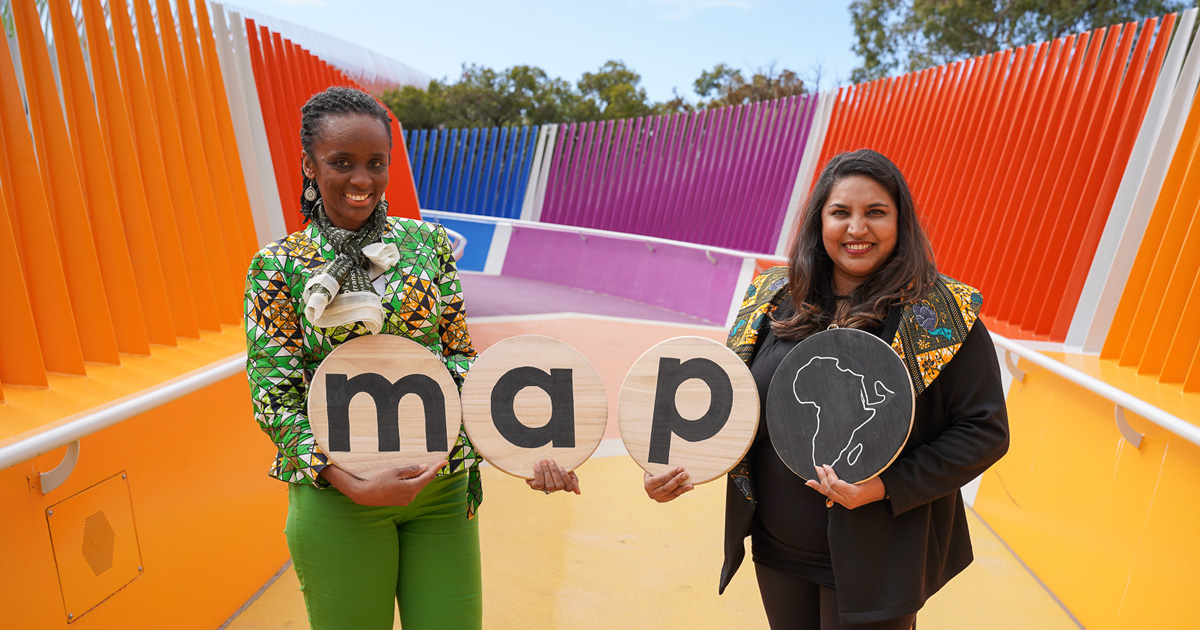
The Malaria Atlas Project (MAP) – which houses the world’s largest malaria database and is at the forefront of efforts to track and tackle the disease – has been awarded more than $16 million by the Bill & Melinda Gates Foundation.