
Search
Showing results for "mental health aboriginal"
Individuals with Rett syndrome (RTT) experience impaired gross motor skills, limiting their capacity to engage in physical activities and participation in activities. There is limited evidence of the effectiveness of supported physical activity interventions. This study aims to evaluate the effects of a telehealth-delivered physical activity programme on physical activity, sedentary behaviour and quality of life in RTT.
Wearable technologies impact upon sexual activity and this influences the decision to adopt the technology
The U-PART intervention was found to be feasible and effective in the short term in girls and women with Rett Syndrome

How can your organisation help improve the lives of children?
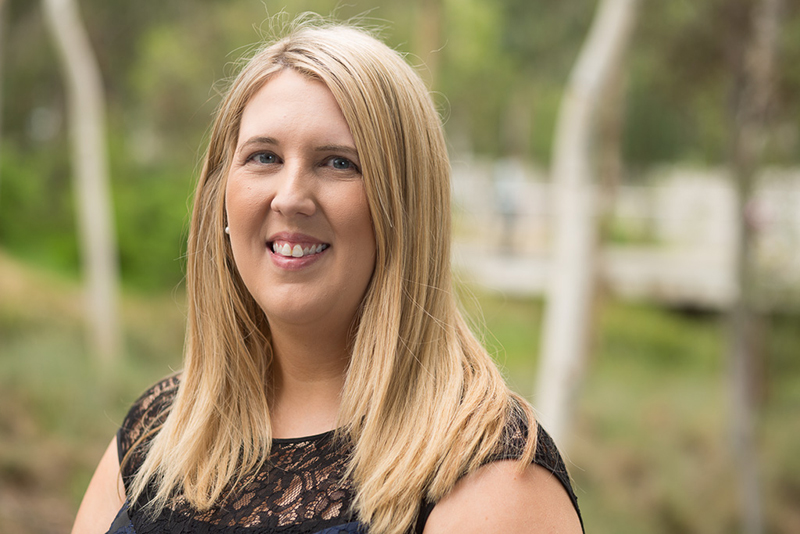
Like many of us, consumer and community advocate Catherine Hughes is worried about the impact of COVID-19. So she joined Australia’s first COVID-19 consumer reference group to be a voice for the community.
Once upon a time it was infectious diseases like polio, measles or tuberculosis that most worried parents. With these threats now largely under control, parents face a new challenge – sky-rocketing rates of non-infectious diseases such as asthma, allergies and autism.
The effects of educational advantage or disadvantage get handed down through the generations according to a new study by researchers at the The Kids.
Gail Andrew Videos Alvares Whitehouse Watch and listen to Andrew PhD PhD Principal Research Fellow Deputy Director (Research); Angela Wright Bennett
Gail Prue Shelley Alvares Hart Gorman PhD BSc (Hons) MSc PhD BSc (Hons) PhD Principal Research Fellow Honorary Research Fellow Honorary Research

Consumer Representative Lauren Hope-Blyth