
Search
Showing results for "early childhood"
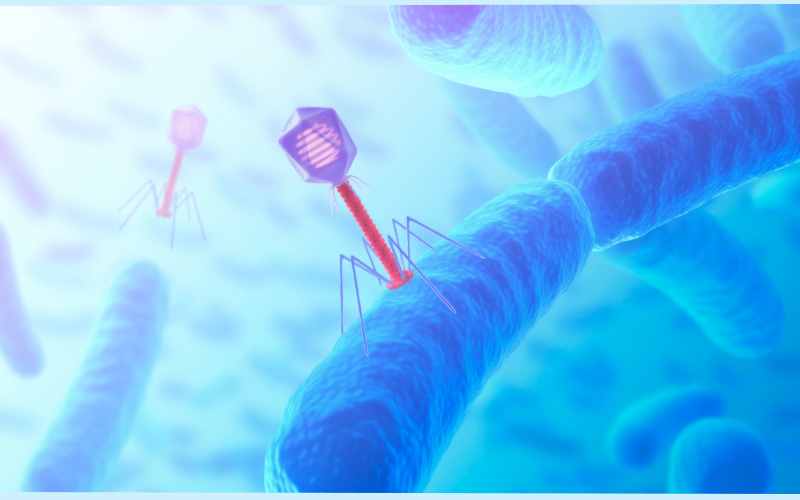
The Wal-yan Respiratory Research Centre is seeking expressions of interest from Western Australians to join an Antimicrobial Resistance (AMR) Community Reference Group, to provide vital community perspectives on the research activities into this global health concern.

In an exciting development for the Wal-yan Respiratory Research Centre, Professor André Schultz has been appointed as the Centre’s new Head, succeeding Professor Stephen Stick.
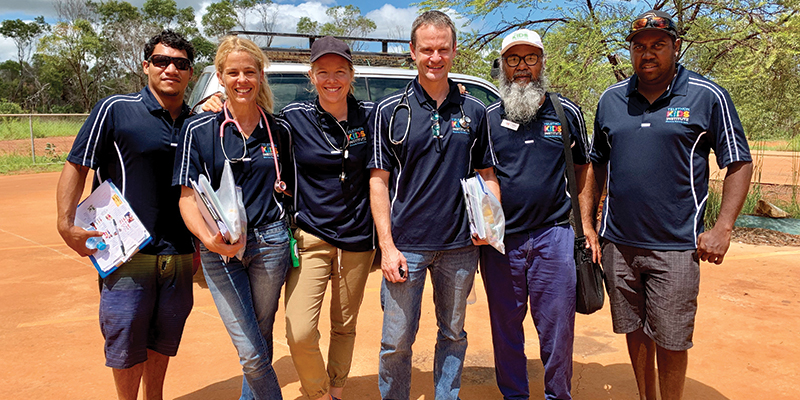
Prevalence of chronic lung disease in Aboriginal children is conservatively estimated at 1.5 per cent
The delay in community transmission of the new Coronavirus in WA, together with the strict, social distancing measures that have been adopted, provide us with an opportunity to observe the level of immunity development to the virus within the community and assess the impact of COVID-19 pandemic on health and well-
Maternal psychological distress is related to poorer physical and mental health as well as child developmental problems. Interventions that optimise maternal mental health and wellbeing during the "first 1,000 days" of life should have wide-reaching benefits for the mother and her child.
Amy Keely Liz Leanne Bec Finlay-Jones Bebbington Davis Fried Sampson BPsych(Hons), MPsych(Clinical), MHealthEcon, PhD (Clin Psych) MClinPsych/PhD
Rearrangements of the Mixed Lineage Leukemia (MLL/KMT2A) gene are present in approximately 10% of acute leukemias and characteristically define disease with poor outcome.
B lymphopoiesis is characterized by progressive loss of multipotent potential in hematopoi-etic stem cells, followed by commitment to differentiate into B cells, which mediate the humoral response of the adaptive immune system.
Symptomatic methotrexate-related central neurotoxicity (MTX neurotoxicity) is a severe toxicity experienced during acute lymphoblastic leukemia (ALL) therapy with potential long-term neurologic complications. Risk factors and long-term outcomes require further study.
There are an estimated > 400 million people living with a rare disease globally, with genetic variants the cause of approximately 80% of cases. Next Generation Sequencing (NGS) rapidly identifies genetic variants however they are often of unknown significance.