
Search
Showing results for "lung disease preterm"
Everything you need to know to book tickets to our upcoming school holiday workshops in July held at Scitech!
Everything you need to know to book tickets to our upcoming school holiday workshops in April held at Scitech!
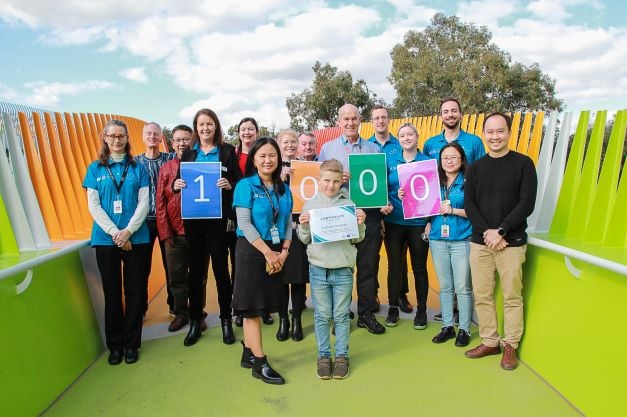
The MAVRIC (Mechanisms of Acute Viral Respiratory Infection in Children) study recently celebrated the recruitment of the 1000th participant to the study, eight-year-old Sullivan Strahan.
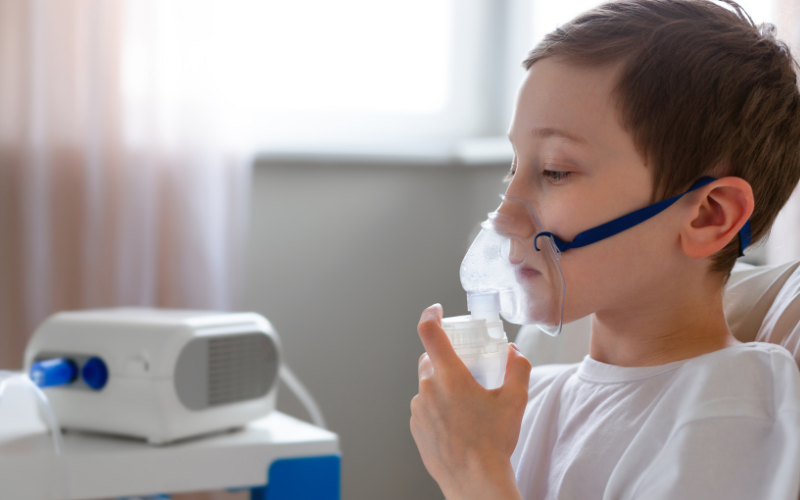
Flare-ups of asthma are usually brought on by respiratory infections, such as the common cold, and are one of the most common reasons for a child to miss school or require emergency care.

Researchers from the Wal-yan Respiratory Research Centre are collaborating with Virex Pharma to undertake vital research into a potential breakthrough treatment for RSV infections in young children, thanks to a $499,241 grant awarded by the WA Department of Health Innovation Seed Fund.
Our team uses AI to quickly analyse large amounts of genetic data to help discover alternate medications and improve existing treatments.
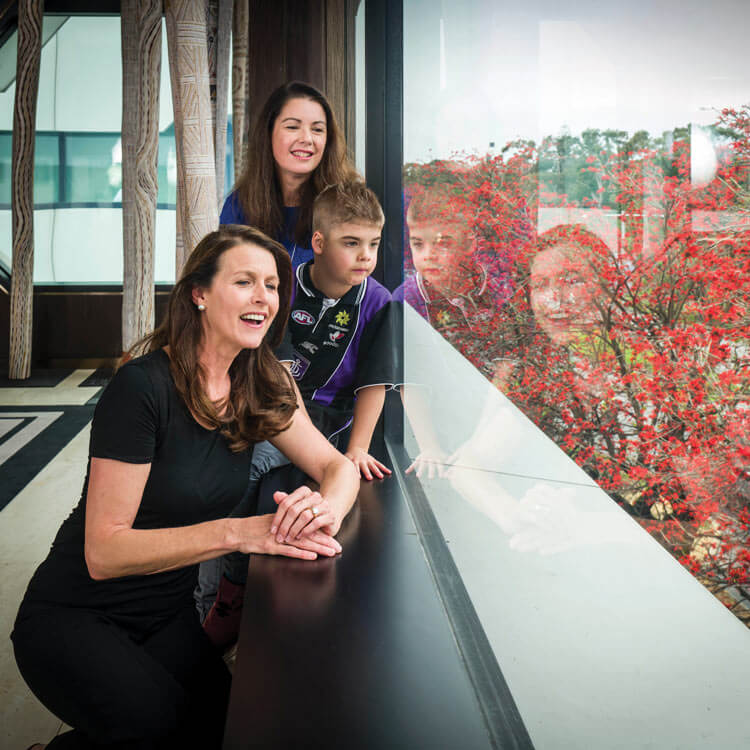
Maddox Ball and The Kids researcher Dr Ingrid Laing might not look like they have a lot in common but they share a very special bond.

The Kids Research Institute Australia researchers have been awarded $5.3 million in prestigious Investigator Grants from the National Health and Medical Research Council
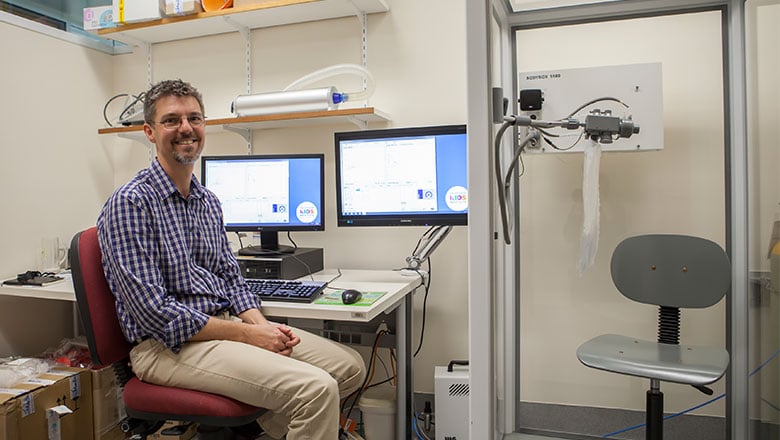
Professor Graham Hall is looking at the effect of air travel on premature babies, with his research already contributing to international guidelines.
Avantogen Limited (ACU:ASX) today announced that cancer researchers at Perth's The Kids for Child Health Research (TICHR) and Avantogen Limited