
Search
Showing results for "clinical trials"
Surgical resection of cancer remains the frontline therapy for millions of patients annually, but post-operative recurrence is common, with a relapse rate of around 45% for non-small cell lung cancer. The tumour draining lymph nodes (dLN) are resected at the time of surgery for staging purposes, and this cannot be a null event for patient survival and future response to immune checkpoint blockade treatment. This project investigates cancer surgery, lymphadenectomy, onset of metastatic disease, and response to immunotherapy in a novel model that closely reflects the clinical setting. In a murine metastatic lung cancer model, primary subcutaneous tumours were resected with associated dLNs remaining intact, completely resected or partially resected.
A search strategy was developed to identify tools used to evaluate standard and teleaudiology hearing aid rehabilitation services for adults. A seven-domain hearing-health-care service model for validation was defined and used to analyse the applicability and suitability of patient- and service-centred tools. This model and the applicability and suitability criteria were based on the literature, the International Classification of Functioning (ICF) framework, and gold standard professional practice guidelines, which together formed the validation framework used in this study.
Our local data supports continuing intramuscular injection of BPG in patients with rheumatic heart disease receiving anticoagulant medication
Upper and lower airways are conserved in their transcriptional composition, and variations associated with disease are present in both nasal and tracheal epithelium
CliniKids is putting the ‘evidence’ in evidence-based practice by providing families access to the best scientific-backed therapies as quickly as possible so that all autistic children have the chance to reach their full potential.
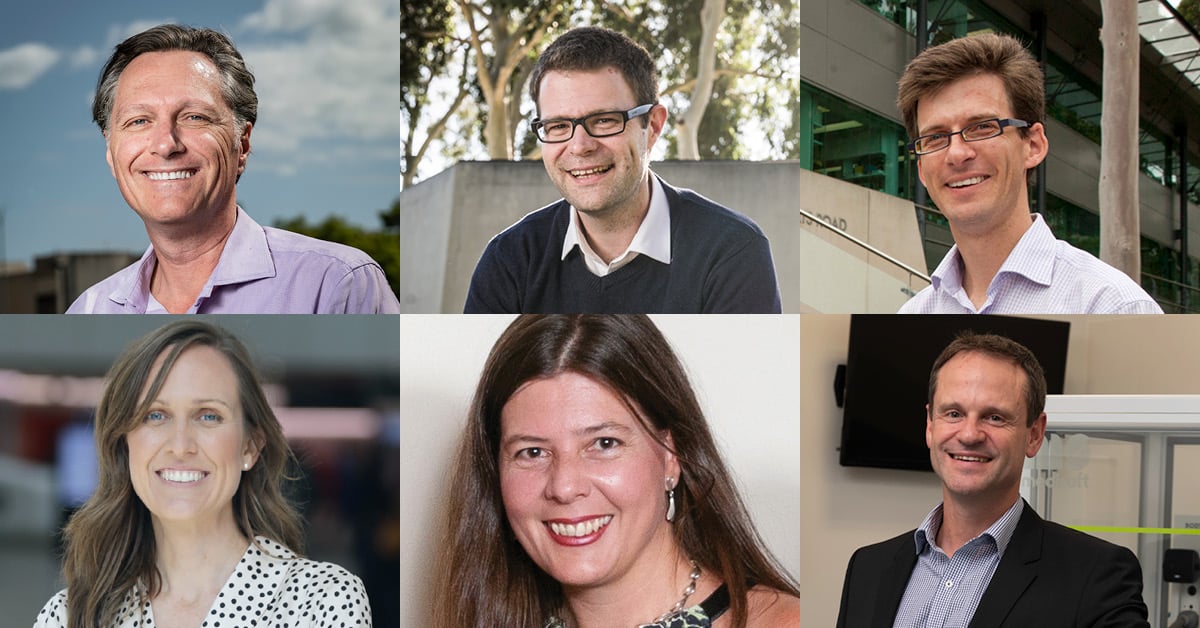
The Kids researchers have been awarded over $9 million in National Health and Medical Research Council (NHMRC) funding towards child health research including rheumatic heart disease, respiratory infections, and autism spectrum disorder.
The Centre is currently involved in an international effort to develop revolutionary closed- loop 'artificial pancreas' technology. It is also leading a multi-centre Australian trial of these portable devices at home in young people with diabetes.

At The Kids Research Institute Australia, we have a dedicated and diverse team of over 1,000 staff, students and honorary researchers.

Video technology is helping researchers learn more about the early communication style of infants with a family history of autism, ADHD or intellectual disability.
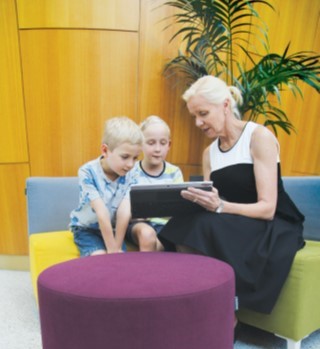
Professor Donna Cross and her team at The Kids Research Institute Australia have challenged and overturned damaging attitudes that saw bullying tolerated in childhood.