
Search
Showing results for "early lung health"
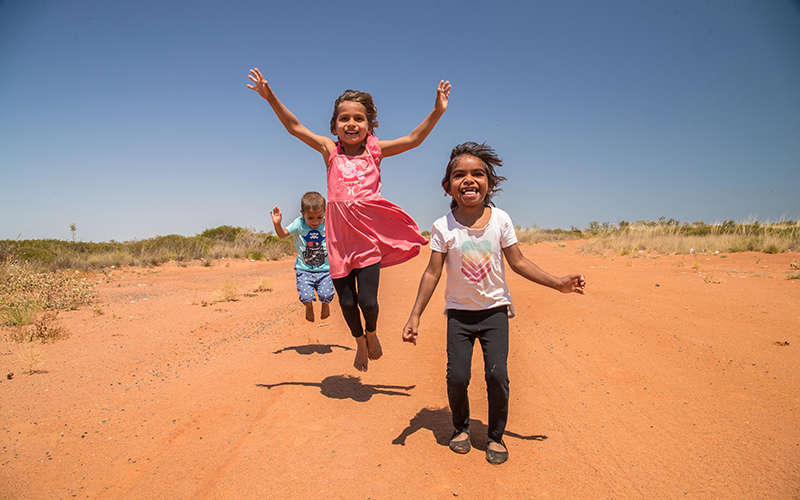
BHP has announced a $20 million commitment to Telethon over the next five years to fund a world-first research partnership with Aboriginal families in the Pilbara and Perth.
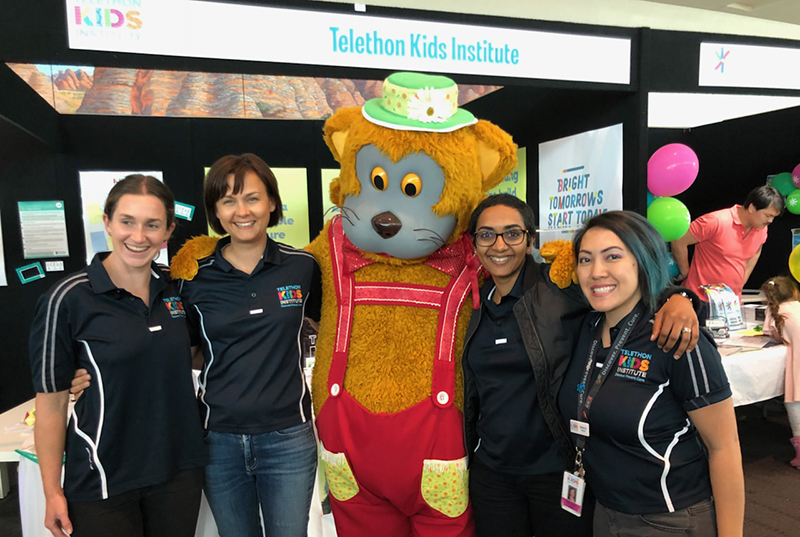
Huge congratulations to Telethon on another record-breaking year, with generous West Australians donating just over $38 million to help sick kids.

Eight The Kids Research Institute Australia researchers are among those who have received grant funding from the Telethon-Perth Children’s Hospital Research Fund (TPCHRF).
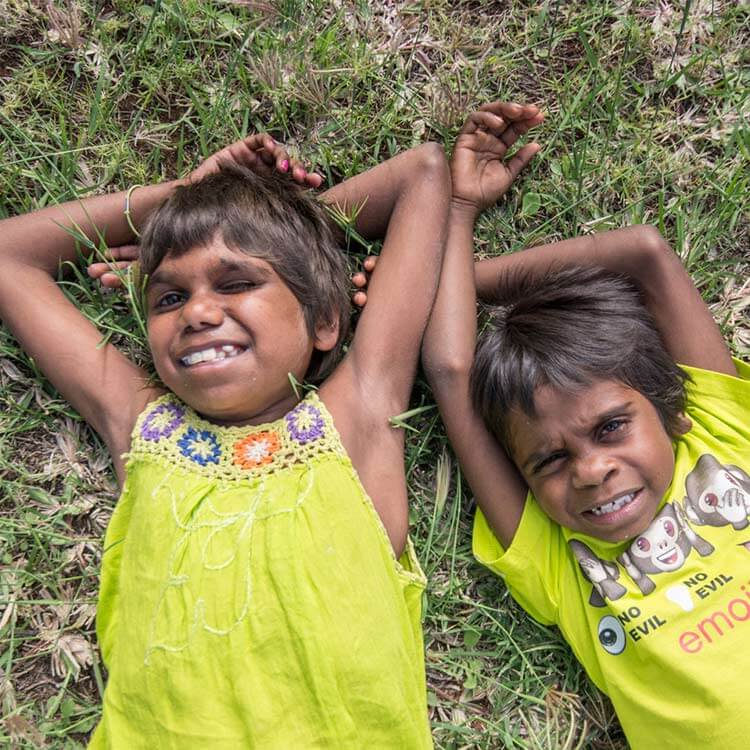
A new project aimed at reducing Fetal Alcohol Spectrum Disorder (FASD) in the Pilbara has been launched today in South Hedland.
Peter Shelley Jacoby Gorman BA (Hons) MSc BSc (Hons) PhD Biostatistician Honorary Research Associate Peter.Jacoby@thekids.org.au shelley.gorman@
The Kids Research Institute developed a world-first RSV transmission model using real data to predict the impact of WA’s immunisation program for young children.
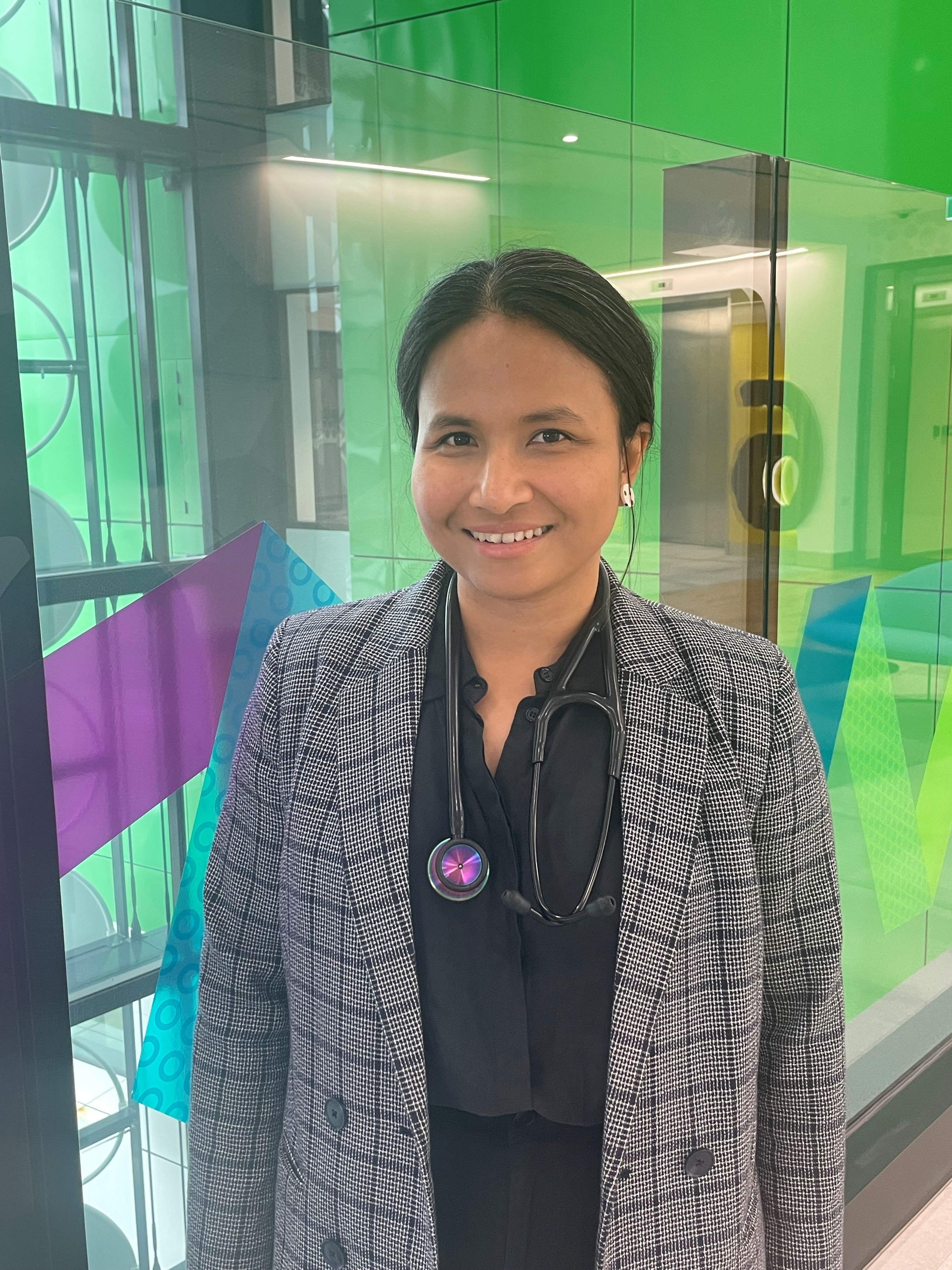
A surge in invasive group A streptococcal reports in Australia has prompted The Kids Research Institute Australia researchers to call for a unified national public health response, with cases tipped to increase.
Septo-optic dysplasia (SOD) is a congenital disorder affecting 1 in 10,000 births, defined by the presence of at least two of a clinical triad, consisting of optic nerve hypoplasia, midline brain defects and pituitary hormone deficiency. Children with SOD may have vision impairment, hormonal deficiencies, developmental disorders, or epilepsy, but the clinical picture is highly variable. The complexity of SOD, its interplay with family factors, and the need for multiple specialty commitments can make the diagnosis period a challenging time for families.
Evidence suggests that children who had received an initial priming dose of whole-cell pertussis (wP) vaccine, rather than acellular pertussis (aP) vaccine, had a lower risk of developing IgE-mediated food allergy, the most common cause of anaphylaxis-related hospital presentations of childhood.
Children with complex needs and severe disability may undergo gastrostomy insertion to support feeding difficulties. Parent education programs are critical components of clinical care pathways but there is little information on parent-reported educational needs. This study describes the collaborative process that yielded a resource to assist parents considering gastrostomy tube placement for their children, and the evaluation of the resource.