
Search
Showing results for "lung disease preterm"
Skin infections are a significant cause of severe disease, requiring hospitalization in Western Australian children, particularly with Aboriginal children
Children with medical comorbidities are at greater risk for severe influenza and poorer clinical outcomes. Despite recommendations and funding, influenza vaccine coverage remains inadequate in these children. We aimed to systematically review literature assessing interventions targeting influenza vaccine coverage in children with comorbidities and assess the impact on influenza vaccine coverage.

Comparatively few children have tested positive for coronavirus (COVID-19). Here’s what we know so far about how children are affected.

The Kids Research Institute Australia has two researchers and an innovative science engagement initiative as finalists in the 2017 Premier’s Science Awards.
Few studies have examined the dietary patterns of adolescents and the social and environmental factors that may affect them during this life stage.
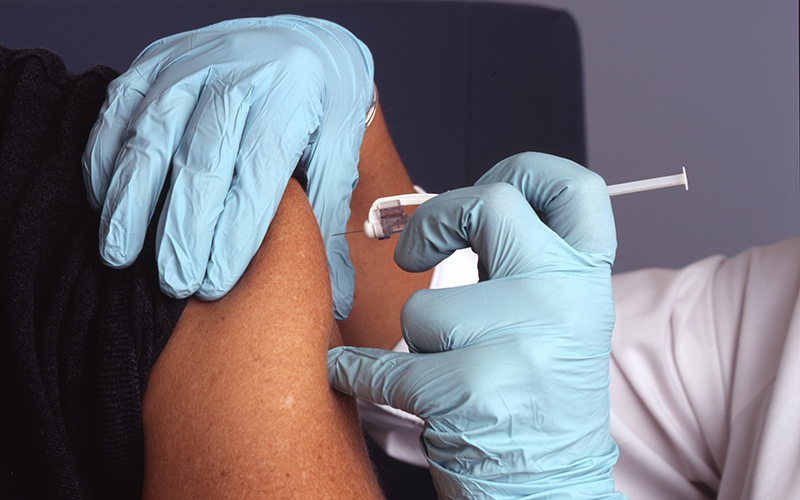
A world-leading international trial examining the immune boosting benefits of the tuberculosis vaccine, BCG, has found it does not protect healthcare workers against COVID-19.
UVR or sunlight exposure may be an effective means of suppressing the development of obesity and MetS, through mechanisms that are independent of vitamin D
This paper reports on the shift in parental attitude to vaccination after 2010, due to an unprecedented increase in febrile reactions in children receiving...
This paper reports some of the findings from the Western Australian Influenza Vaccine Effectiveness Study, commenced in 2008, to evaluate a program providing...
Elucidating the underlying nature of the disorder(s) is a crucial step towards tailoring intervention to the biological and cognitive makeup of each individual.