
Search
Showing results for "mental health aboriginal"

To celebrate International Day of Women and Girls in Science, we asked some of the research team to share why science is the key to success and their tips for encouraging girls who want to pursue a career in STEM.
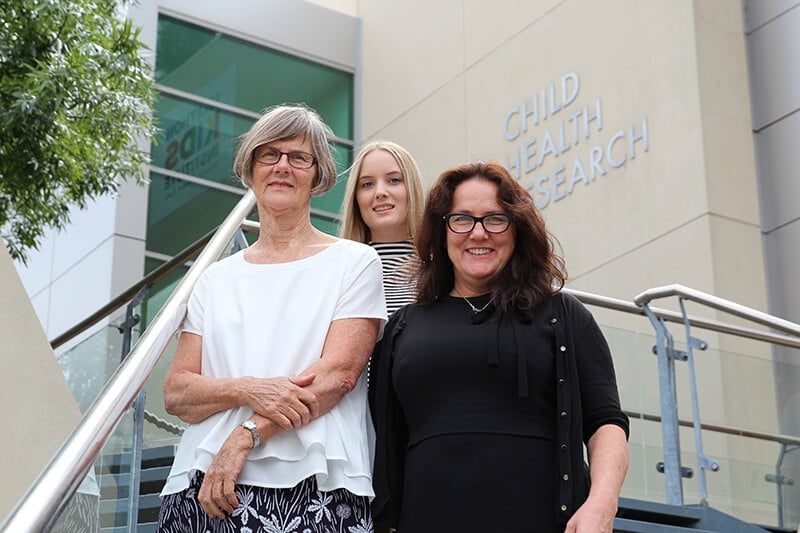
Nine out of ten incarcerated youth examined by The Kids researchers as part of a ground-breaking study had some form of neuro-disability.
Children who were born with reduced gestational age, birthweight, and birth length have persistently increased rates of infection-related admissions to hospital until age 18 years
Diabetes distress, self-efficacy and health literacy are associated with diabetes self-management and health outcomes. Measures of coping styles and their impact on diabetes self-management and diabetes-related distress may add value in identifying those at risk of poorer health outcomes. Current evidence of associations between psychological flexibility/inflexibility and diabetes related health outcomes is limited.
Respiratory viruses, particularly respiratory syncytial virus and human metapneumovirus, are major contributors to pneumonia in Australian children
A pre-emptive intervention for the autism spectrum disorder prodrome had no immediate treatment effect on early autism spectrum disorder symptoms
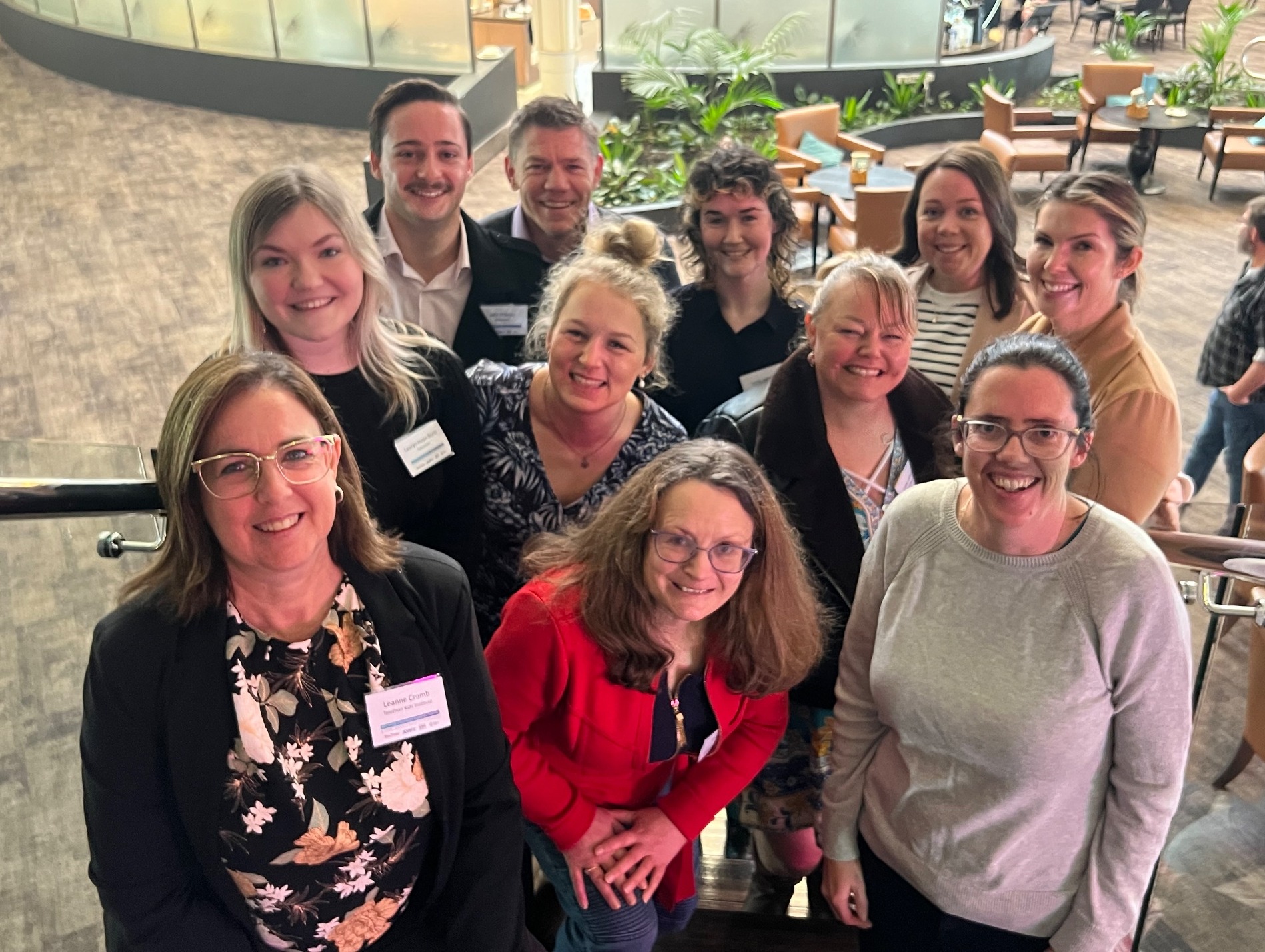
National committee members are a really important part of our research projects. Find out what they have been working on.
Professor Donna Cross and her team at The Kids Research Institute Australia have challenged and overturned damaging attitudes that saw bullying tolerated in childhood.

Professor Jonathan Carapetis AM, has been recognised as an outstanding member of the Greek diaspora in Australia for his longstanding excellence and leadership within the health and medical research sector.
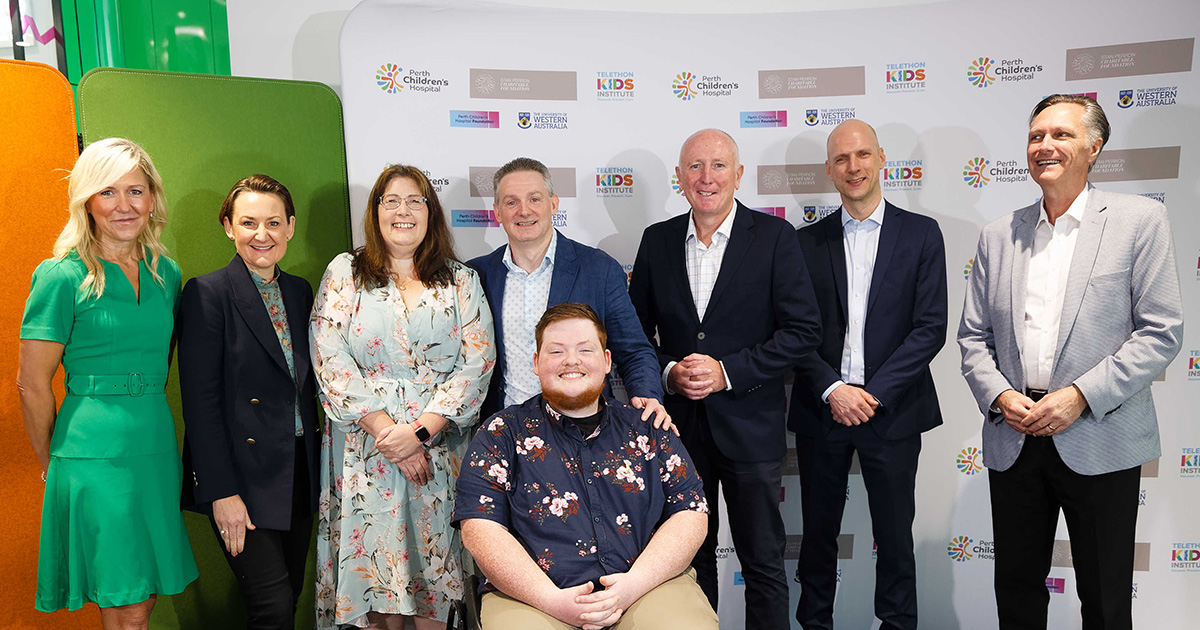
One of WA’s biggest ever philanthropic gifts will transform childhood cancer research and treatment by improving outcomes for children with cancer and discovering more effective and less toxic treatments.