
Search
Showing results for "Childhood interstitial lung disease "
Perth researchers are about to trial a new vaccine that aims to protect against all four strains of the potentially devastating Dengue Fever.
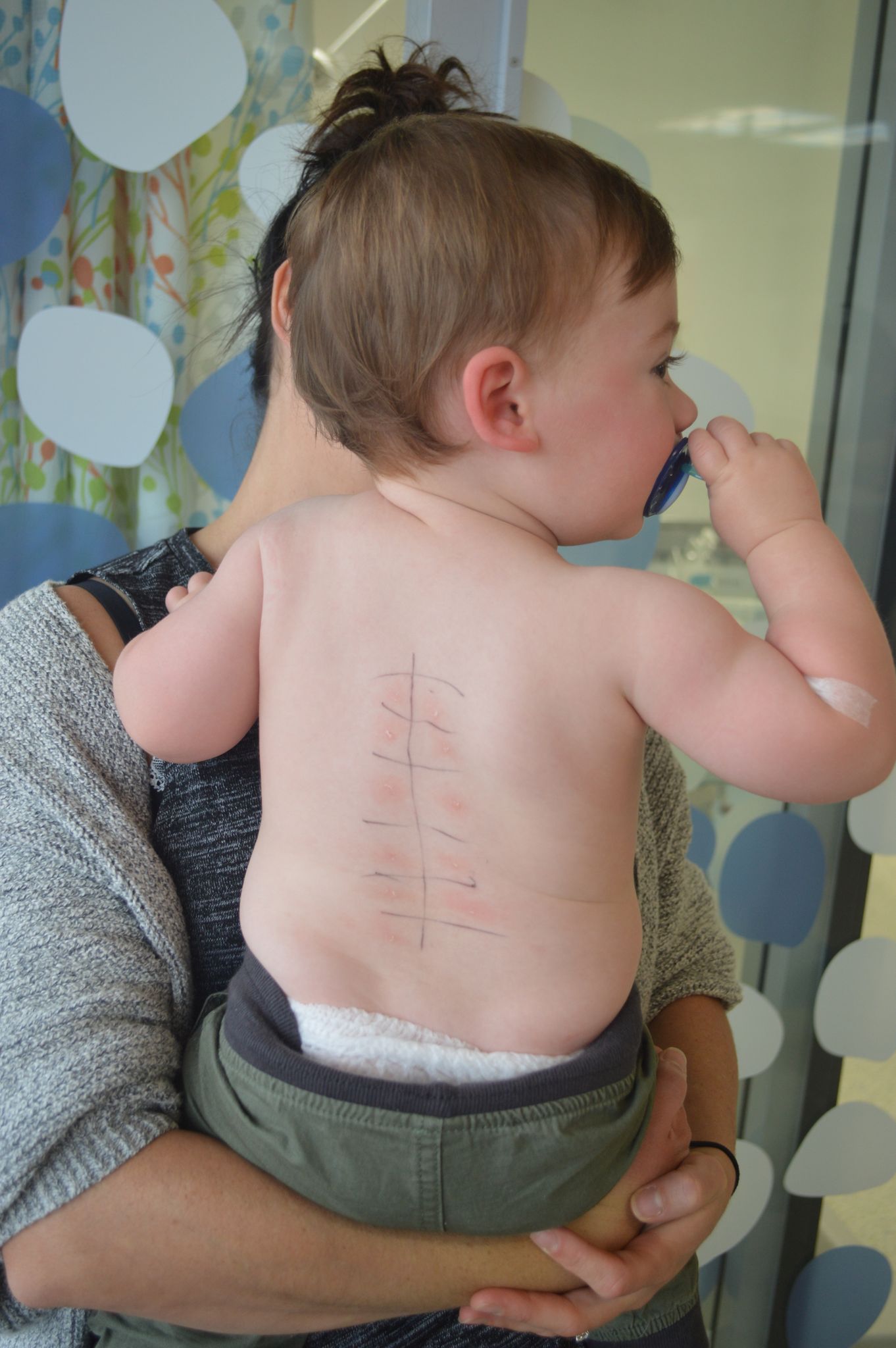
Comparing how mast cells are “programmed” in allergic and non-allergic children at one year of age.

Take a look at some of the published research to come out of the Children's Diabetes Centre recently.
Focusing on the developmental trajectories of respiratory health includes developing strategies to improve and support immune system function and development over the life course.
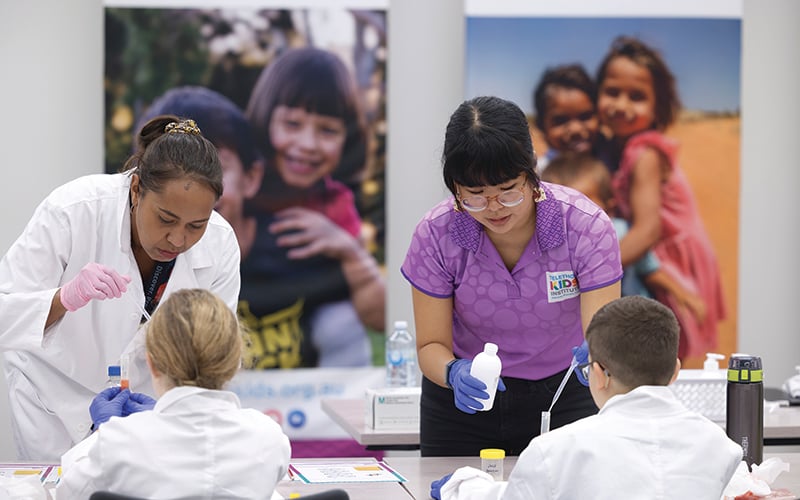
Strawberries, slime and sliced bread are being used as tools to educate and inspire the next generation of researchers, as part of the The Kids Discovery Centre Schools & Outreach Program.
Sometimes, there is an urgent need to administer inhaled adrenaline to children, awake, sedated or anaesthetised to treat asthma, bronchospasm, croup, and suspected laryngeal/pharyngeal oedema or stridor, which can become severe or even life-threatening. To better inform emergency dosing and administration guidelines, we aimed to quantify the amount of adrenaline delivered for inhalation from a nebuliser, in a simulated experimental delivery set-up for spontaneously breathing children and adults, either via an anaesthetic face mask, a Laryngeal Mask Airway or an Endotracheal tube.
Although clinical trials are fundamental to advancing evidence-based practice, significant heterogeneity in outcome reporting poses a considerable challenge to the validity of systematic reviews. This inconsistency impedes the ability to compare, synthesise and interpret research findings effectively. In the field of paediatric airway management, this issue is particularly relevant because of the low incidence of critical events and the related high morbidity and mortality. The issue of inadequate and variable outcome reporting in clinical trials has been widely acknowledged, necessitating initiatives to enhance the quality of future research.
Peri-operative respiratory adverse events remain a major cause of morbidity and mortality in children undergoing general anaesthesia; those with asthma are at higher risk. The aim of this feasibility study was to determine whether pre-operative measurements of fractional exhaled nitric oxide and the forced oscillation technique are feasible in children, and to explore whether these measurements can predict peri-operative respiratory adverse events.
Little evidence exists on the postoperative trajectory after paediatric orthopaedic surgery. Pain and behavioural disturbance can have short- and long-term impacts on children and their families. An improved understanding of procedure-specific postoperative trajectories can enhance recovery. The primary outcome was to examine the duration and severity of postoperative pain experienced by children undergoing 10 commonly performed orthopaedic procedures.
Pain is a common experience associated with healthcare for children, who often recall it as the worst part of hospitalisation. Several factors make assessment of pain more challenging in children. Families have previously identified the development of improved tools to assess pain in children as a key priority. We therefore sough to investigate the nature of this experience from the perspective of children and their parents to inform the development of such tools.