
Search
Showing results for "early lung health"
Increased safe sun exposure in winter therefore represents a plausible means of reducing fasting blood sugar in children with obesity
We examined uptake of inactivated influenza vaccination in pregnancy and report adverse birth outcomes amongst a predominantly unvaccinated group
Restricted antimicrobials acquired after-hours are not routinely antimicrobial stewardship adherent at the time of acquisition or the next standard working day
We therefore speculate that removal of wP from the vaccine schedule contributed to the observed rise in IgE-mediated food allergy among Australian infants
Dosing errors are the most commonly reported medication error in children. Dosing is often prescribed per weight or based on body area.
People with intellectual disability experience a greater risk of maltreatment than people without intellectual disability. Maltreatment by family members presents additional risks, including greater possibilities for concealment. This scoping reviewResults were summarized in both narrative and tabular formats summarizes extant knowledge about the familial maltreatment of people with intellectual disability and identifies gaps in the literature.
Approximately 8% of all children experience developmental and mental health conditions. Similarities in characteristics across neurodevelopmental conditions-such as difficulties in communication and language, social interaction, motor coordination, attention, activity regulation, behavior, mood, and sleep-make it challenging to attribute these characteristics exclusively to specific diagnoses and assessments. The purpose of this study was to identify symptomatic domains across neurodevelopmental conditions in children and to explore dimension reduction for transdiagnostic assessment.
The identification of reproducible subtypes within autistic populations is a priority research area in the context of neurodevelopment, to pave the way for identification of biomarkers and targeted treatment recommendations. Few previous studies have considered medical comorbidity alongside behavioural, cognitive, and psychiatric data in subgrouping analyses.

Tobias Jenny Strunk Mountain Other Investigators MD, PhD, FRACP MBA MClinEpi Head, Neonatal Health Program Manager, Neonatal Health / Protect Trial
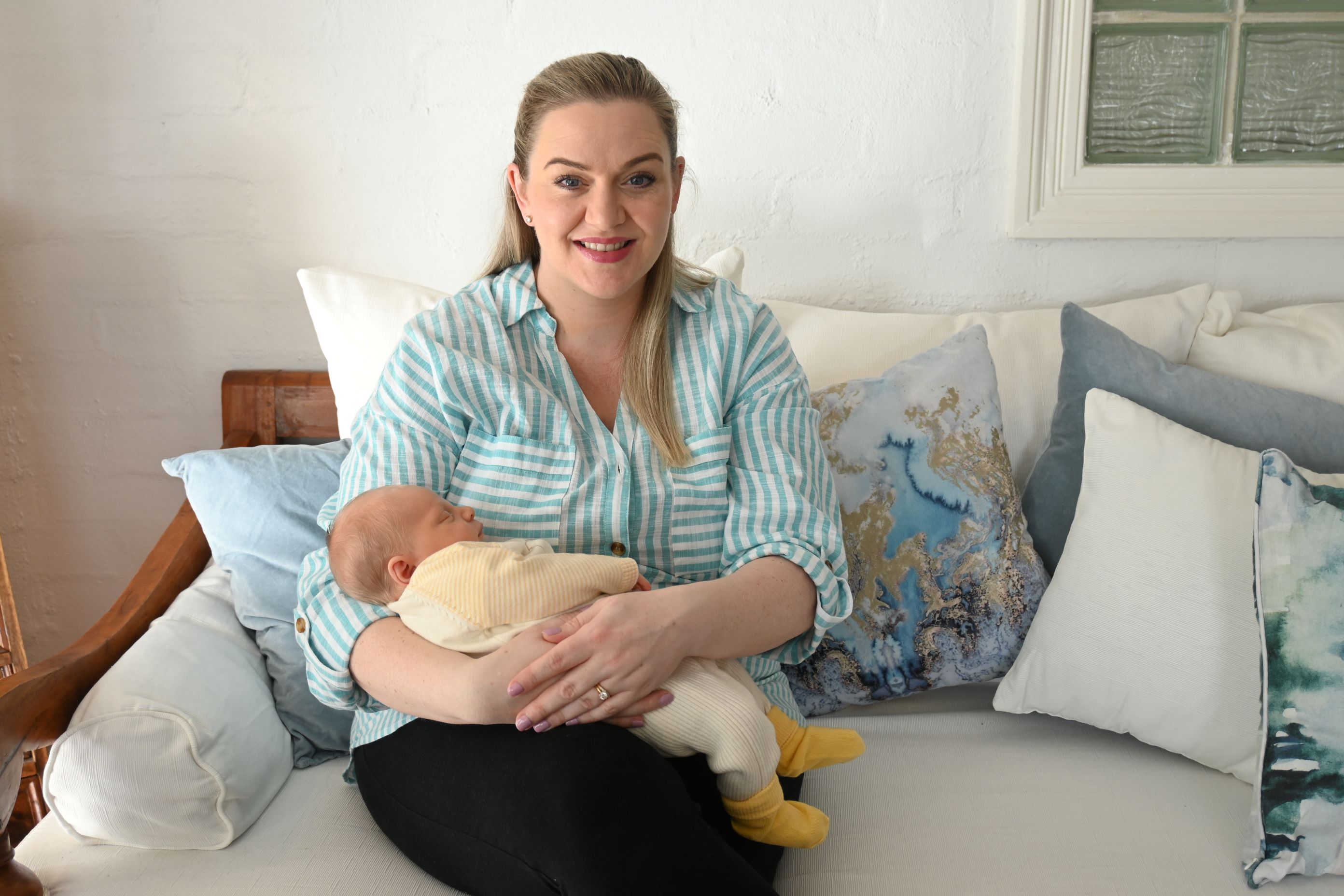
ORIGINS has welcomed its very last baby into the cohort