
Search
Showing results for "early childhood"

In 2010, a large number of children experienced febrile convulsions after receiving the FluVax vaccination and many parents began to question its safety.
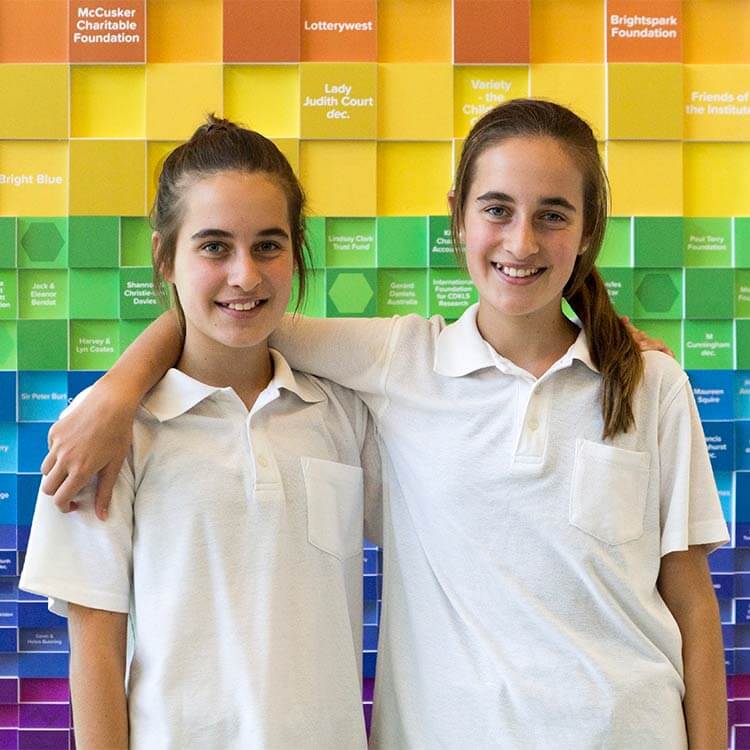
A world first study of language development in toddler twins confirms the widely held belief that twins start to talk later than single-born children.
On July 8, Professor Moira Clay will fly out to France and Italy as part of The Telethon Adventurers challenge to raise critical funds to assist researchers
Caesarean link to respiratory infections in babies
A new study has found that infectious diseases are the most common reason that children under two years of age are admitted to hospital.
High rates of recurrent infection are a major risk to the health of Aboriginal children and are comparable to those of third world countries.

There are many benefits to becoming a Supply Partner to the Institute that can help your business in a variety of ways.
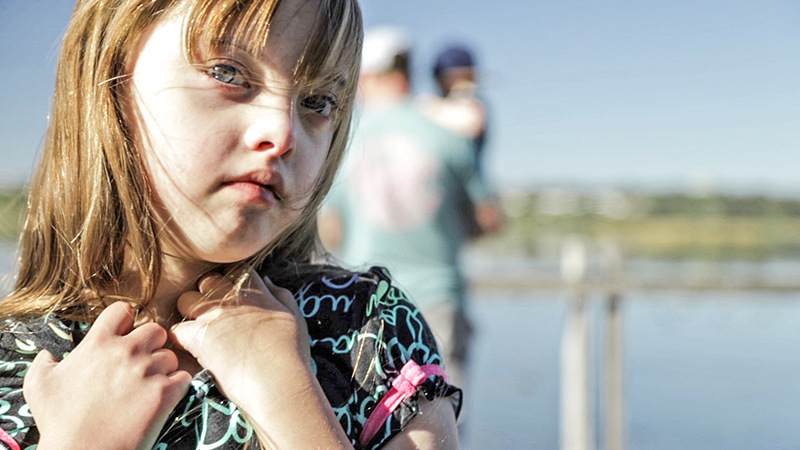
Eight-year-old Mikayla is the miracle child her parents never thought they would have. They’d tried for seven years to have a baby, and when Mikayla was finally born they couldn’t contain their excitement or pride. The fact she had Down syndrome was secondary.
Review and highlight of the significant advances made towards vaccine development and understanding of the immunology of otitis media
International guidelines recommend multidisciplinary intervention programs for addressing childhood obesity. In Western Australia, community-based healthy lifestyle programs for children and young people are insufficient for demand, especially for those over-represented in obesity statistics relating to prevalence. This protocol outlines the implementation and evaluation of an adapted, evidenced, community-based program in Perth, Western Australia.