
Search
Showing results for "mental health aboriginal"
Intellectual disability affects more than 1.5% of the population of children in developing countries yet we know little about the daily lives and support...
Our findings provide additional insight into the early clinical profile of Rett syndrome.
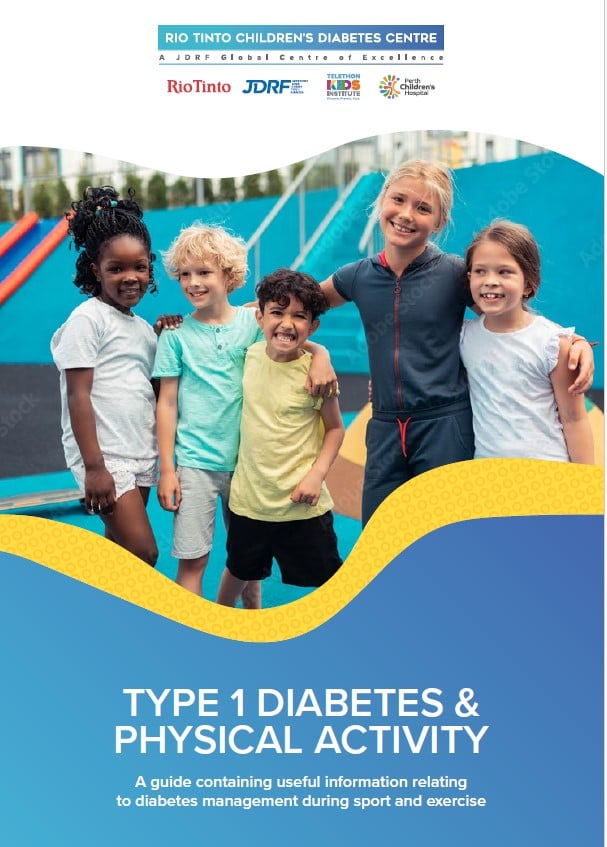
First-of-its-kind T1D sports resources have been designed to help coaches better understand the chronic condition and to encourage youth living with T1D to stay physically active.
Today, on World Autism Day, we embrace the theme Celebrating Differences, recognising the unique strengths, perspectives, and contributions of autistic individuals.
A broad range of interests characterized by unusual content and/or intensity, labeled as circumscribed interests are a core diagnostic feature of autism. Recent evidence suggests that a distinction can be drawn between interests that, although characterized by unusually high intensity and/or inflexibility, are otherwise common in terms of their content (e.g., an interest in movies or animals), labeled as restricted interests and interests that are generally not salient outside of autism (e.g., an interest in traffic lights or categorization), labeled as unusual interests.
Our research covers a broad range of areas from the influence of mutation type on health outcomes to factors impacting on the lives of familes.

Here we recognise donors who have made cumulative gifts of $10,000 and above to contribute to children's health research at The Kids Research Institute Australia.
AMR is a rapidly growing challenge and has been identified as one of the World Health Organizations top 10 global health threats, with the potential to undo many of the health gains observed over the last century.
This report and series of fact sheets explore findings from Waves 11 and 12 of the Footprints in Time, the Longitudinal Study of Indigenous Children.
Publications from 2016 dating back to 1993 of AussieRett researchers, showing the research work into Rett syndrome and related disorders.