
Search
Showing results for "clinical trials"
Major focus to establish functional assays for the validation of patient variant

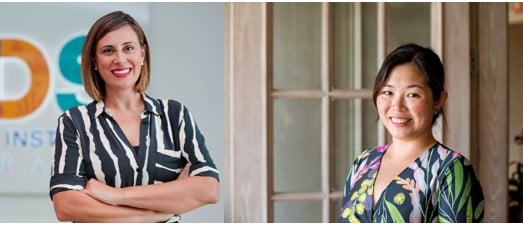
Welcome to Natalie and Linda who have joined the CliniKids team. The clinicians work between our Subiaco and Joondalup clinics.
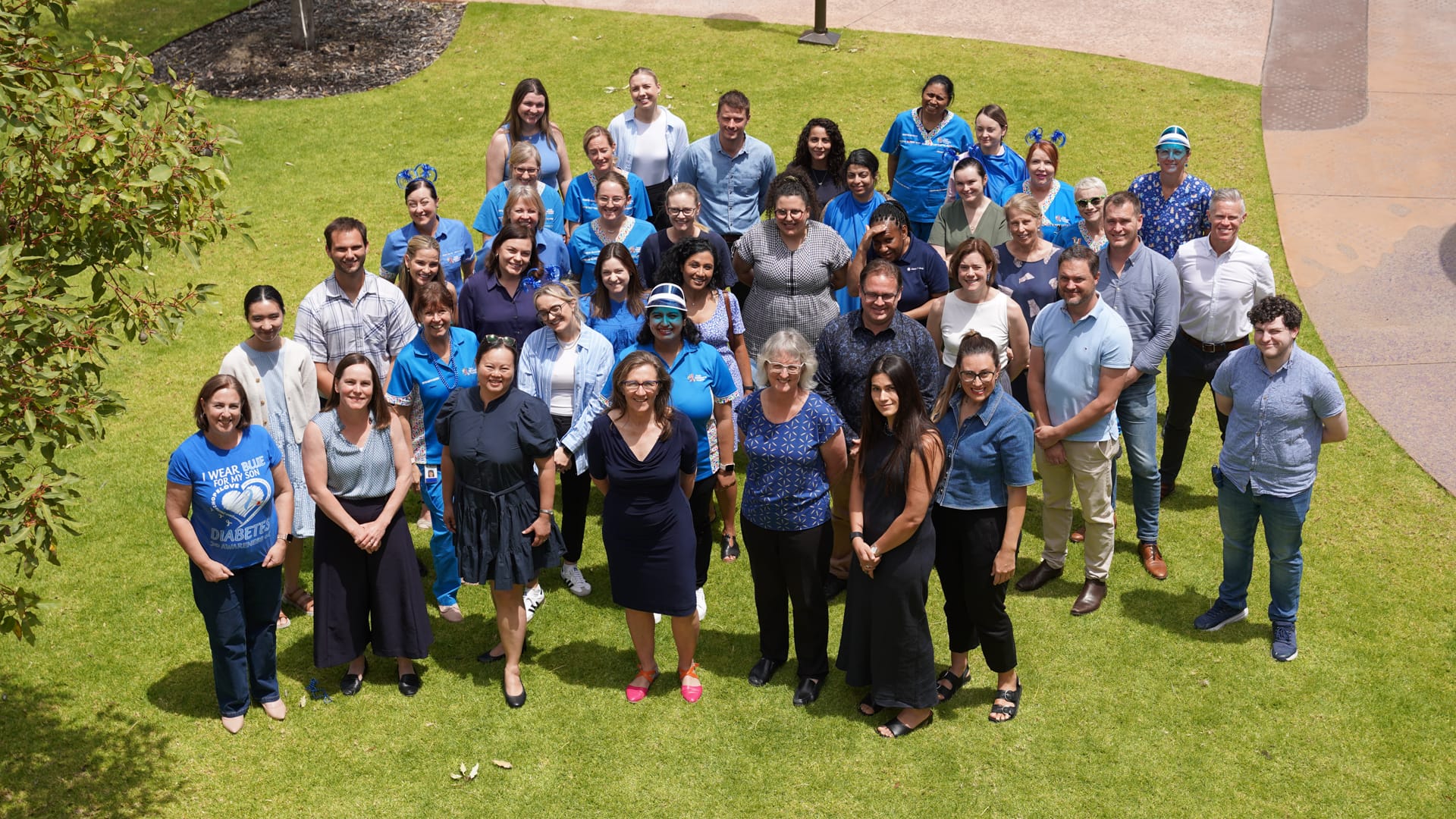
The Centre includes researchers at The Kids Research Institute Australia’s Diabetes Research Team and the Diabetes Service at the Perth Children’s Hospital.
PhD Scholarship opportunities The Rio Tinto Children’s Diabetes Centre; A JDRF Global Centre of Excellence, (“the Centre”) based at The Kids Research
The Rio Tinto Children's Diabetes Centre; a Breakthrough T1D Centre of Excellence is excited the announce the latest round of seed funding recipients.
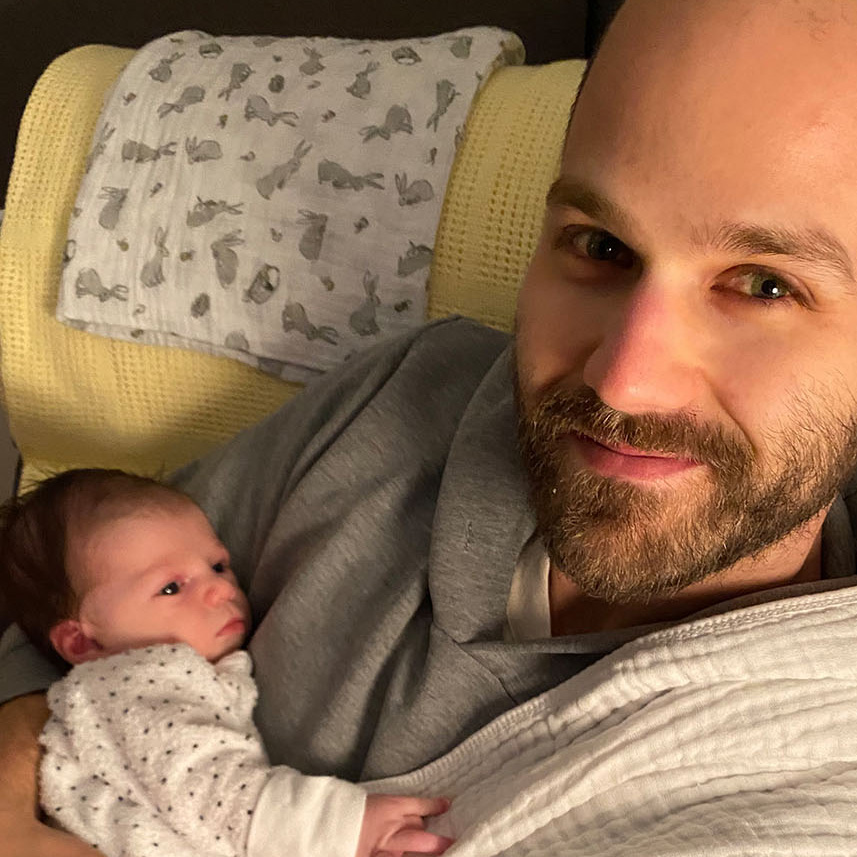
Australia’s biggest study into the causes of type 1 diabetes reached a significant milestone when its last Perth-based participant was born recently.
Children as young as six years old are being diagnosed with type 2 diabetes, according to Perth endocrinologists who are calling for early screening of at-risk groups.
After living in Perth for the past three years, Dr Marie-Anne Burckhardt has headed back home to continue her type 1 diabetes research.
André Schultz MBChB, PhD, FRACP Head, BREATH Team Head, BREATH Team Prof André Schultz is the Head, BREATH Team at The Kids Research Institute
Tick-associated diseases present challenges due to tridirectional interactions among host-specific responses, tick toxins and salivary proteins as well as microbes. We aimed to uncover molecular mechanisms in tick-bitten skin samples and contralateral skin samples collected simultaneously from the same participants, using spatial transcriptomics.