
Search
Showing results for "mental health aboriginal"
There is limited evidence on the impact of parental mental health problems on offspring’s educational outcomes. We investigated the impact of maternal anxiety and depressive symptoms, as well as paternal emotional problems on the educational outcomes of their adolescent and young adult offspring.
There are limited studies on the risk of depressive symptoms in adolescent offspring exposed to parental mental health problems in middle childhood. We investigated the association between parental mental health problems, particularly paternal emotional problems and maternal symptoms of anxiety and depression, and the risk of depressive symptoms in adolescent offspring aged 17.
With a focus on the microbiome as it pertains to mental health, we define environmental “grey space” and emphasize a new frontier involving bio-eco-psychological medicine
This paper explores the social and emotional wellbeing and mental health complexities for Western Australian adolescents when they transition to boarding school
This study aimed to elucidate how an adverse prenatal environment, as defined by the presence of a number of known prenatal risk factors, would influence...
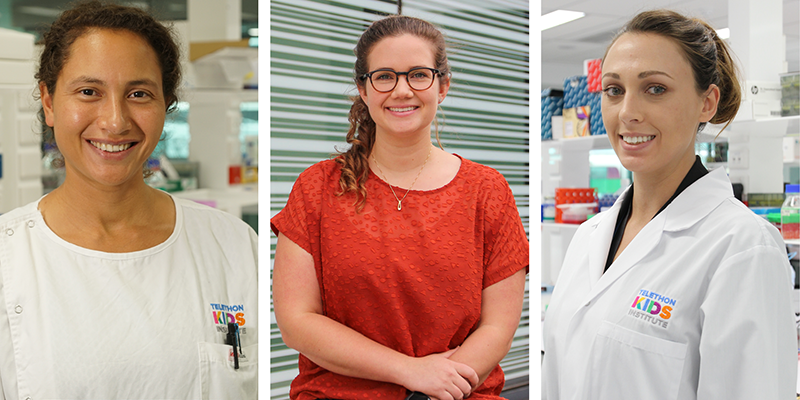
Three outstanding young researchers from The Kids Research Institute Australia have been named Raine Fellows and received valuable Raine Priming Grants to support their child health research.
We describe the application of a participatory action research methodology that is grounded in Aboriginal worldviews
Glenn Martyn Pearson Symons BA (Education) PhD Candidate B.A. (Hons) PhD. Director of First Nations Strategy and Leadership; Head, First Nations
This study aimed to examine the pattern of stillbirth and neonatal mortality rate disparities over time in Western Australia
Although Streptococcus pyogenes (Strep A) is the sixth-most common infectious disease globally, its transmission within the household remains an understudied driver of infection. We undertook a systematic review to better understand the transmission of Strep A among people within the home, while highlighting opportunities for prevention.