
Search
Showing results for "preterm birth lungs"
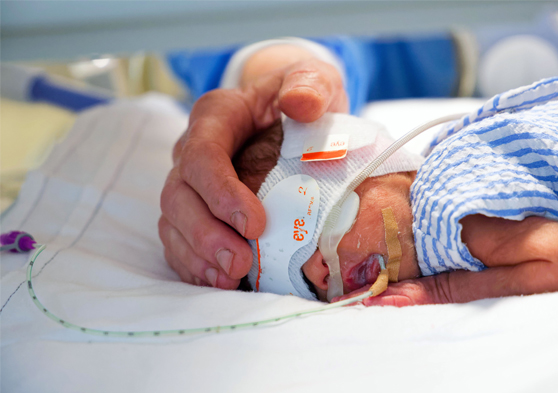
A sub-study is an ‘add-on’ study that helps to answer specific questions within a larger research project. If you decide to participate in the CIRCA DIEM study, you or your child may be invited to take part in one of the CIRCA DIEM sub-studies.
Intra-breath forced oscillation technique can identify healthy infants at risk of developing LRTI, wheezing or severe illness in the first year of life
A non-progressive motor disability due to damage of the developing brain, this is the most common physical disability in childhood. Affecting about one in 500 babies, it is frequently accompanied by other neurological impairments, such as intellectual or sensory.

As the Wal-yan Respiratory Research Centre turns two, the Centre celebrates its achievements and thanks everyone involved in the work of the Centre.
Respiratory syncytial virus (RSV) is a common, highly contagious virus that causes infections of the lungs and respiratory tract.
In infants and children with chronic respiratory disease, hypoxia is a potential risk of aircraft travel.
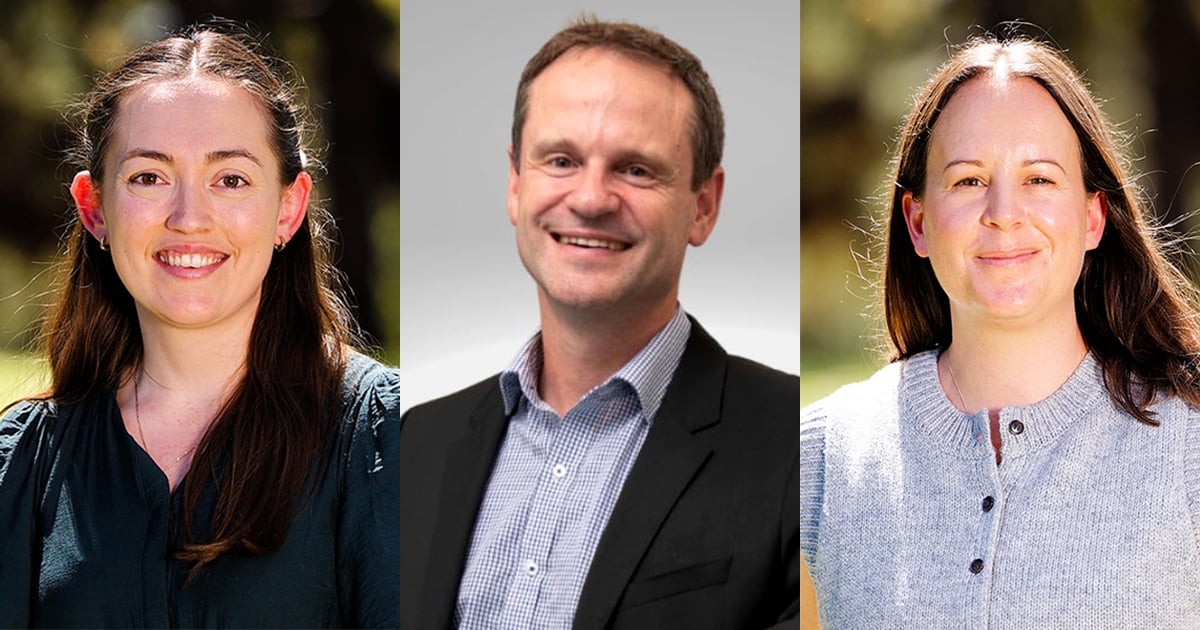
The Wal-yan Respiratory Research Centre is thrilled to see three researchers awarded prestigious Medical Research Future Fund (MRFF) Chronic Respiratory Conditions grants to improve lung health in children.
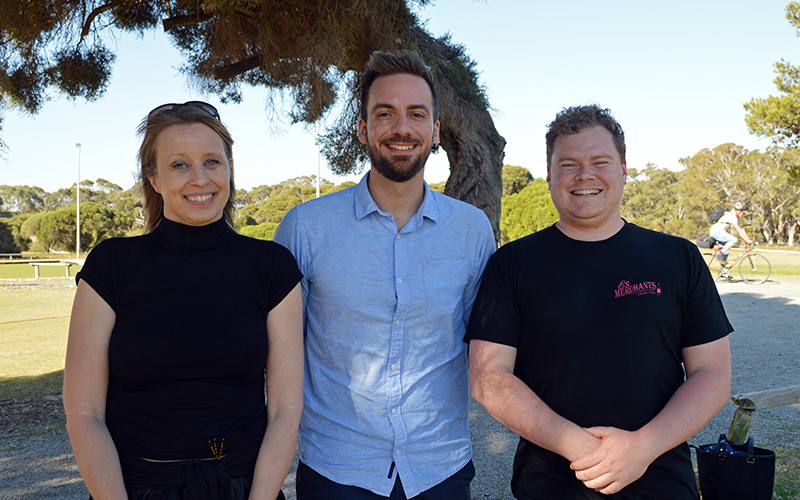
Congratulations to Dr Montgomery, Dr Iosifidis and Dr D’Vaz on winning the Wal-yan Centre's inaugural seed funding competition.

new research at The Kids Research Institute Australia will look at the diets of mums to see if regularly eating more eggs or peanuts during pregnancy and while breastfeeding

The important role of vitamin D in early development is the focus of research that has uncovered links between vitamin D levels and healthy growth of the baby d