
Search
Showing results for "clinical trials"

In 2017, a steep rise in cases of meningococcal disease caused by the W strain sparked a wave of concern for parents in Western Australia.
MEDIA ENQUIRIES Discover. Prevent. Cure. Mailing list Media contacts About The Kids Be Inspired Please direct general enquiries to our reception on (
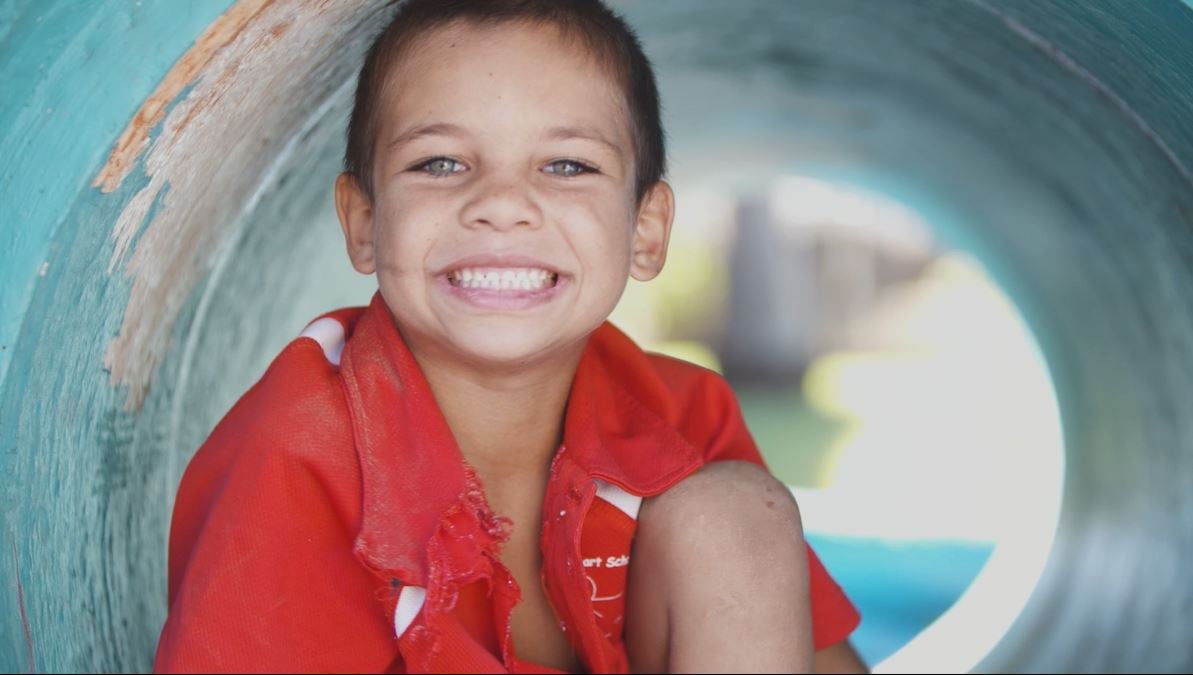
Researchers from The Kids Research Institute Australia are joining forces with international experts in acute rheumatic fever (ARF) and rheumatic heart disease (RHD) to transform the diagnosis of these diseases thanks to an $US8 million grant from the Leducq Foundation.
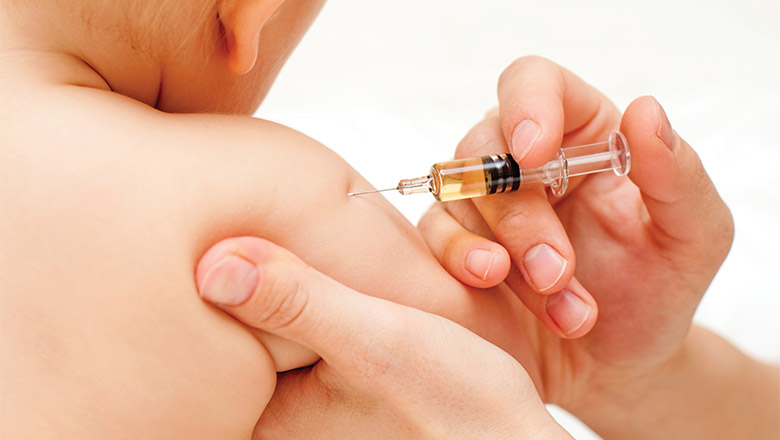
Parents of babies in Perth and Adelaide are being urged to take part in a landmark study to examine the best ways to keep their child safe from influenza this winter, amid a surge in serious infections.

A first-of-its-kind national study looking at the optimal COVID-19 vaccination strategies for children and adolescents is set to begin at Perth’s The Kids Research Institute Australia thanks to a $3.8 million funding injection from the Australian Government’s Medical Research Future Fund (MRFF).

Eight The Kids Research Institute Australia researchers are among those who have received grant funding from the Telethon-Perth Children’s Hospital Research Fund (TPCHRF).
The U-PART intervention was found to be feasible and effective in the short term in girls and women with Rett Syndrome
Strategies to address reasons for and treatment of chronic wet cough and protracted bacterial bronchitis in young Aboriginal children in remote north Western Australia are required
Results highlight the need for a culturally appropriate information and education of the importance of chronic wet cough in children
The risk of intellectual disability was increased in children born after assisted reproductive technology in Western Australia from 1994 to 2002