
Search
Showing results for "clinical trials"
Menstruation can be complex and challenging to manage, including for those with intellectual disability. People with intellectual disability experience additional barriers that prevent adequate access to information and support. Parents play an important role in supporting young people with intellectual disability with menstruation.
There is currently limited data regarding the physical activity behaviors of trans and gender diverse people (including binary and non-binary identities; henceforth trans). The aim of this review was to synthesize the existing literature in this area, with a focus on physical activity behaviors as they relate to health (e.g. health benefits, risks of adverse health outcomes).
The physical health comorbidities and premature mortality experienced by people with mental illness has led to an increase in exercise services embedded as part of standard care in hospital-based mental health services. Despite the increase in access to exercise services for people experiencing mental illness, there is currently a lack of guidelines on the assessment and triage of patients into exercise therapy.
The Wesfarmers Centre is pleased to announce the 4 successful applications for the 2016 Round 1 Wesfarmers Centre Seed Funding.
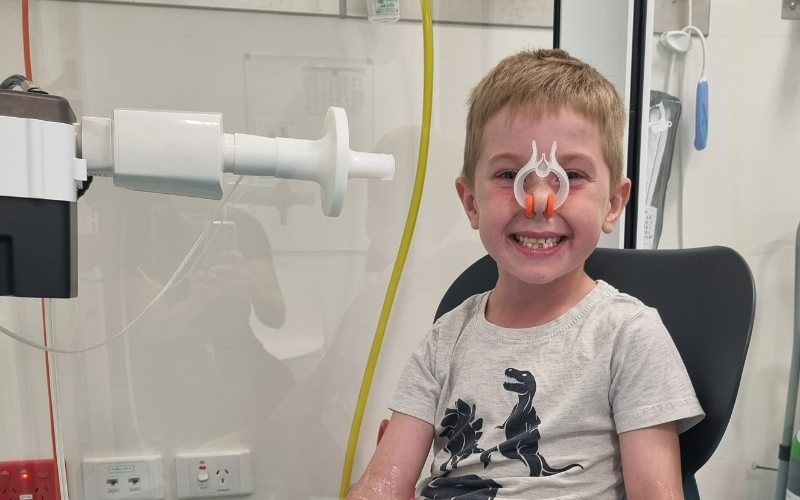
A new study to determine if it’s safe for children who were born preterm to attend day care officially commenced this month.
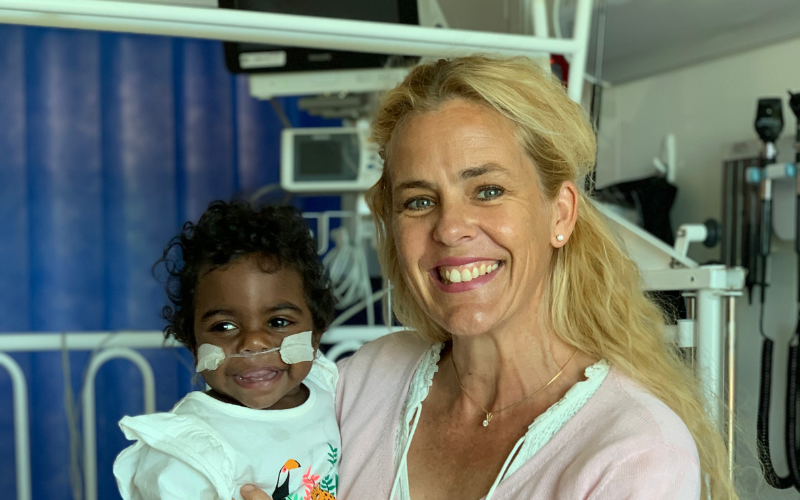
A co-designed and culturally secure intervention to improve medical follow-up for Aboriginal children hospitalised with acute chest infections resulted in higher follow-up rates and improved longer-term lung health outcomes for children.
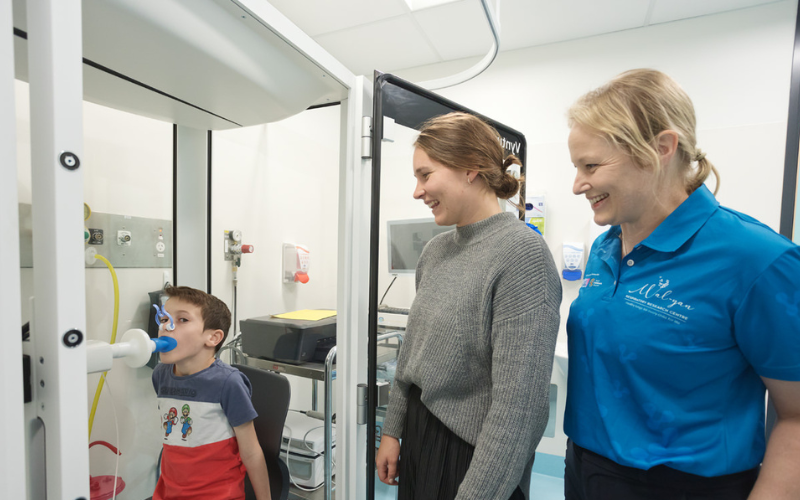
A new study has found a common asthma drug is effective for some very premature babies who go on to suffer from lung complications.
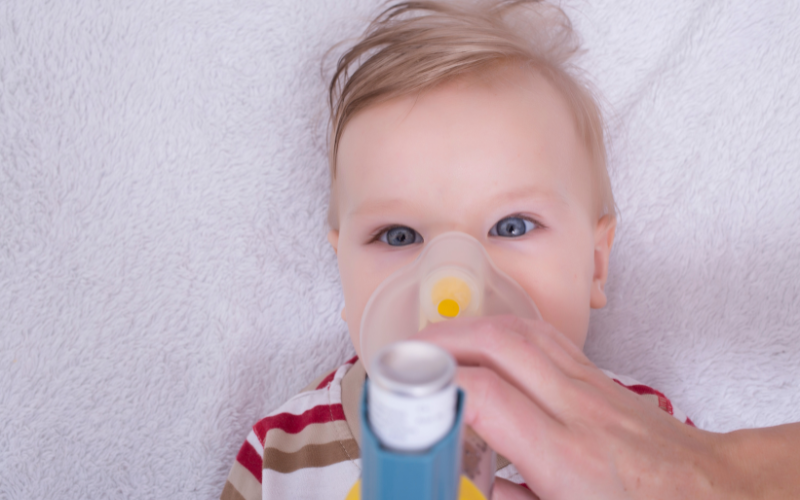
The study found the rare immune cells, known as plasmacytoid dendritic cells, showed clear signs of activation and virus defence in children with transient wheeze, whereas in children with persistent wheeze the same immune cells showed very limited activation without any signs of virus defence.

Our researchers are trying to learn more about the effect different types of food have on blood glucose levels and how to give the best insulin dose to manage a variety of foods.
We aimed to research relationships between 25(OH)D levels from birth to 10 y/o and susceptibility to allergic sensitization, respiratory issues and asthma.