
Search
Showing results for "clinical trials"
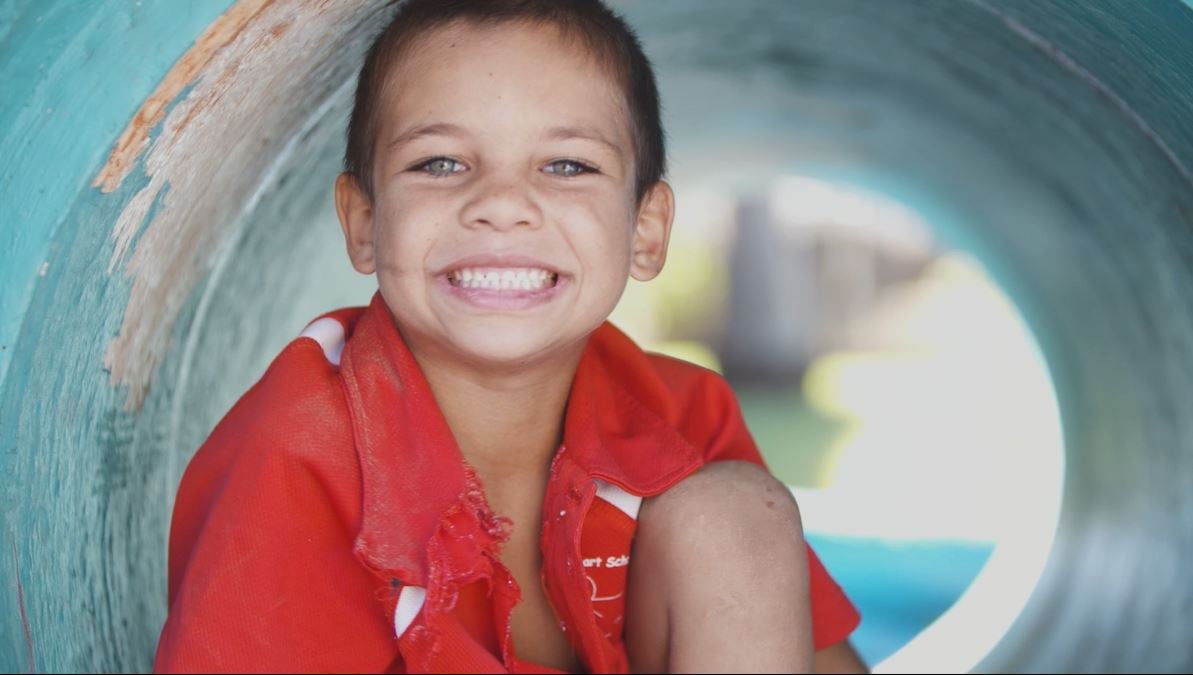
Researchers from The Kids Research Institute Australia are joining forces with international experts in acute rheumatic fever (ARF) and rheumatic heart disease (RHD) to transform the diagnosis of these diseases thanks to an $US8 million grant from the Leducq Foundation.
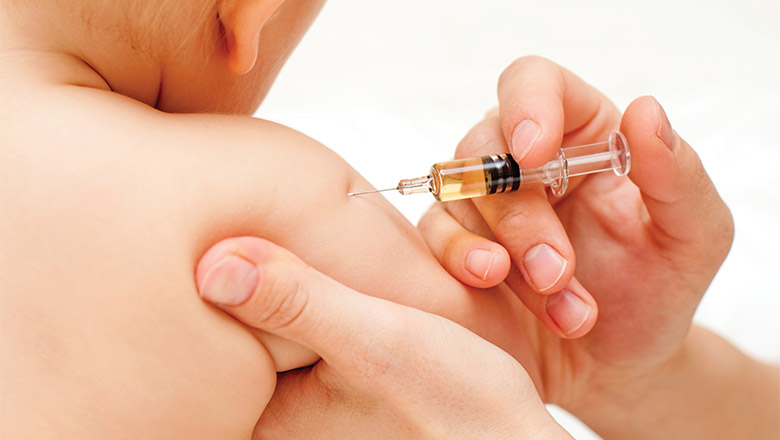
Parents of babies in Perth and Adelaide are being urged to take part in a landmark study to examine the best ways to keep their child safe from influenza this winter, amid a surge in serious infections.

A first-of-its-kind national study looking at the optimal COVID-19 vaccination strategies for children and adolescents is set to begin at Perth’s The Kids Research Institute Australia thanks to a $3.8 million funding injection from the Australian Government’s Medical Research Future Fund (MRFF).

Eight The Kids Research Institute Australia researchers are among those who have received grant funding from the Telethon-Perth Children’s Hospital Research Fund (TPCHRF).
Help us discover a way to expand protection for the next generation.
Coming up in 2021 We have a a study to suit every age range in 2021! From babies at just six weeks for the FluBub Study, through to teenagers in
A better understanding of nutritional programming of immune health may lead to dietary strategies that reduce the burden of many inflammatory diseases
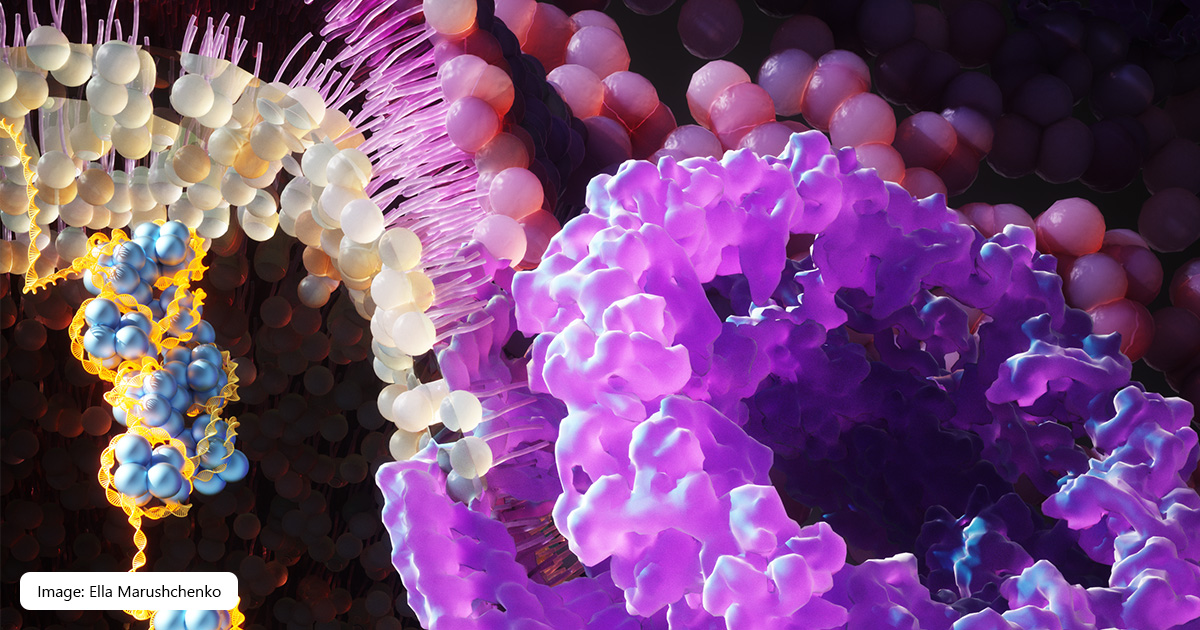
Australian researchers have developed a new method to ‘wipe the memory’ of reprogrammed human cells to better mimic embryonic stem cells, in a discovery that has significant implications for the treatment of several serious diseases.

The urgency for a world-first respiratory syncytial virus vaccine is at an all-time high.
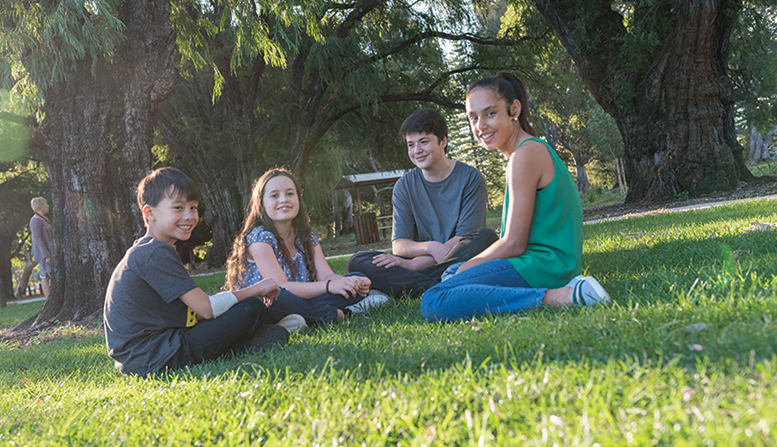
Flat out trying hard to keep up with the ever-changing threats from cyberbullying, The Kids Research Institute Australia counts itself fortunate to have youth on its side.