
Honorary Research Associate
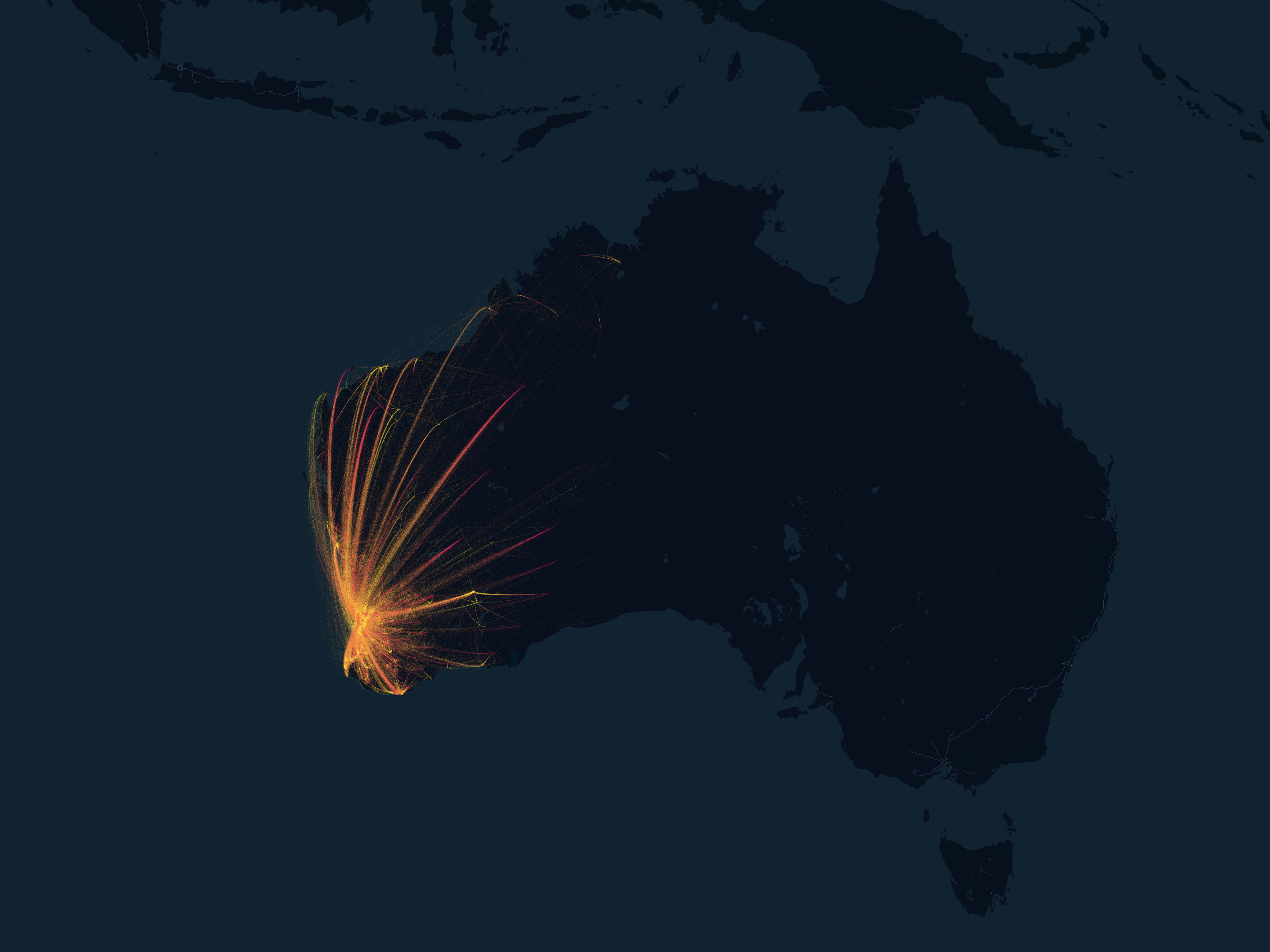
Researchers have developed a new model for simulating covid-19 outbreaks in Western Australia.
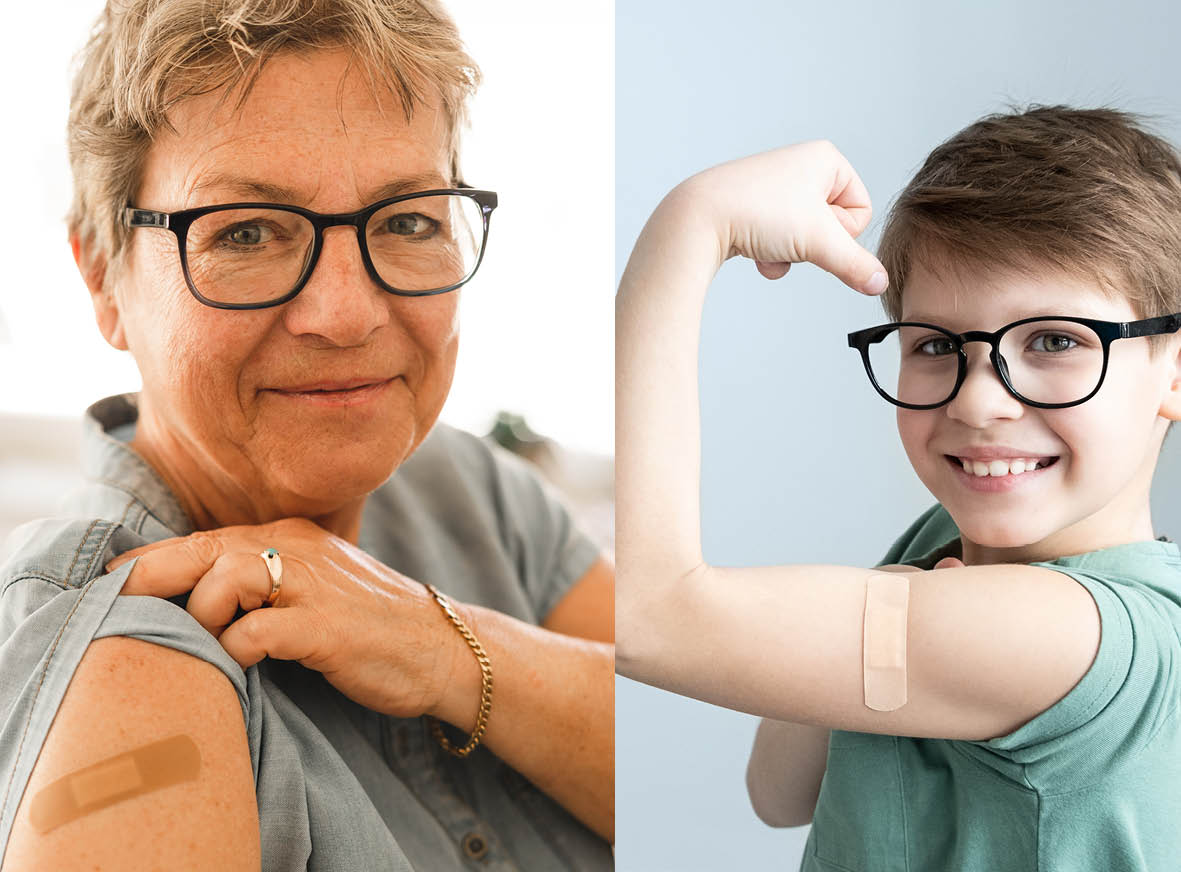
Optimising our national Covid-19 vaccine program could be one step closer thanks to new research now underway at The Kids Research Institute Australi…
Recently, we identified a Staphylococcus aureus sequence type 5 (ST5) clone in northern Australia with discrepant trimethoprim-sulfamethoxazole (SXT)…
Impetigo, a bacterial infection caused by Streptococcus pyogenes and S. aureus of the superficial dermis affects up to 162 million children at any on…
The biological determinants of the response to immune checkpoint blockade (ICB) in cancer remain incompletely understood. Little is known about dynam…
This chapter outlines the evidence and evolution of RHD control programs and draws conclusions about priorities following the 2018 World Health Organ…
This study aimed to define the active ingredients of a participation-focused physical activity intervention for children and youth with disabilities.