
Search
Showing results for "clinical trials"
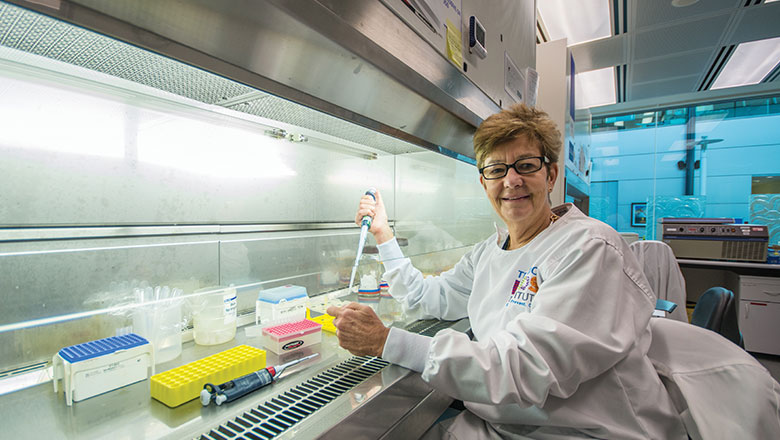
The D-Light program, set up in 2014, aims to shed light on the amount of sun exposure that will promote good health in children and adolescents.
A new study has confirmed the changing pattern of meningococcal disease in Western Australia.
The Early Human Capability Index is a holistic measure intended to capture early child development across diverse cultures and contexts.
Children and young people with type 1 diabetes (T1D) experience high rates of mental ill health and stress due to the emotional and cognitive energy required to manage their condition. Our team has codesigned Wellbeing T1D, a brief trauma-informed online intervention for adolescents living with T1D. This 5-week intervention will teach skills to promote problem solving, improve emotional regulation and promote helpful thinking and coping.
Participation in sport is associated with a range of physical, psychological, and social benefits. However, children in out-of-home care face complex barriers to sport participation, with lower participation rates than children in other household arrangements.
Children in out-of-home care participate in less organised sport than children from other household structures, potentially reducing opportunities for improvements in social, developmental, and health outcomes. Despite this, little is known about barriers and facilitators of sport participation for children in care. We aimed to explore carers' perspectives on the influences on children in care's participation and experiences in organised sport.
Type 1 Diabetes (T1D) is a 'family illness'; diagnoses and management can be perceived as invasive or traumatic. Caregivers bear the brunt of the diagnostic shock, influencing their child's experience. Children and adolescents may grapple with the psychological effects of past/ongoing medical trauma. Additionally, adolescents may struggle with their mental health as they navigate tensions between caregiver involvement and their developmental need for autonomy.
Mesothelioma is a cancer derived from mesothelial cells, most commonly arising from the pleura or the peritoneum. Immune checkpoint therapy (ICT) has shown survival benefit for pleural mesothelioma, but little is known about the response in peritoneal mesothelioma. Most preclinical mesothelioma models involve subcutaneous cancer cell implantation, which lacks the relevant tumour microenvironment of peritoneal mesothelioma and does not resemble the clinical presentation.
International guidelines recommend multidisciplinary intervention programs for addressing childhood obesity. In Western Australia, community-based healthy lifestyle programs for children and young people are insufficient for demand, especially for those over-represented in obesity statistics relating to prevalence. This protocol outlines the implementation and evaluation of an adapted, evidenced, community-based program in Perth, Western Australia.
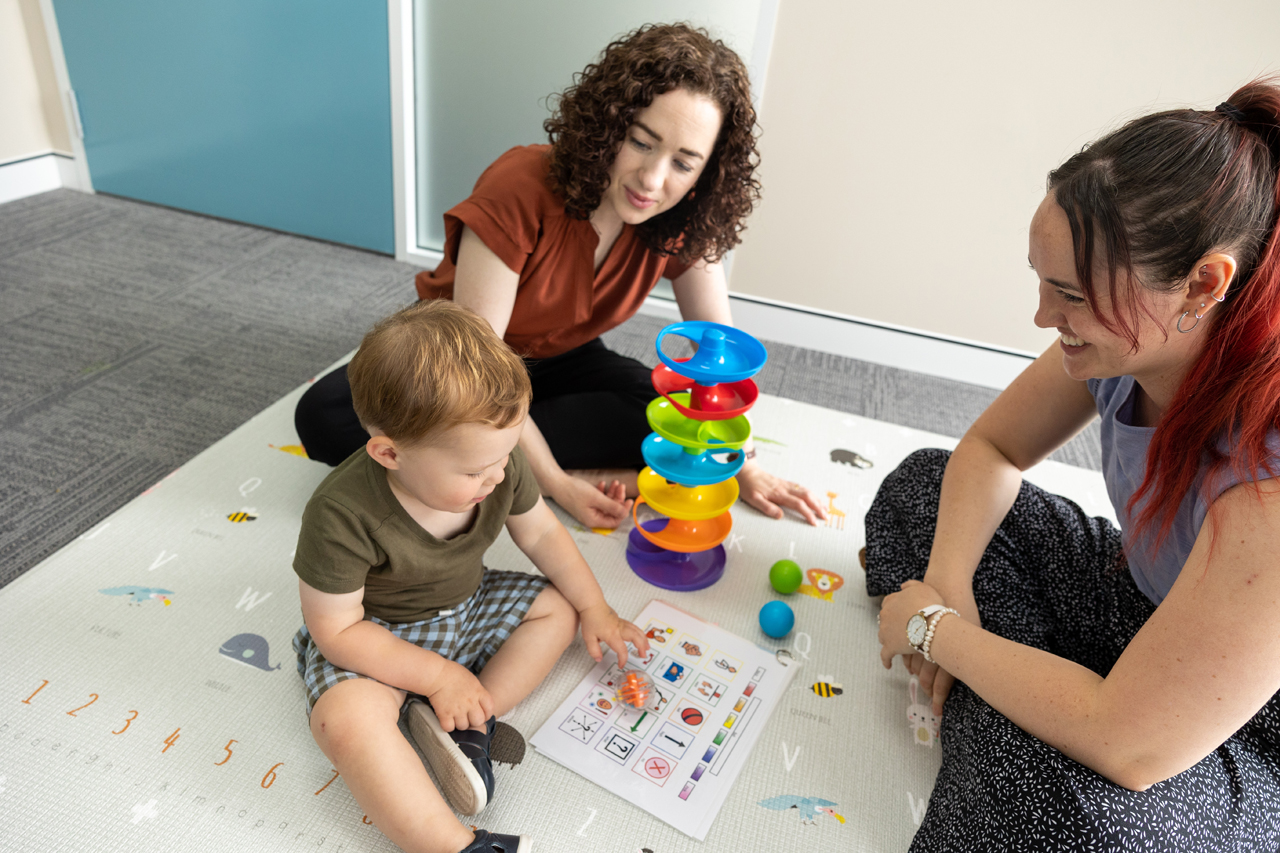
In this blog, you can read about one of the most common tools used in the autism diagnostic process – the Autism Diagnostic Observation Schedule.