
Search
Showing results for "mental health aboriginal"

Research Assistant PLAYCE
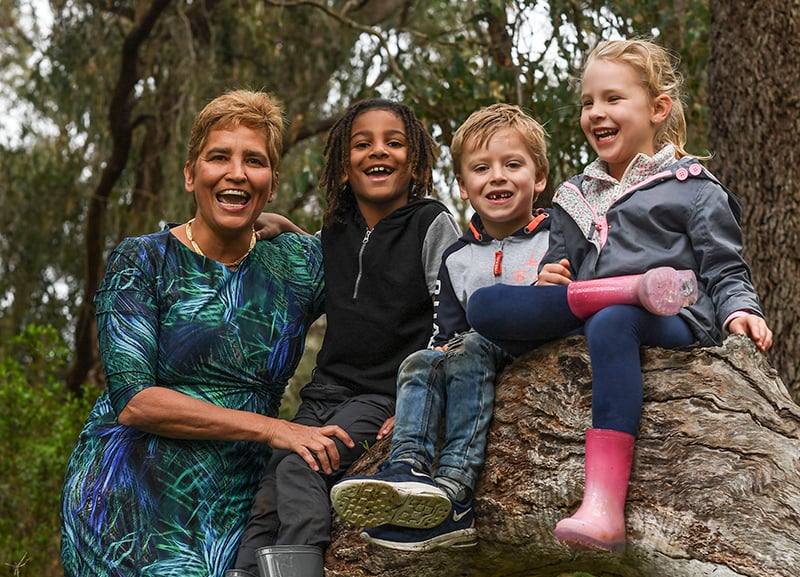
ORIGINS is investigating the influence of nature, from pregnancy through the early years of childhood and its impact on later health, as part of the nature relatedness study.
Social emotional development is imperative to young children's long-term psychological and physical health. Physical activity (PA) may be important for young children's social emotional development. The association between preschooler PA duration and intensity and social emotional development was investigated.

Recent changes to private health insurance policies are a timely reminder to check your level of cover, especially for those undergoing pump therapy.
A wide spectrum of high-risk factors in pregnancy can lead to adverse pregnancy outcomes or short- or long-term health effects. Despite this, there has been no synthesis of findings on the measurement, potential causes, and health outcomes of multiple high-risk factors in pregnancy. We aimed to address this gap by summarising the existing research on this topic.
In 2019, the World Health Organization (WHO) flagged vaccine hesitancy as one of the top 10 threats to global health. The drivers of and barriers to under-vaccination include logistics (access to and awareness of affordable vaccines), as well as a complex mix of psychological, social, political, and cultural factors.

Honorary Health Professional/Research Associate
Stopping Acute Rheumatic Fever Infections to Strengthen Health
School-based nutrition education (NE) has an important role in promoting healthy eating habits and helping prevent chronic diseases – particularly among disadvantaged children and youth who are more likely to experience poor diet quality.
Multidisciplinary partnership models are important in the development of health promotion mobile applications