
Search
Showing results for "clinical trials"
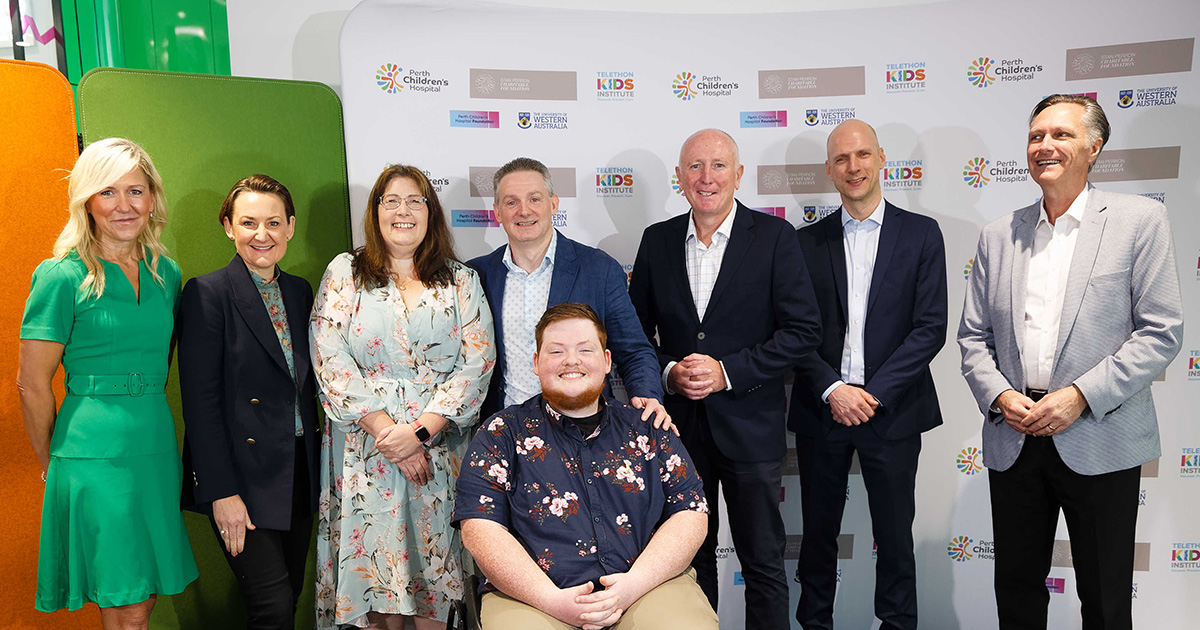
One of WA’s biggest ever philanthropic gifts will transform childhood cancer research and treatment by improving outcomes for children with cancer and discovering more effective and less toxic treatments.
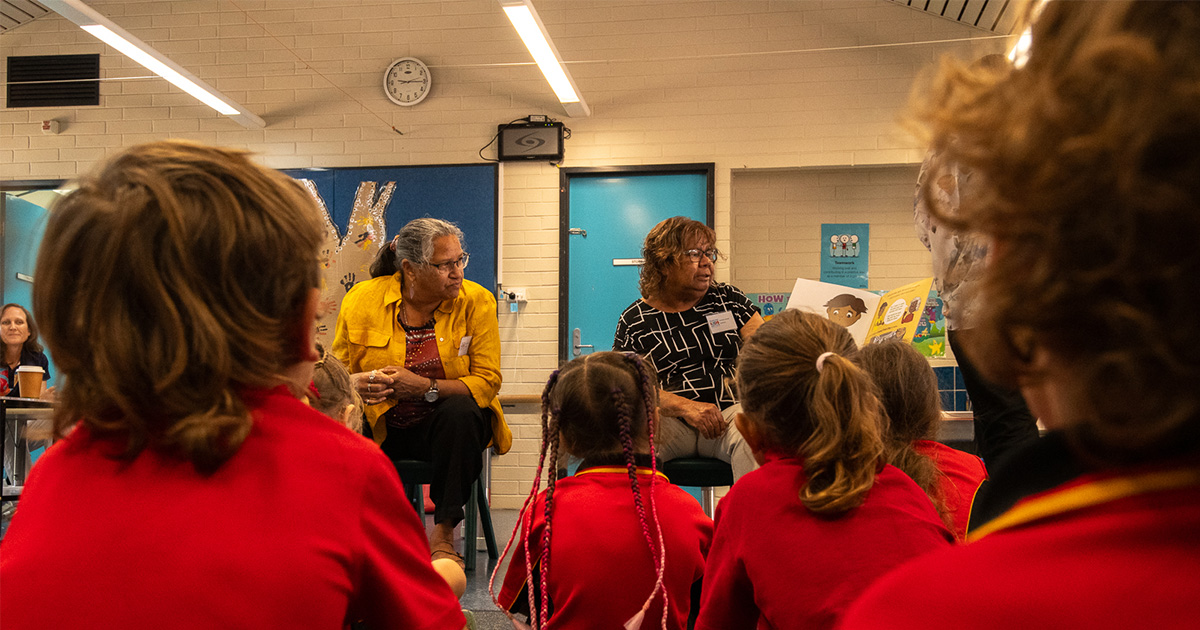
A children’s book – written by community, for community – has been launched in Western Australia’s south-west to help children and families understand more about one of the most common inflammatory skin conditions in children.

Prof Jonathan Carapetis has been elected as a new Fellow of the prestigious Australian Academy of Science in recognition of his pioneering, paradigm-shifting expertise in infectious diseases.
We know that sport, when the appropriate environment is provided, can be an enriching experience for children – with many physical and mental health benefits.
Postvention is a core component of suicide prevention strategies, internationally. However, the types of supports provided to people impacted by suicide vary widely. This study examines the perceived effectiveness of the Primary Care Navigator (PCN) model for people bereaved by suicide. The PCN model was implemented in response to a suicide cluster.

Dear families, As cases of Covid-19 increase here in Western Australia, we are working closely with our colleagues in general paediatrics to prepare
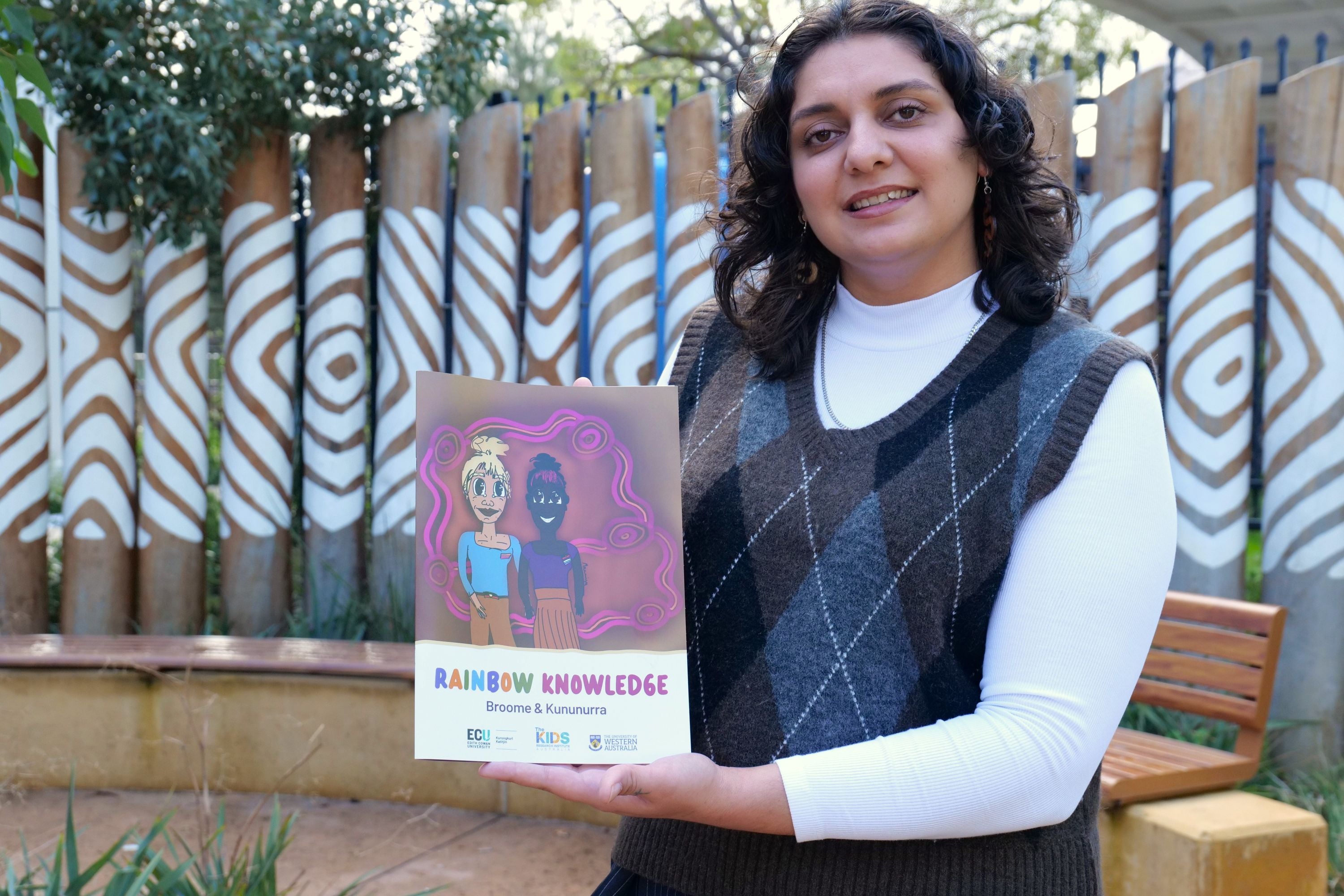
Walkern Katatdjin's Lily Hayward was the report's lead author.

Four The Kids Research Institute Australia researchers have been awarded $8.8 million in prestigious Investigator Grants from the National Health and Medical Research Council to pursue innovative child health research focused on autism, childhood cancer, skin health, and Aboriginal genomics.
Experiencing a traumatic event can significantly impact mental and emotional well-being. Social media platforms offer spaces for sharing stories, seeking support, and accessing psychoeducation. TikTok (ByteDance), a rapidly growing social media platform, is increasingly used for advice, validation, and information, although the content of this requires further study.
Both the Nature play and fundamental movement skills professional development programs were effective in improving educators’ self-efficacy to engage children