
Search
Showing results for "early lung health"
Malaria imposes a significant global health burden and remains a major cause of child mortality in sub-Saharan Africa. In many countries, malaria transmission varies seasonally. The use of seasonally-deployed interventions is expanding, and the effectiveness of these control measures hinges on quantitative and geographically-specific characterisations of malaria seasonality.
An interseasonal resurgence of respiratory syncytial virus (RSV) was observed in Western Australia at the end of 2020. Our previous report describing this resurgence compared the 2019 and 2020 calendar years, capturing only part of the 2020/21 season.
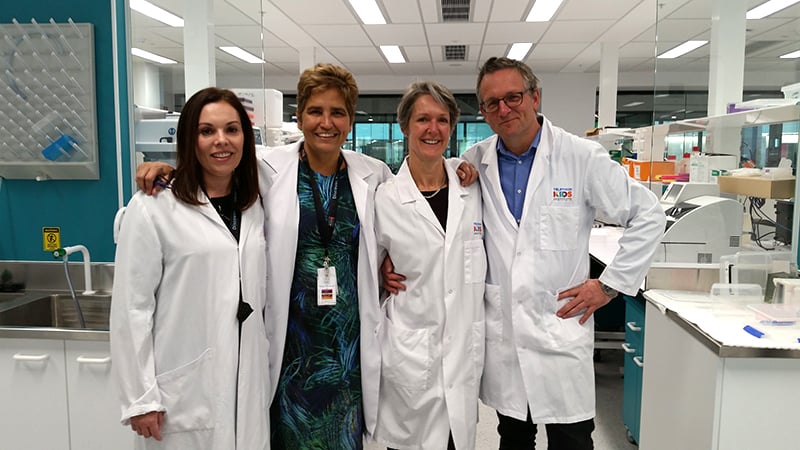
Dr Michael Mosley recently visited The Kids Research Institute Australia to talk about DOHaD and the importance of good gut health.
Given the beneficial effect of infant rotavirus vaccination efforts should be taken to optimize rotavirus vaccine coverage in those at highest risk
Consumption of a Mediterranean diet (MD) has been associated with reduced incidence of non-communicable diseases and reduced overall mortality, with epigenomic effects representing plausible mediators. The aim of this pilot study was to explore potential epigenetic associations between DNA methylation markers in blood and adherence to an MD in pregnancy.
Children globally have been profoundly impacted by the coronavirus disease 2019 (COVID-19) pandemic. This review explores the direct and indirect public health impacts of COVID-19 on children. We discuss in detail the transmission dynamics, vaccination strategies and, importantly, the ‘shadow pandemic’, encompassing underappreciated indirect impacts of the pandemic on children.
The Australian National Healthy Skin Guideline summarises evidence-based treatment of impetigo, scabies and fungal infections in high burden settings
Acute lower respiratory infections (ALRI) are a major cause of hospitalisation in young children
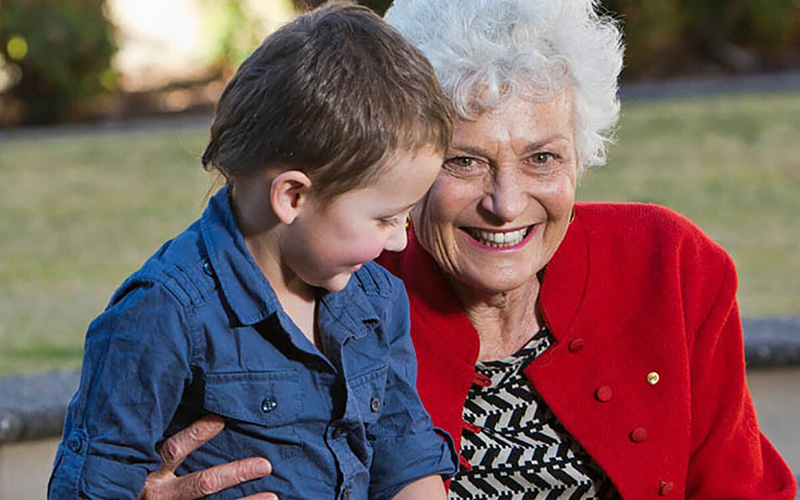
This opinion article was originally published in the West Australian on July 20, 2023.
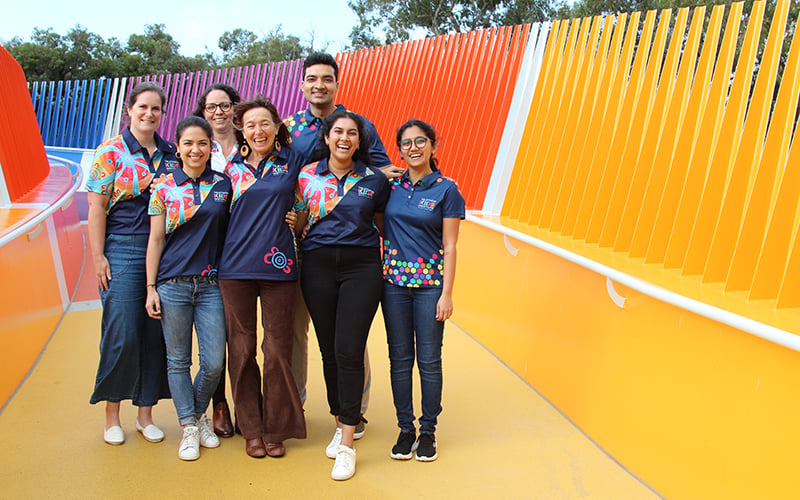
In celebration of World Breastfeeding Week (1 – 7 August), we sat down with Professor Valerie Verhasselt to ask her some of the top questions about breastfeeding and immunology.