
Search
Showing results for "mental health aboriginal"
Canada, Australia, the World Health Organization and other countries have released 24-hour movement guidelines for the early years which integrate physical activity, sedentary behaviour, and sleep, focusing on supporting children to achieve a healthy 24-hour day. The guideline evidence synthesis, however, highlighted the dearth of high-quality evidence, particularly from large-scale studies.
Improving nutrition and physical activity is a global health priority. Within Cochrane’s new production model, Thematic Groups (TG) with specialist content and review methods expertise have been established. The purpose of TGs is to support the development and dissemination of high-quality evidence syntheses on priority issues.
Natural outdoor environments such as green and blue spaces have increasingly been seen as key health and wellbeing determinants for adults. However, it is unclear if these effects are seen in young children. We examined the associations between access to natural green and blue space and young children's socioemotional development.
Regular physical activity (PA) is a cornerstone therapy for many childhood chronic health conditions, and questionnaires offer a simple method for monitoring PA and identifying children who do not meet clinical practice guidelines. The purpose of this systematic review is to determine which questionnaires are most efficacious for assessing PA in children with chronic health conditions.
During the coronavirus disease 2019 (COVID-19) pandemic, the infodemic has been highly visible. Vaccine-related advice and evidence-based guidelines for breastfeeding women have lagged, and, at times have been contradictory and confusing. Breastfeeding is an important public health issue with long-lasting health benefits for infants and mothers.
To investigate the correlates of adolescent energy drink use using a socioecological approach to inform future interventions.

Research Assistant PLAYCE

Honorary Research Associate
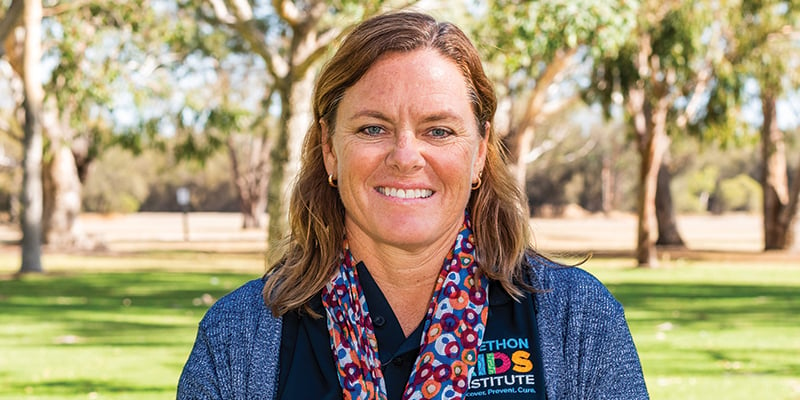
Professor Juli Coffin’s most recent research focuses on the healing power of horses – also known as equine-assisted learning.
Rheumatic heart disease (RHD) is a preventable,devastating condition that disproportionately affects Aboriginal and Torres Strait Islander Australians.