
Search
Showing results for "early childhood"
Children with chronic medical conditions are at higher risk of invasive pneumococcal disease (IPD), but little is known about the effectiveness of the primary course of pneumococcal conjugate vaccine (PCV) in these children.
The breadth of available non-pharmacological interventions for autistic children, with varying evidence for efficacy summarised in multiple systematic reviews, creates challenges for parents, practitioners, and policymakers in navigating the research evidence. In this article, we report the findings of an umbrella review of 58 systematic reviews of non-pharmacological interventions for autistic children (aged 0–12 years).
Liz Prue Davis Hart MBBS FRACP PhD BSc (Hons) MSc PhD Co-director of Children’s Diabetes Centre Honorary Research Fellow prue.hart@thekids.org.au
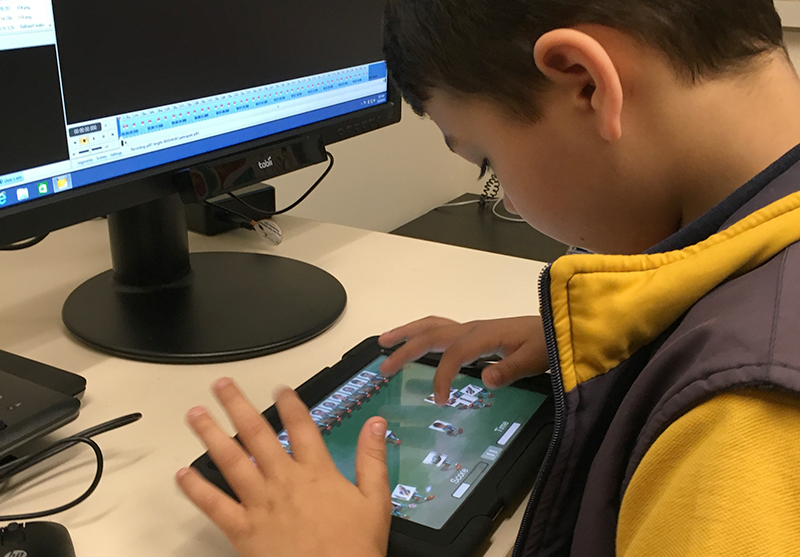
Researchers at The Kids Research Institute Australia and University of Western Australia have recently published data describing the use of an attention training game designed for school-aged children diagnosed with autism spectrum disorder (ASD).

An international team of researchers has pioneered a technique which gives unprecedented insight into the dramatic changes occurring in a baby’s body in the first week of life.

Babies are most vulnerable to life-threatening diseases in their first few weeks of life, yet current vaccines can’t be given until two months of age.

The Kids Research Institute Australia and Dolly's Dream are proud to deliver Beacon - a cyber safety educational app designed to keep parents and carers up-to-date with trusted, tailored information, to help keep their kids safe online.
A problem that applied researchers and practitioners often face is the fact that different institutions within research consortia use different scales to evaluate the same construct which makes comparison of the results and pooling challenging.
A comparison of parents’ experiences of getting a diagnosis for their child with autism, attention deficit hyperactivity disorder (ADHD) and both diagnoses can inform our understanding of common and unique themes across these neurodevelopmental conditions.
Andrew Videos Whitehouse Watch and listen to Andrew PhD Deputy Director (Research); Angela Wright Bennett Professor of Autism Research at The Kids