
Search
Showing results for "early childhood"
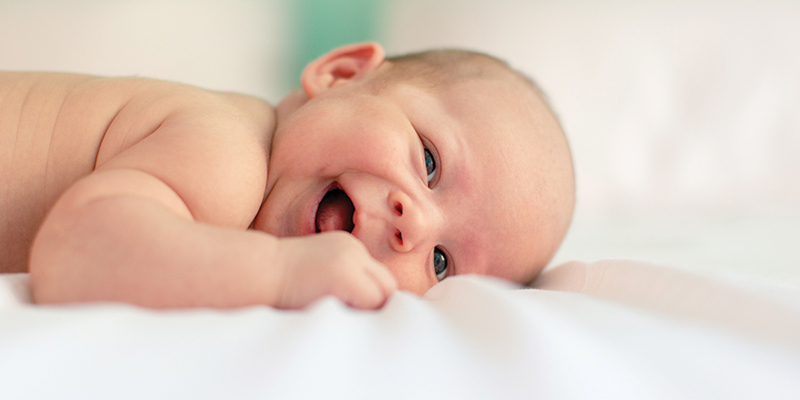
Babies are most vulnerable to life-threatening diseases in their first few weeks of life, yet current vaccines can’t be given until two months of age.
The Kids Research Institute Australia and Dolly's Dream are proud to deliver Beacon - a cyber safety educational app designed to keep parents and carers up-to-date with trusted, tailored information, to help keep their kids safe online.
A problem that applied researchers and practitioners often face is the fact that different institutions within research consortia use different scales to evaluate the same construct which makes comparison of the results and pooling challenging.
A comparison of parents’ experiences of getting a diagnosis for their child with autism, attention deficit hyperactivity disorder (ADHD) and both diagnoses can inform our understanding of common and unique themes across these neurodevelopmental conditions.
Andrew Videos Whitehouse Watch and listen to Andrew PhD Deputy Director (Research); Angela Wright Bennett Professor of Autism Research at The Kids
Thyroid hormones affect neurological development and function, but detailed studies of thyroid hormones and metabolites in autism are lacking. The objective was t characterize thyroid function and metabolism in autistic children.
A reliable and valid diagnostic classification system is pivotal for guiding clinical decision-making, facilitating rigorous and reproducible research findings, informing population-level health planning and resource allocation, and promoting well-being.
Lidocaine is widely used in pediatric anesthesia for airway topicalization to modulate undesirable airway and circulatory reflexes, yet its effectiveness remains unclear. Therefore, we aimed to perform a meta-analysis evaluating the impact of topical lidocaine on respiratory adverse events in children undergoing airway management.
Paediatric patients continue to lack access to age-appropriate oral medicines for their treatment and have to depend on the off-label use of medicines approved for adults, which compromises dosing accuracy and exposes children to unpleasant bitterness.
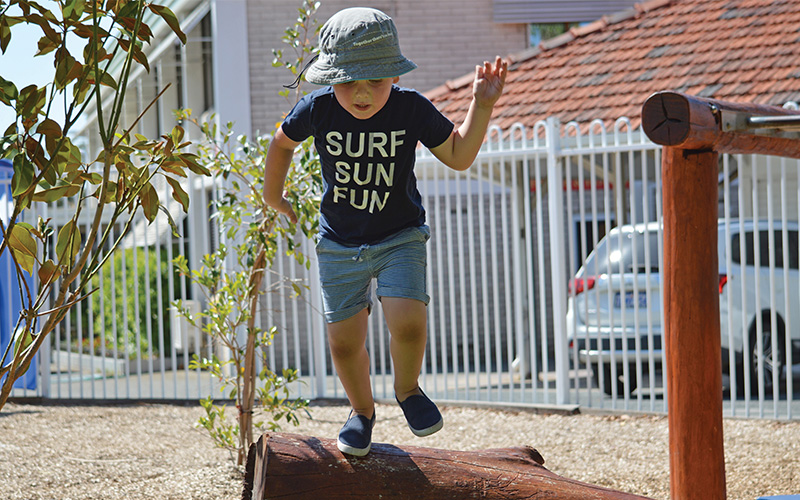
The Kids Research Institute Australia Government Relations Advisor Fiona Roche said the BEACHES project was a great example of how the Institute is increasingly working in partnership with Government