
Search
Showing results for "mental health aboriginal"
The search for novel microRNA (miRNA) biomarkers in plasma is hampered by haemolysis, the lysis and subsequent release of red blood cell contents, including miRNAs, into surrounding fluid. The biomarker potential of miRNAs comes in part from their multicompartment origin and the long-lived nature of miRNA transcripts in plasma, giving researchers a functional window for tissues that are otherwise difficult or disadvantageous to sample.
Acute lymphoblastic leukaemia is a highly heterogeneous malignancy characterised by various genomic alterations that influence disease progression and therapeutic outcomes. Gene fusions involving the immunoglobulin heavy chain gene represent a complex and diverse category.
Plant DNA preserved in ancient specimens has recently gained importance as a tool in comparative genomics, allowing the investigation of evolutionary processes in plant genomes through time. However, recovering the genomic information contained in such specimens is challenging owing to the presence of secondary substances that limit DNA retrieval.
Panicum miliaceum L. was domesticated in northern China at least 7000 years ago and was subsequentially adopted in many areas throughout Eurasia. One such locale is Areni-1 an archaeological cave site in Southern Armenia, where vast quantities archaeobotanical material were well preserved via desiccation.

Program Manager
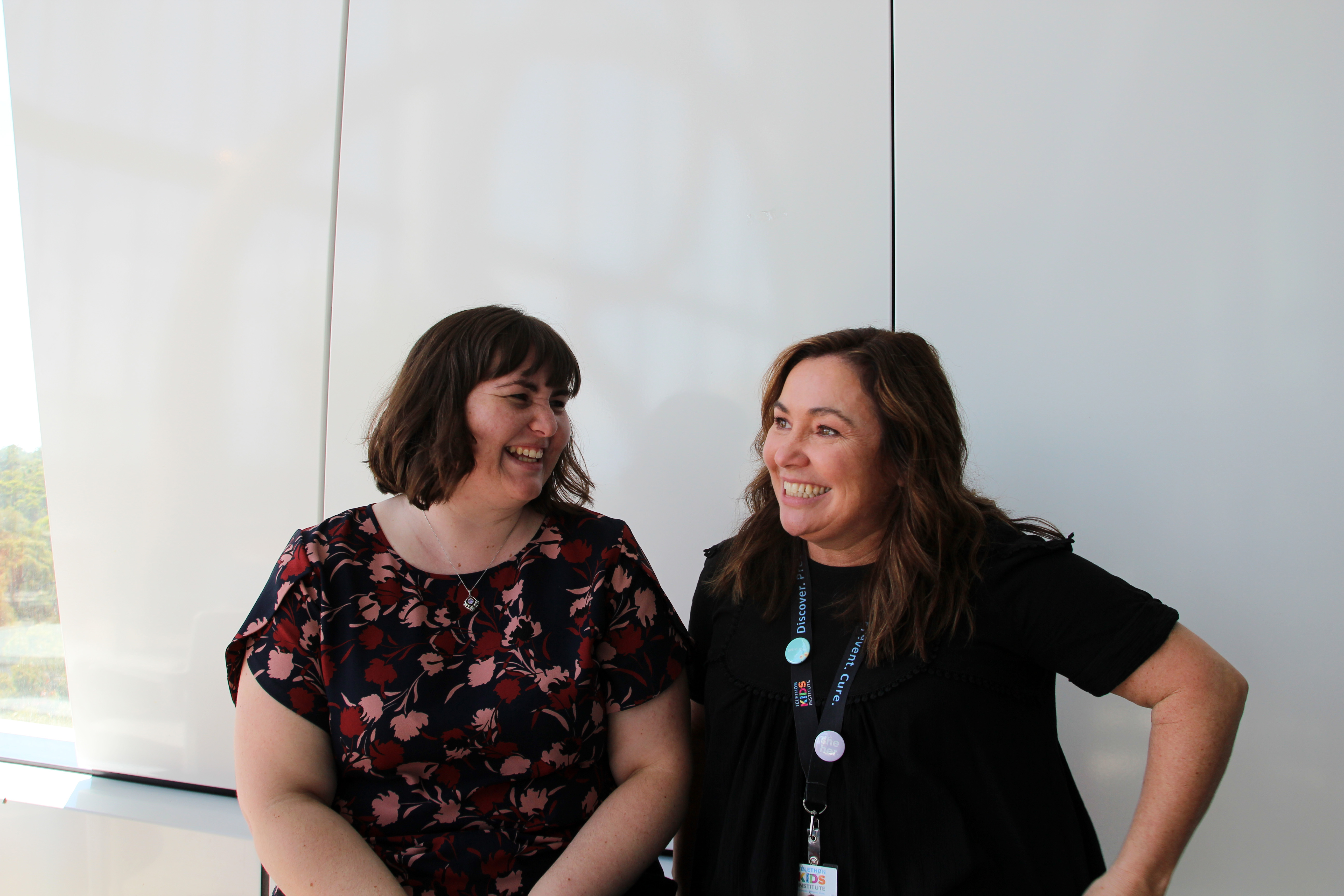
Support for mothers with severe mental illnesses and a greater understanding of young autistic LGBTQA+ people will receive funding, after Embrace’s PhD scholarship recipients were announced this month.
Policy interventions to increase physical activity in early childhood education and care (ECEC) services are effective in increasing physical activity among young children. However, a large proportion of ECEC services do not have nor implement a physical activity policy.

ARC DECRA Fellow & Head of Food and Nutrition Research
High levels of sedentary behaviour are associated with poor child health outcomes such as obesity. Early childhood education and care (ECEC) services are a key intervention setting. Most ECEC policy-based interventions focus on children's nutrition and physical activity with few aimed at children's sedentary behaviour.
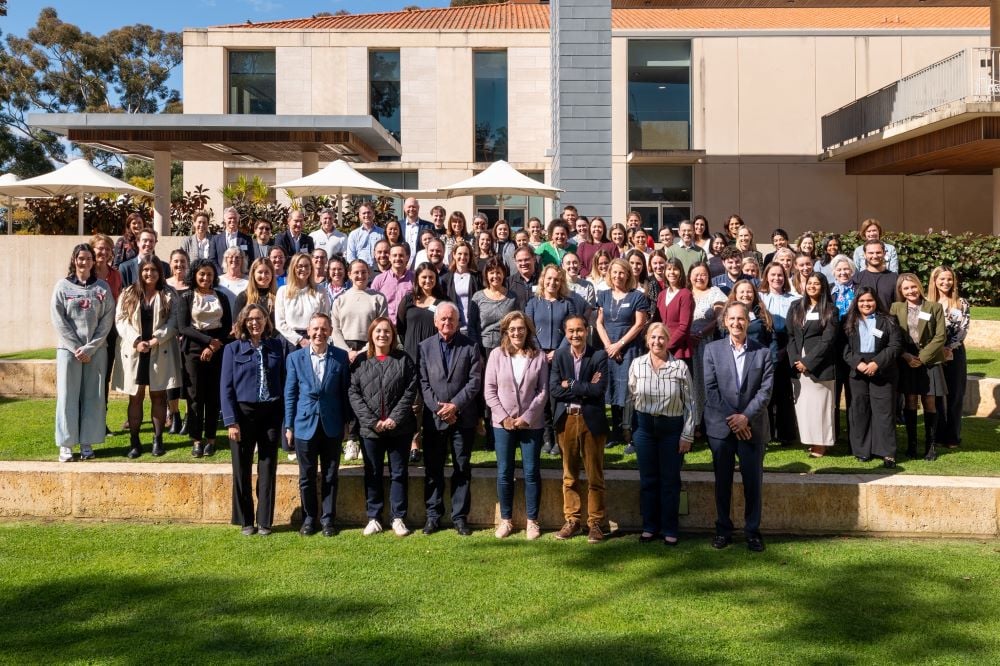
In August the Children's Diabetes Centre hosted the second Research Symposium for the Global Centre of Excellence