
Search
Showing results for "early lung health"
A high burden of bacterial skin infections is well documented in remote-living Indigenous children and young people in high-income countries.
People with intellectual disabilities are at a higher risk for experiencing behavioral, emotional, and psychiatric problems in comparison with the general...
Aboriginal children are at greater risk of rotavirus disease than non-Aboriginal children and delayed vaccine receipt is substantially higher
For decades, the research community has called for participant information sheets/consent forms (PICFs) to be improved. Recommendations include simplifying content, reducing length, presenting information in layers and using multimedia. However, there are relatively few studies that have evaluated health consumers' (patients/carers) perspectives on the type and organisation of information, and the level of detail to be included in a PICF to optimise an informed decision to enter a trial.
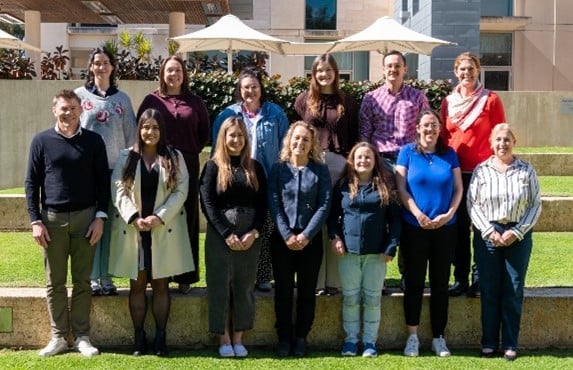
Community Involvement and Consumer Representatives are a really important part of our research. Find out what they have been working on.
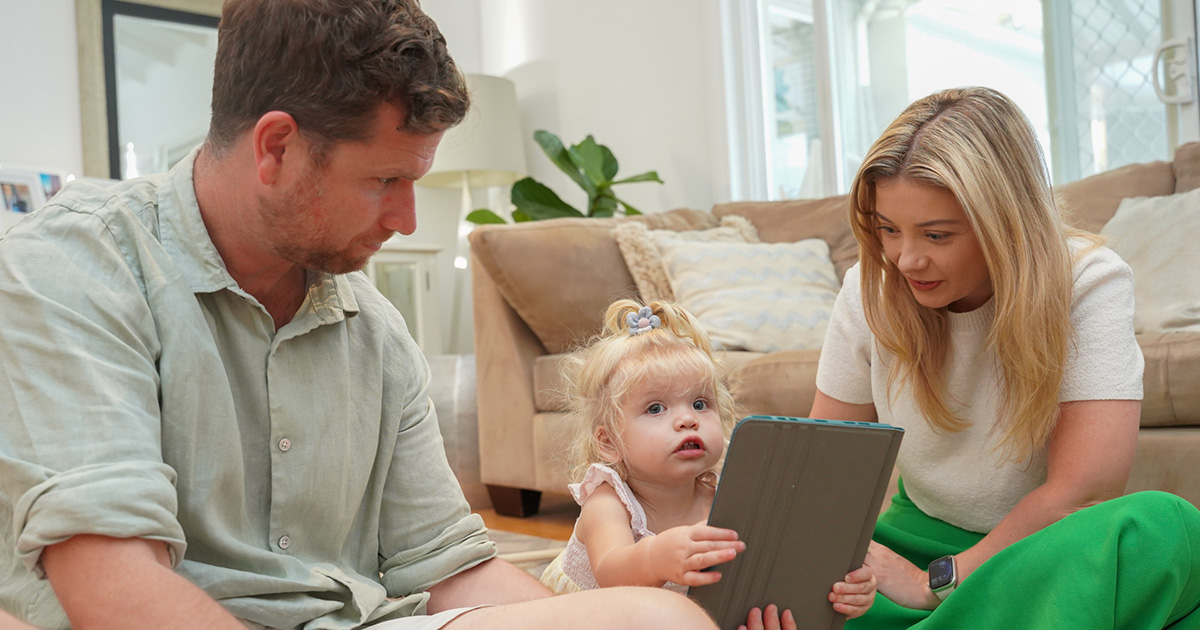
A first-of-its kind study has found that for every minute of screen time toddlers are exposed to at home, they hear fewer adult words, make fewer vocalisations and engage in fewer back-and-forth conversations with their parents.
CDKL5 deficiency disorder (CDD), a severe developmental and epileptic encephalopathy, is being diagnosed earlier with improved access to genetic testing, but this may also have unanticipated impacts on parents’ experience receiving the diagnosis. This study explores the lived experience of parents receiving a diagnosis of CDD for their child using mixed methods.
Malaria imposes a significant global health burden and remains a major cause of child mortality in sub-Saharan Africa. In many countries, malaria transmission varies seasonally. The use of seasonally-deployed interventions is expanding, and the effectiveness of these control measures hinges on quantitative and geographically-specific characterisations of malaria seasonality.
The aim of this study was to investigate the validity of using a Bouchard activity record (BAR) in individuals with Rett syndrome to measure physical...
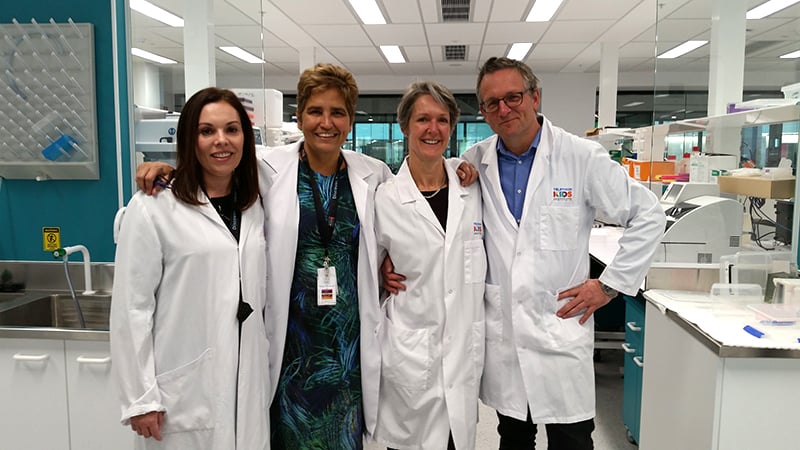
Dr Michael Mosley recently visited The Kids Research Institute Australia to talk about DOHaD and the importance of good gut health.