
Search
Showing results for "mental health aboriginal"
Based on the socioecological conceptual model, the physical environment within the home, childcare and neighbourhood domains are key factors that influence preschool children's physical activity; however, the relative importance of each of these domains for preschool children's physical activity is unclear.
Childcare services such as preschools and long day care centres have been identified as a key setting to promote physical activity in early childhood as they provide access to large numbers of children for prolonged periods. Yet, specific standards for the type and amount of physical activity children accumulate whilst attending childcare are lacking. The purpose of this study was to derive population-referenced percentile values for children's total movement and energetic play whilst attending early childhood education and care services.
This study investigated where preschool children were more or less active in outdoor play areas in Early Childhood Education and Care (ECEC) centers using a novel method of combined device-measured physical activity, spatial data and on-site audit data.
The environmental influences on early childhood development are understudied. The association between vegetation cover (i.e., trees, shrubs, grassed areas) in four key behaviour settings and socioemotional functioning was investigated in 1196 young children (2–5 years).
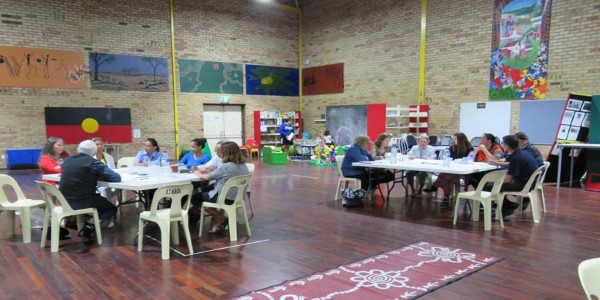
MEDIA ENQUIRIES Mailing list Media Contacts Be Inspired Please direct general enquiries to our reception on (08) 6319 1000. Please direct media

Telethon Kids Institute believes that everyone has the right to be treated with equal respect, to feel included and not be subjected to discrimination.
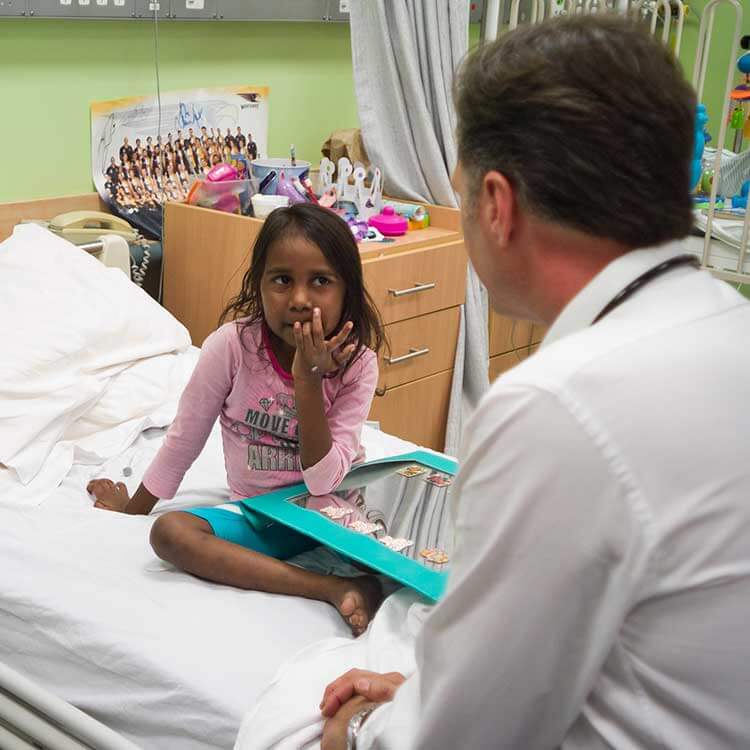
What would you discover to help a child? At The Kids, our researchers are committed to Rheumatic heart disease research that makes a real difference.
The Indigenous peoples of Australia have a rich linguistic and cultural history. How this relates to genetic diversity remains largely unknown because of their limited engagement with genomic studies. Here we analyse the genomes of 159 individuals from four remote Indigenous communities, including people who speak a language (Tiwi) not from the most widespread family (Pama-Nyungan). This large collection of Indigenous Australian genomes was made possible by careful community engagement and consultation.
Thank you to our Sponsors Contact us If you'd like to get in touch, please contact Marie Nadal-Sims by phone or email. Phone: (08) 6319 1001 Email:
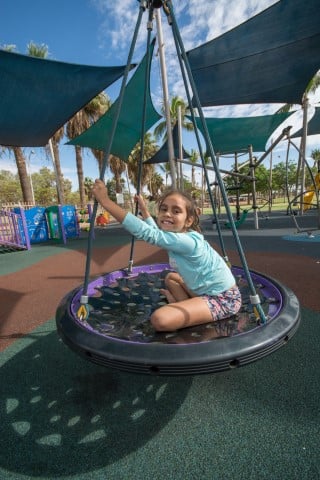
Researchers from The Kids Research Institute Australia are running a school program designed to help children adjust their levels of alertness and attention in class.