
Prenatal exposure to testosterone is known to affect fetal brain maturation and later neurocognitive function.

Grants power next wave of childhood cancer research
Limited research investigates early childhood education and care (ECEC) educators' involvement in promoting physical activity. The aim was to identif…
Type 1 diabetes (T1D) is a chronic and incurable autoimmune disease, diagnosed in early childhood and managed initially in paediatric healthcare serv…
In this study, the Australian Early Development Census scores of 19,203 children were linked to information on child maltreatment allegations.
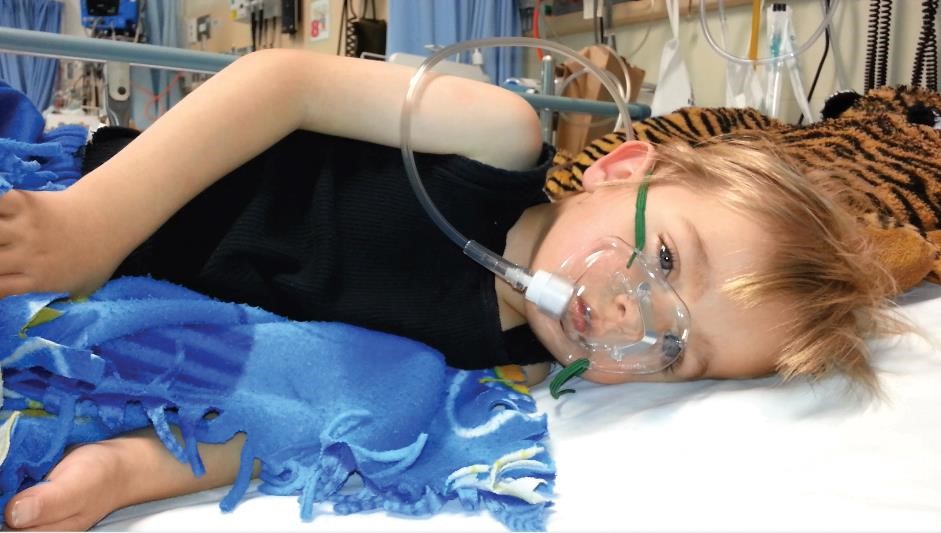
WA researchers lead global centre to eliminate childhood asthma
We hypothesized that the presence of these markers of cystic fibrosis lung disease in the first 2 years of life would be associated with reduced lung…
The risk of entry to state care during infancy is increasing, both here in England and abroad, with most entering within a week of birth ('newborns')…
This study investigated where preschool children were more or less active in outdoor play areas in Early Childhood Education and Care (ECEC) centers…
Acute lymphoblastic leukemia (ALL) in infants younger than 1 year of age is an aggressive, high-risk subtype of childhood ALL. Infant ALL with KMT2A-…