
Inert gas washout tests, performed using the single- or multiple-breath washout technique, were first described over 60 years ago.

driving a new research agenda for childhood lung health. Bringing together clinicians, scientists and
tests to see whether we can diagnose this problem early, rather than relying on the current method of simply ... muscle weakness during sleep, we can…
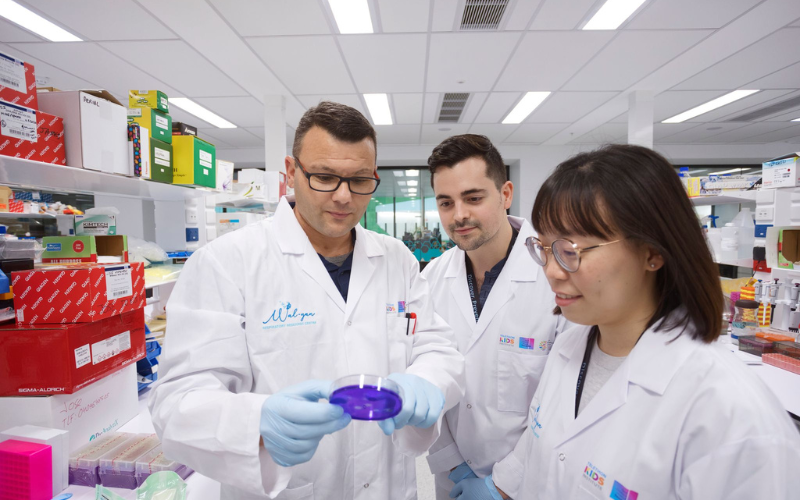
driving a new research agenda for childhood lung health. Bringing together clinicians, scientists and
Multiple Research Assistant positions - Respiratory Health Research
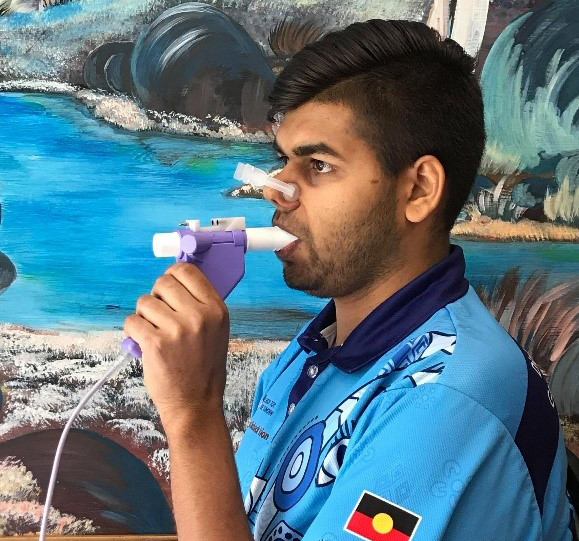
Healthy lungs help you to breathe better. This means you can sleep better, as well as play sports, run and walk without being short winded.
Chest computed tomography (CT) is the gold standard for demonstrating cystic fibrosis (CF) airway disease. However, there are no standardized outcome…
existence of a gut-lung axis connection, which may modulate the progression of lung disease. Molecular ... of the lung microbiota. Our data provide f…
therapeutic pipeline for antibiotic resistant bacterial lung infection in children: investigating and assessing
irreversible lung damage. Early identification of such exacerbations may facilitate early initiation of ... 7 years included in the Australian Respir…