
Search
Showing results for "Childhood interstitial lung disease "

There are calls for a significant and urgent injection of $40 million in funding to tackle Rheumatic Heart Disease (RHD) following Monday night’s Four Corners episode.

A global philanthropic organisation has backed an Australian-led bid to develop a Strep A vaccine which could save millions of lives around the world.
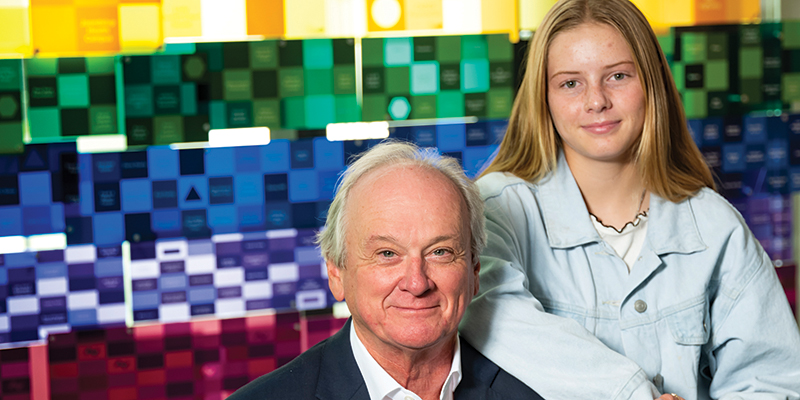
Recent diabetes technology is helping 12-year-old Drina keep on top of her condition and be independent, while significantly easing the disease burden on her family.
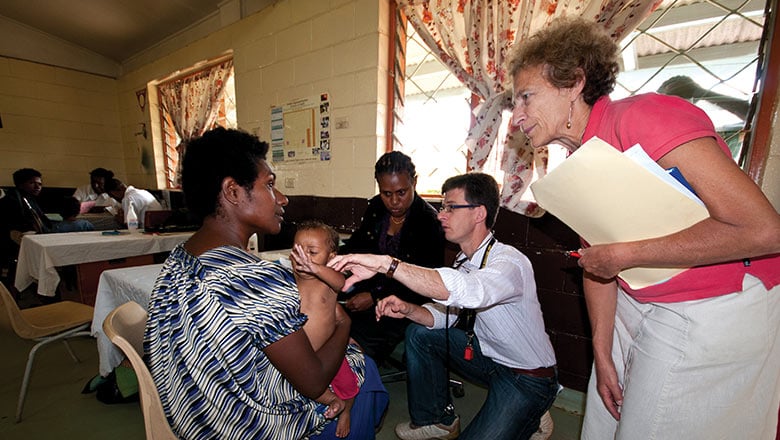
For more than a decade, The Kids Research Institute Australia and Papua New Guinea Institute of Medical Research have been fighting against killer infectious diseases.
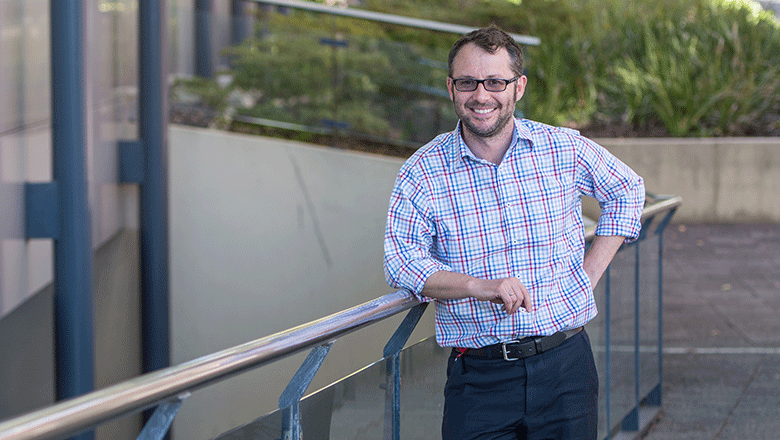
A Kids Research Institute Australia researcher has been awarded $10,000 from the New Independent Researcher Infrastructure Support (NIRIS) award.
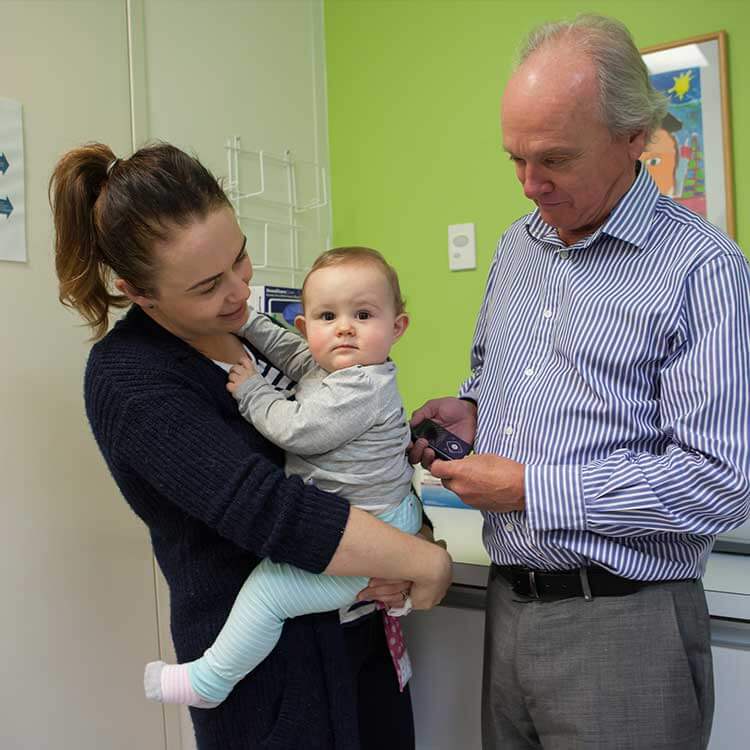
Researchers at The Kids Research Institute Australia have today been awarded more than $11 million in funding from the National Health and Medical Research Council.
The gap between life expectancy in patients with a mental illness and the general population has widened and reduction should focus on improving physical health
What would you discover to help a child? At The Kids, our researchers are committed to Cancer research that makes a real difference.
David Martino BSc PhD Head, Chronic Diseases Research David.Martino@thekids.org.au Head, Chronic Diseases Research Assoc. Prof David Martino is the
Debbie Susan Palmer Prescott BSc BND PhD MBBS BMedSci PhD FRACP Head, Nutrition in Early Life Honorary Research Fellow debbie.palmer@uwa.edu.au