
Search
Showing results for "Childhood interstitial lung disease "
CANVAS is a commitment by the Governments of Australia and New Zealand to advance the development of a vaccine against GAS infection, which can cause rheumatic fever.
To address the urgent need for a vaccine for COVID-19, BioNet’s gene-based vaccine, COVIGEN, will be investigated in this first-in-human, Phase I study.
Debbie Susan Palmer Prescott BSc BND PhD MBBS BMedSci PhD FRACP Head, Nutrition in Early Life Honorary Research Fellow debbie.palmer@uwa.edu.au
The Kids Research Institute Australia (Jonathan Carapetis) is a member of the new Global Strep A Vaccine Consortium; a global GAS vaccine consortium that will drive strategic planning to anticipate requirements for licensure, prequalification, and policy recommendations.

Liana’s story begins nine years ago. It starts with a sore ankle, a fever, a trip to the emergency room and clinic and finally a diagnosis of acute rheumatic fever (ARF).

Congratulations to Children’s Diabetes Centre’s Dr Aveni Haynes on being awarded a JDRF Postdoctoral Fellowship to inform type 1 diabetes prevention strategies by investigating early blood glucose abnormalities in at-risk children.
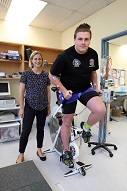
Young people with Type 1 Diabetes are needed for a new study looking at whether blood sugar levels affect exercise performance.
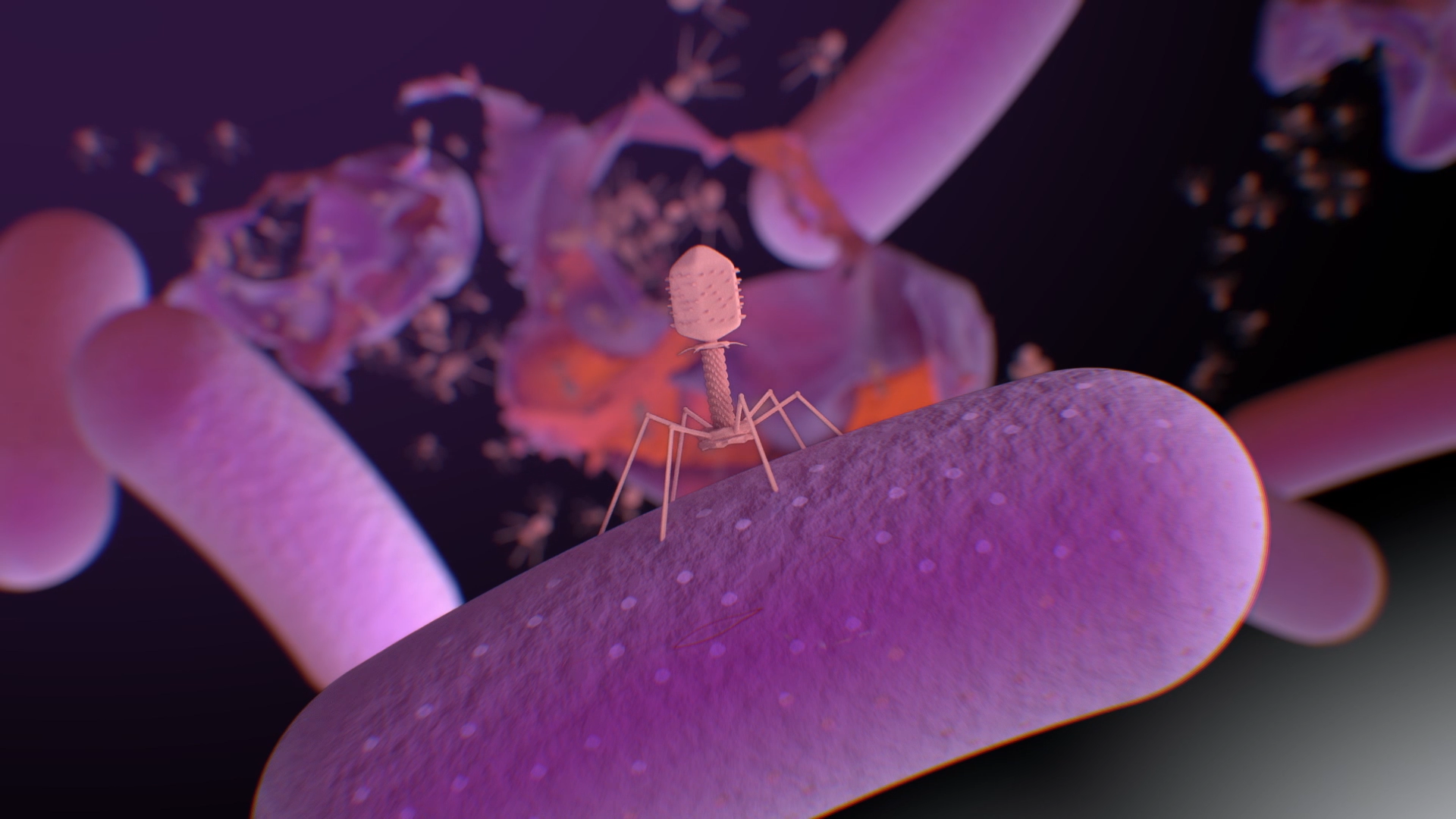
START Phage WA was formed to pave the way towards treating AMR infections with phage therapy in Western Australia.

Shanara Quartermaine has just received 2022Supporting Training of Aboriginal Researchers & Staff (STARS) Capacity Building Funding Award.
Head lice is an ectoparasitic skin infection commonly seen in primary school-aged children. In remote Australia, where rates of other skin infections and downstream sequelae are endemic, the rate of head lice infestation is unknown.