
Search
Showing results for "early childhood"
Reading and writing are crucial life skills but roughly one in ten children are affected by dyslexia, which can persist into adulthood. Family studies of dyslexia suggest heritability up to 70%, yet few convincing genetic markers have been found.
This study aimed to understand how parents describe the most challenging behaviors exhibited by their children diagnosed with autism and/or ADHD, how those behaviours impact their family, and whether challenges are directly related to the core characteristics of these conditions.
Autism spectrum disorder (ASD), a neurodevelopmental condition characterised by social and communication differences, is complex and aetiologically heterogeneous. Untargeted metabolomics is emerging as a tool in screening for biochemical abnormalities. This research was conducted using the Australian Autism Biobank resource and involved analysis of plasma metabolites to characterise metabolite differences between autistic children and controls.
Autistic children demonstrate an increased likelihood of self-injurious behaviours (SIB). To support autistic individuals who exhibit SIB and understand the factors that contribute to SIB, we examined several child and family characteristics associated with the severity of SIB.
Andrew Videos Whitehouse Watch and listen to Andrew PhD Deputy Director (Research); Angela Wright Bennett Professor of Autism Research at The Kids
Chris Glenn Lea-Ann Peter Ruth Brennan-Jones Pearson Kirkham Richmond Thornton PhD BA (Education) PhD Candidate PhD MBBS MRCP(UK) FRACP PhD Head, Ear
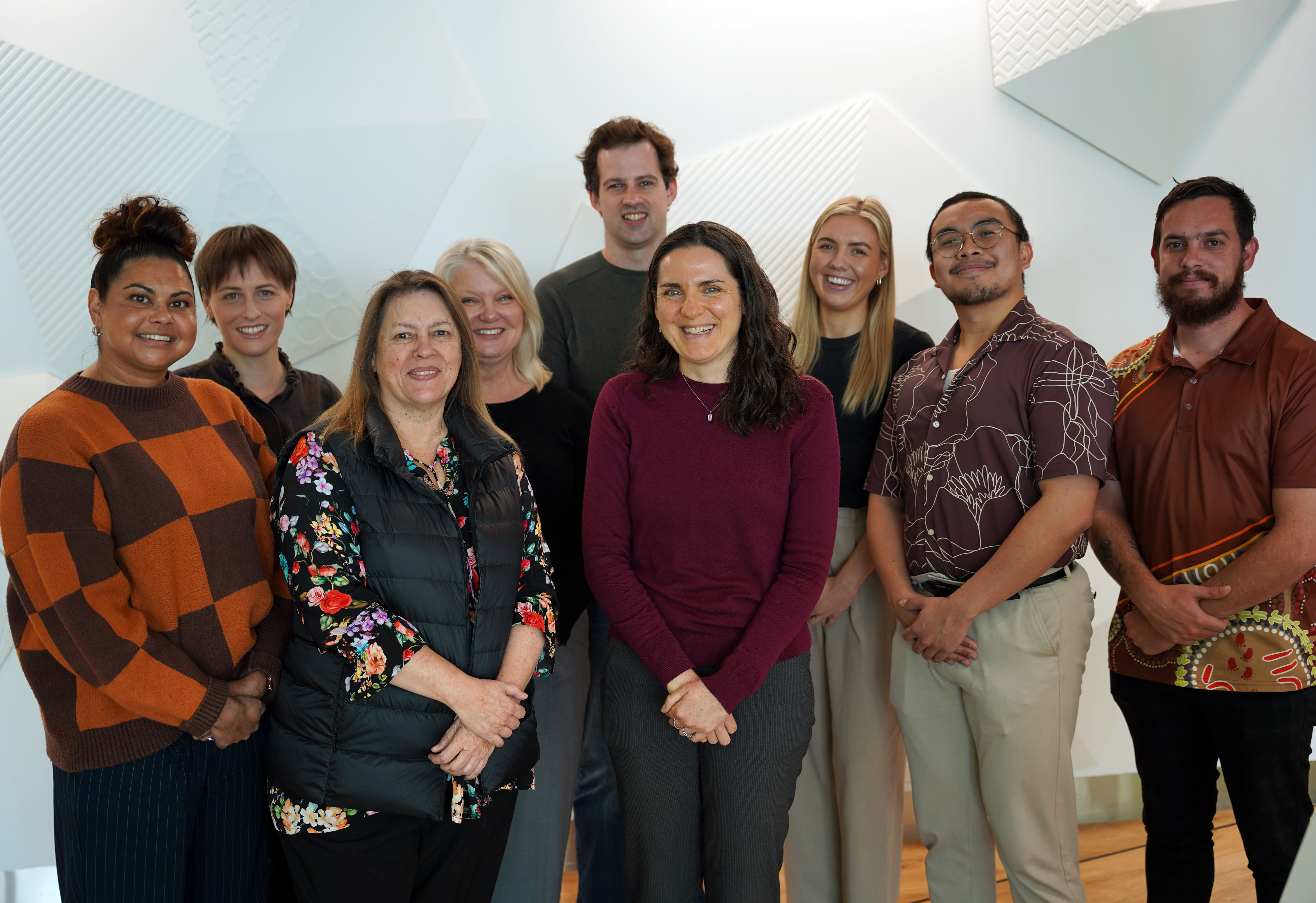
Embrace has appointed Professor of Clinical Psychology Jeneva Ohan as its new Co-Director alongside Professor Helen Milroy AM.
The absence of a diagnostic test for acute rheumatic fever (ARF) is a major impediment in managing this serious childhood condition. ARF is an autoimmune condition triggered by infection with group A Streptococcus.
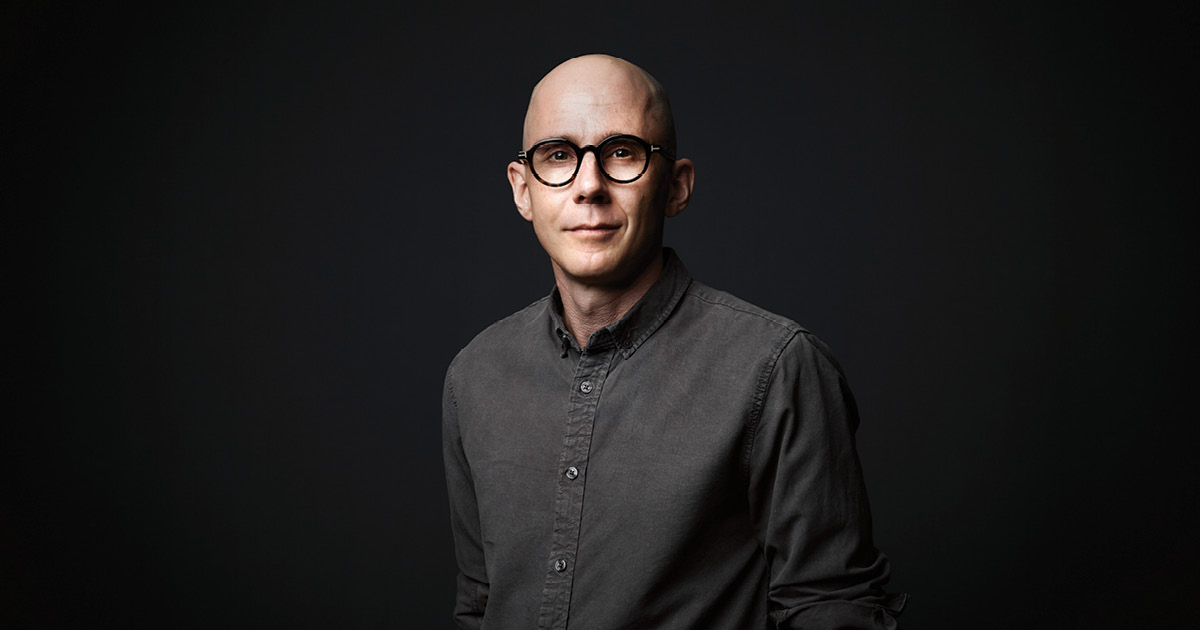
In 2006, when a Japanese scientist building on the earlier work of a British biologist discovered a way to reprogram adult cells into other cell types – making them ‘pluripotent’ – the scientific world was entranced.
Raelene Nick Endersby Gottardo BSc (Hons) PhD MBChB FRACP PhD Brainchild Fellow; Co-Head, Brain Tumour Research team Co-Head, Brain Tumour Research