
Search
Showing results for "early lung health"
An exciting opportunity to work in the Children's Lung Health research team to improve lung health in children and young people.
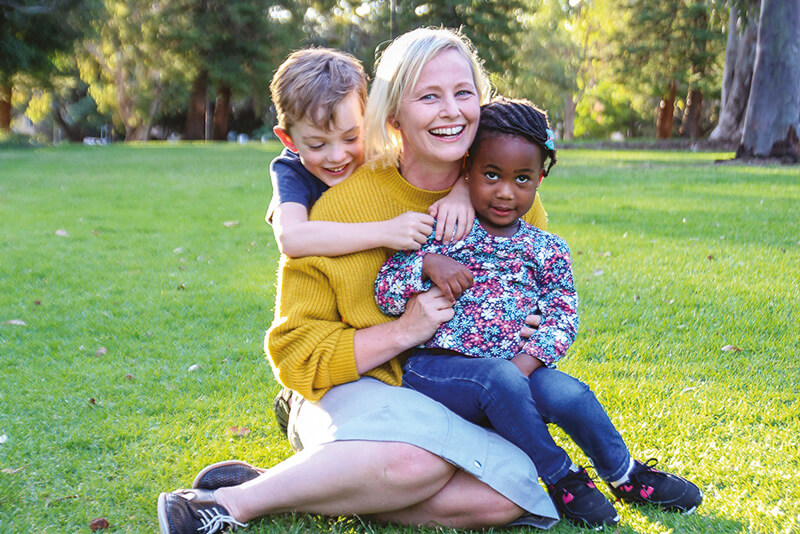
A lung function study carried out by Dr Shannon Simpson provided the most comprehensive follow-up of very pre-term children of any study so far carried out on the lung health of this vulnerable group.
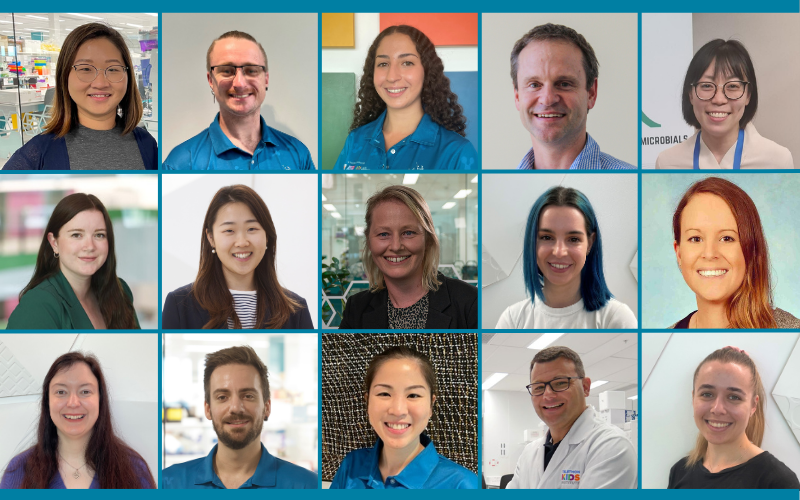
More than 15 researchers from the Wal-yan Respiratory Research Centre will head to the Gold Coast this weekend to take part in at The Thoracic Society of Australia and New Zealand and The Australia and New Zealand Society of Respiratory Science (TSANZSRS) Annual Scientific Meeting (ASM).
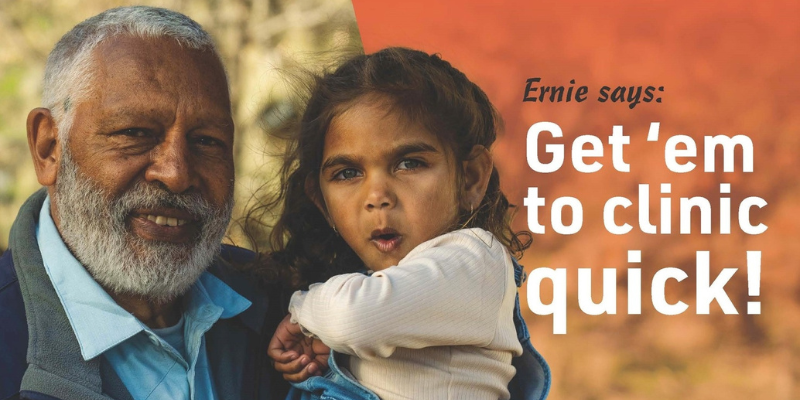
September marks the three-month milestone of an intensive health promotion campaign in the East Kimberley region, which aims to raise awareness of the dangers of a chronic wet cough in Aboriginal children.
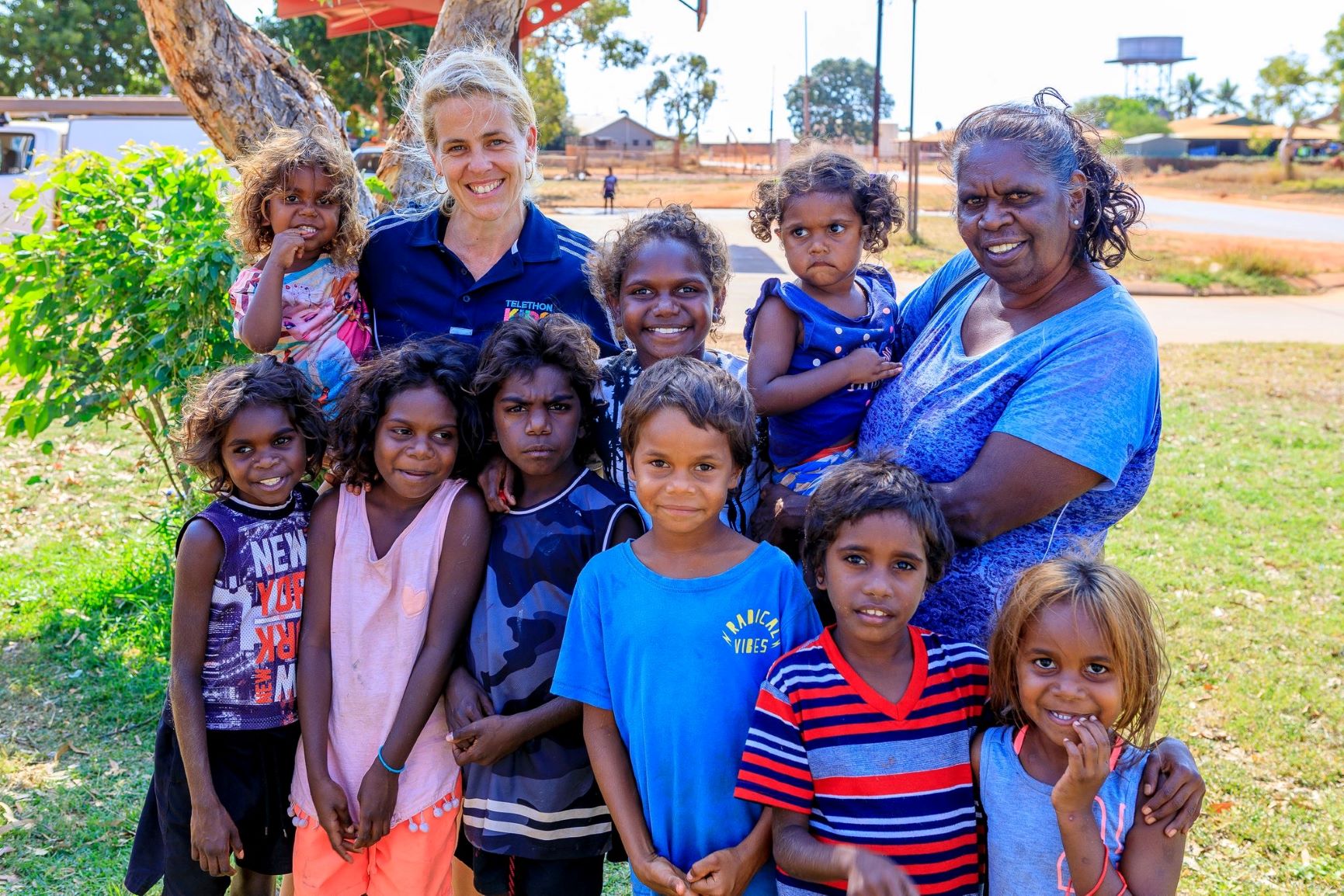
Respiratory illness accounts for 12% of the age-standardised gap in mortality between Indigenous and non-Indigenous Australians.
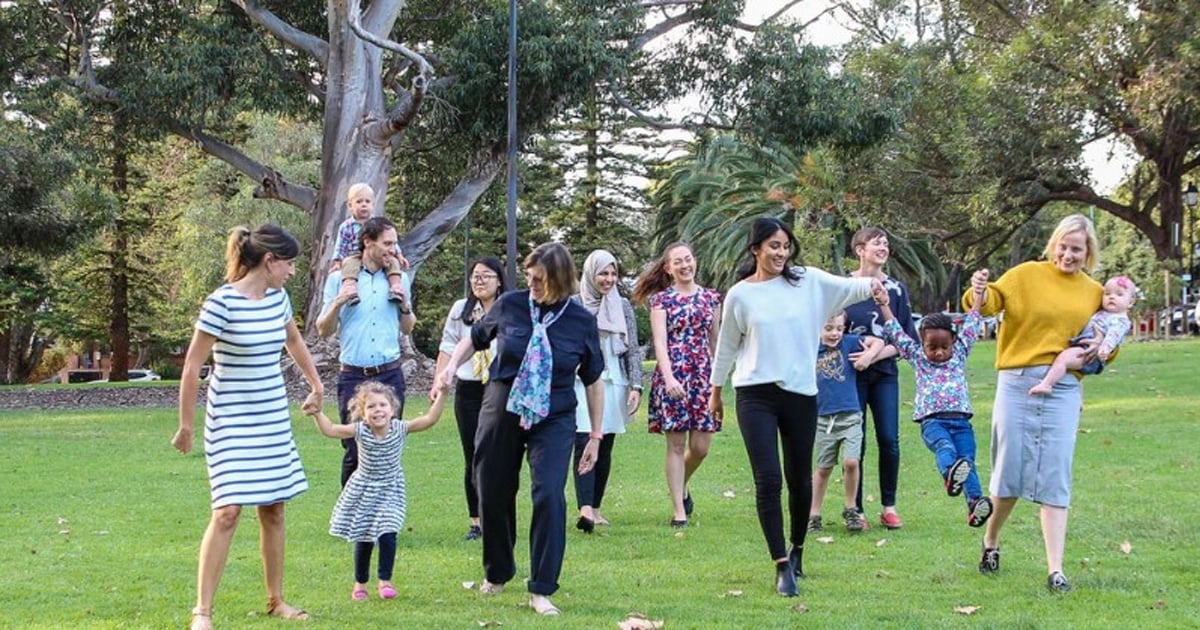
A project to uncover treatable traits to improve the lung health of people born preterm has been made possible thanks to a $1.99 million Medical Research Future Fund (MRFF) grant.
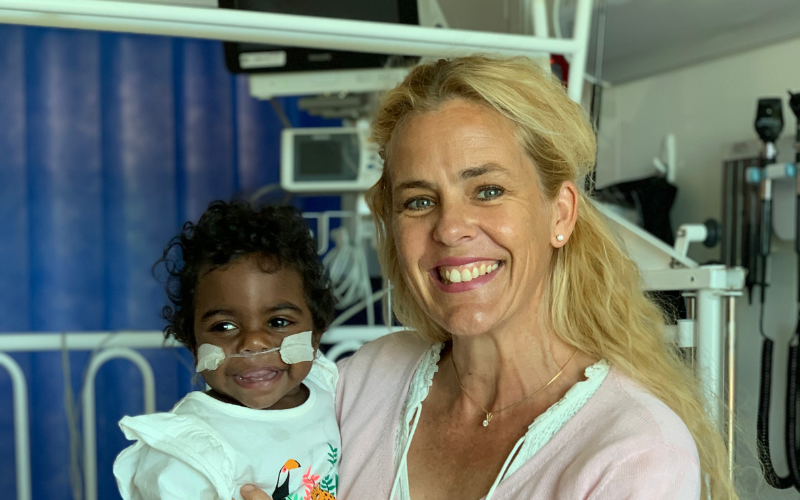
A co-designed and culturally secure intervention to improve medical follow-up for Aboriginal children hospitalised with acute chest infections resulted in higher follow-up rates and improved longer-term lung health outcomes for children.
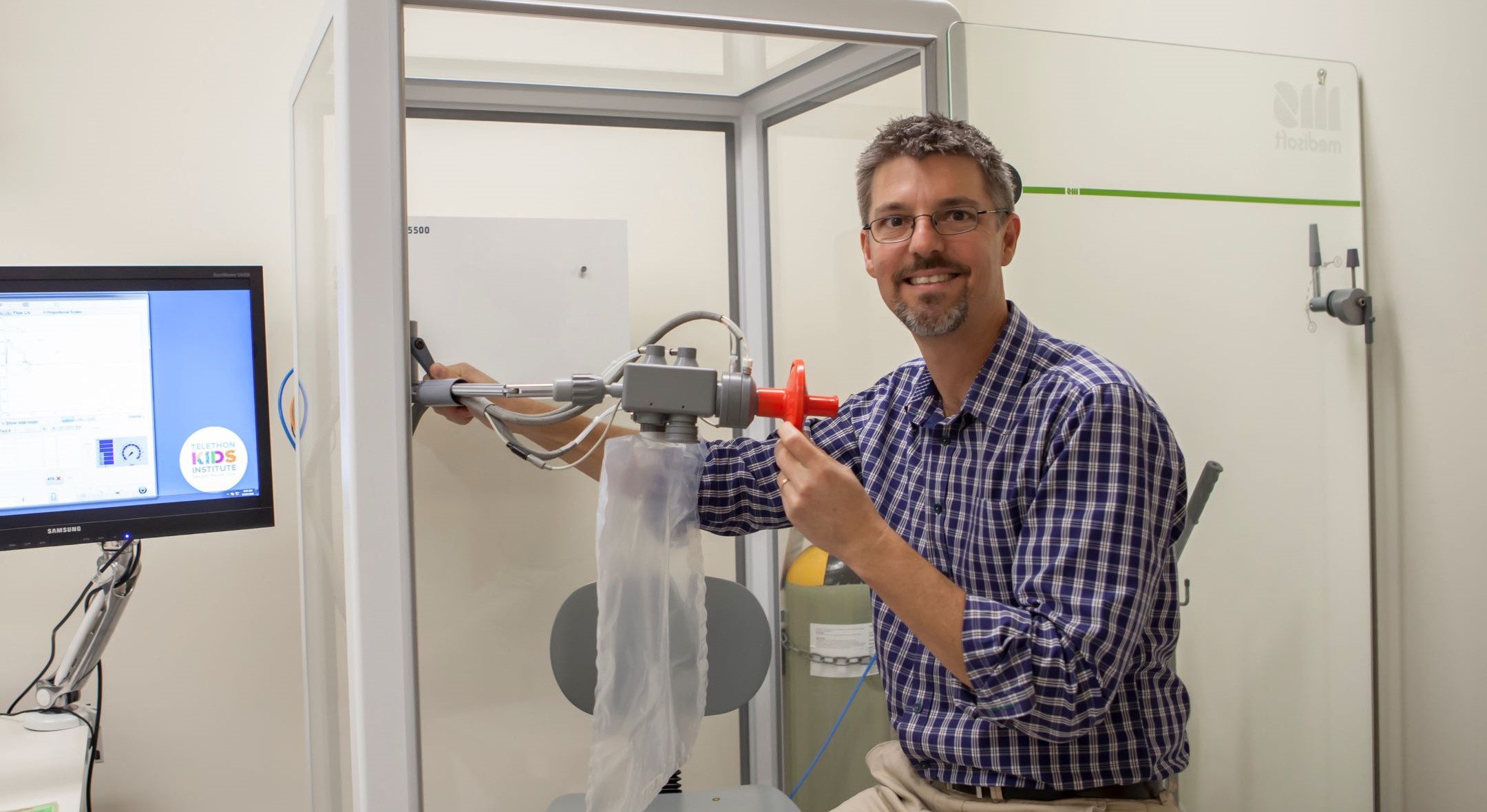
A global network of researchers and clinicians, co-led by The Kids’ Professor Graham Hall, has transformed international best practice in identifying low lung function and diagnosing and treating lung disease.
The Opportunity At The Kids Research Institute Australia, we are bringing together community, researchers, practitioners, policy makers and funders,
An exciting opportunity to work in the Children's Lung Health research team to improve lung health in Aboriginal children and their families