
Search
The review examines the international literature to determine how disengagement can be defined & understood, & then examines student disengagement in Australia.
This project provides guidance to help school leaders review the evidence for different programs, as well as a review of universal, evidence-based pre-school and school-based social and emotional learning programs available in Australia.
The Life Course Centre is a national centre funded by the Australian Research Council Centre of Excellence Scheme and hosted through the University of Queensland with collaborating nodes at the University of Western Australia, Sydney University and University of Melbourne.

The effects of educational advantage or disadvantage get handed down through the generations according to a new study by researchers at the The Kids.
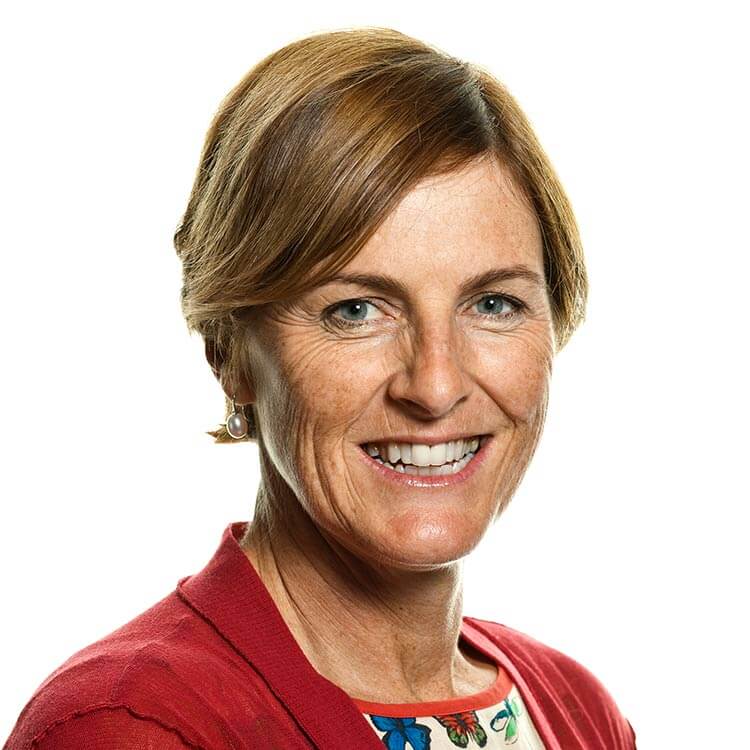
Professor Cate Taylor, is part of an International cohort of researchers to secure over €1.45million in grant funding from the EU’s Horizon 2020 programme.
This project uses longitudinal population data provided through the Developmental Pathways in WA Children Project (Developmental Pathways Project).
We know that place, location, and geography can all influence health, wellbeing, and disease, and thus are important factors in policy development and service planning.
The Education Department of Western Australia advocates for culturally responsive schools. Aboriginal Indigenous Education Officers are employed by schools to facilitate and enable the potential for Aboriginal school children to thrive in school settings.
Gathering Autistic young people's testimony is critical for understanding their lived experience of education and designing settings in which these students can thrive. Despite increasing knowledge in this field, we lack perspectives from a broad range of Autistic students which necessarily limits our ability to build inclusive, supportive environments for all. This study explored the educational experiences of preschool and school-aged Autistic students from diverse age groups, backgrounds, and educational settings.
Malaria is a leading cause of death in school-aged children in sub-Saharan Africa, and non-fatal chronic malaria infections are associated with anaemia, school absence and decreased learning, preventing children from reaching their full potential. Malaria chemoprevention has led to substantial reductions in malaria in younger children in sub-Saharan Africa.