Search
DYRK1A is a serine/threonine kinase encoded on human chromosome 21 (HSA21) that has been implicated in several pathologies of Down syndrome (DS), including cognitive deficits and Alzheimer's disease. Although children with DS are predisposed to developing leukemia, especially B cell acute lymphoblastic leukemia (B-ALL), the HSA21 genes that contribute to malignancies remain largely undefined. Here, we report that DYRK1A is overexpressed and required for B-ALL. Genetic and pharmacologic inhibition of DYRK1A decreased leukemic cell expansion and suppressed B-ALL development in vitro and in vivo.
The bone marrow microenvironment (BMM) plays a key role in leukemia progression, but its molecular complexity in pre-B cell acute lymphoblastic leukemia (B-ALL), the most common cancer in children, remains poorly understood. To gain further insight, we used single-cell RNA sequencing to characterize the kinetics of the murine BMM during B-ALL progression.
Children with Down syndrome (constitutive trisomy 21) that develop acute lymphoblastic leukemia (DS-ALL) have a 3-fold increased likelihood of treatment-related mortality coupled with a higher cumulative incidence of relapse, compared with other children with B-cell acute lymphoblastic leukemia (B-ALL).
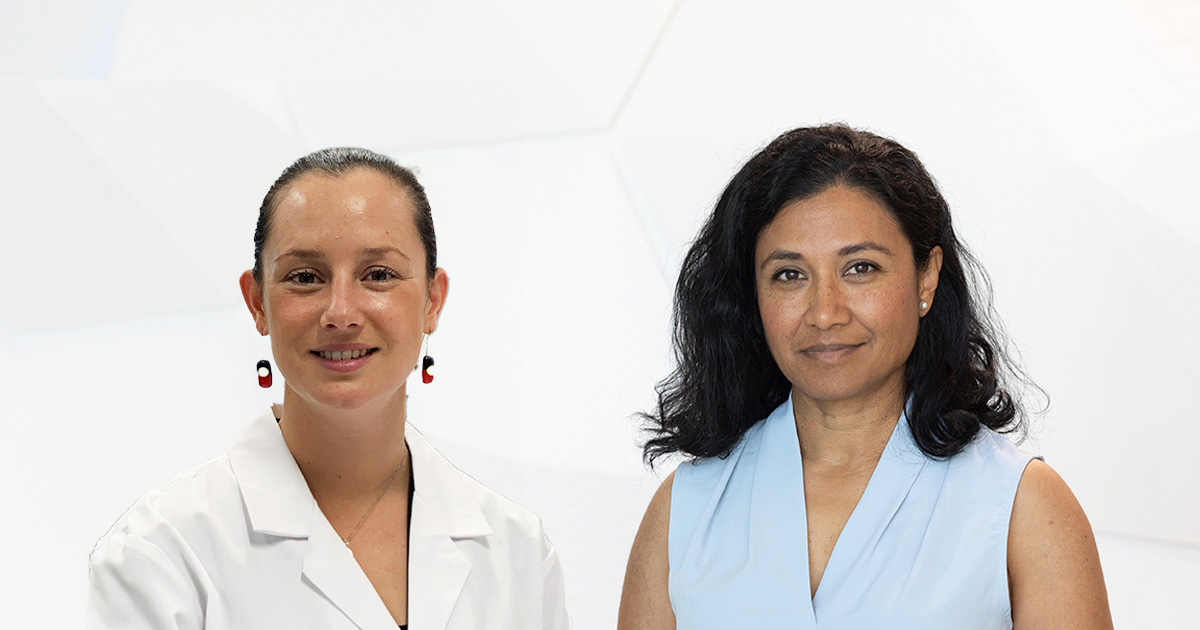
Eight outstanding researchers from The Kids Research Institute Australia and the Institute-led Broome STEM Festival are finalists in the 2025 Premier’s Science Awards.
Viridans group streptococci (VGS) are an important cause of sepsis in immunosuppressed children. We reviewed the effectiveness of risk-stratified addition of vancomycin to empiric febrile neutropenia therapy among 107 children with leukemia or undergoing an allogeneic transplant.
Optic pathway gliomas (OPGs) are associated with significant risk of visual and endocrine morbidity, but data on long-term outcomes in symptomatic patients is sparse. This study reviews the clinical course, disease progression, survival outcomes and long-term sequelae in pediatric patients with symptomatic OPGs in our institution over three decades.
The Kids Research Institute Australia cancer researcher, Dr Jason Waithman, has been named Cancer Council WA’s 2021 Cancer Researcher of the Year.
Cannabinoids are a group of chemicals that bind to receptors in the human body and, in turn, modulate the endocannabinoid system (ECS). They can be endogenously produced, synthetic, or derived from the plant Cannabis sativa L. Research over the past several decades has shown that the ECS is a cellular communication network essential to maintain multiple biological functions and the homeostasis of the body. Indeed, cannabinoids have been shown to influence a wide variety of biological effects, including memory, pain, reproduction, bone remodeling or immunity, to name a few. Unsurprisingly, given these broad physiological effects, alterations of the ECS have been found in different diseases, including cancer.
Siblings of children with cancer have been shown to experience disruption in multiple domains including family, school, and friendships. Existing literature on siblings' experiences focuses on older children or on a broad range of ages.
Event-free survival considers other adverse events in addition to mortality. It therefore provides a more complete understanding of the effectiveness and consequences of treatment than standard survival measures, but is rarely reported at the population level for childhood cancer.