
Search
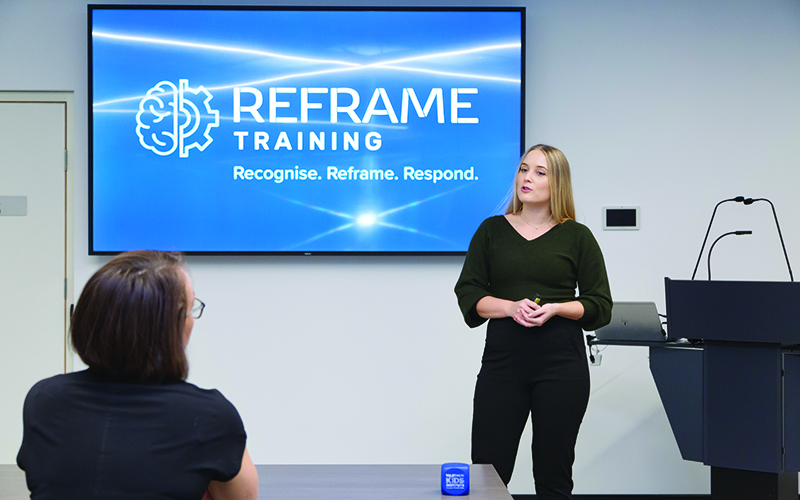
Findings from the Banksia Hill Project revealed 89% of young people in detention who were assessed as part of the project had at least one form of severe neurodevelopmental impairment.
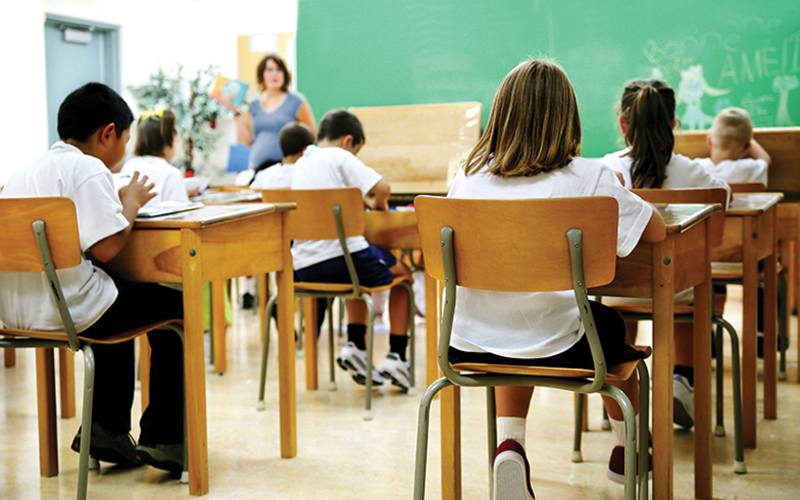
One third of Australia’s children will be better supported at school, thanks to a The Kids Research Institute Australia evidence review of what works best to support student behaviour needs.
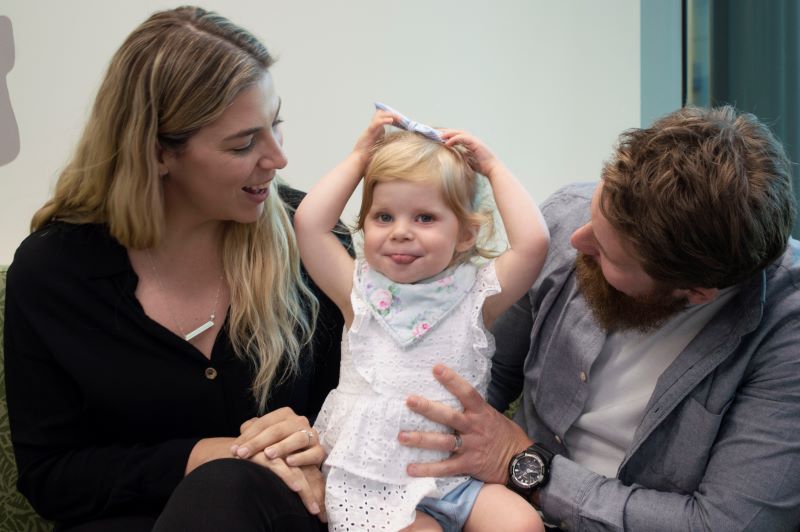
CliniKids, the first stand-alone clinical service offered by The Kids Research Institute Australia, was launched in October 2019 and is already delivering benefits for families with children who are developing differently.
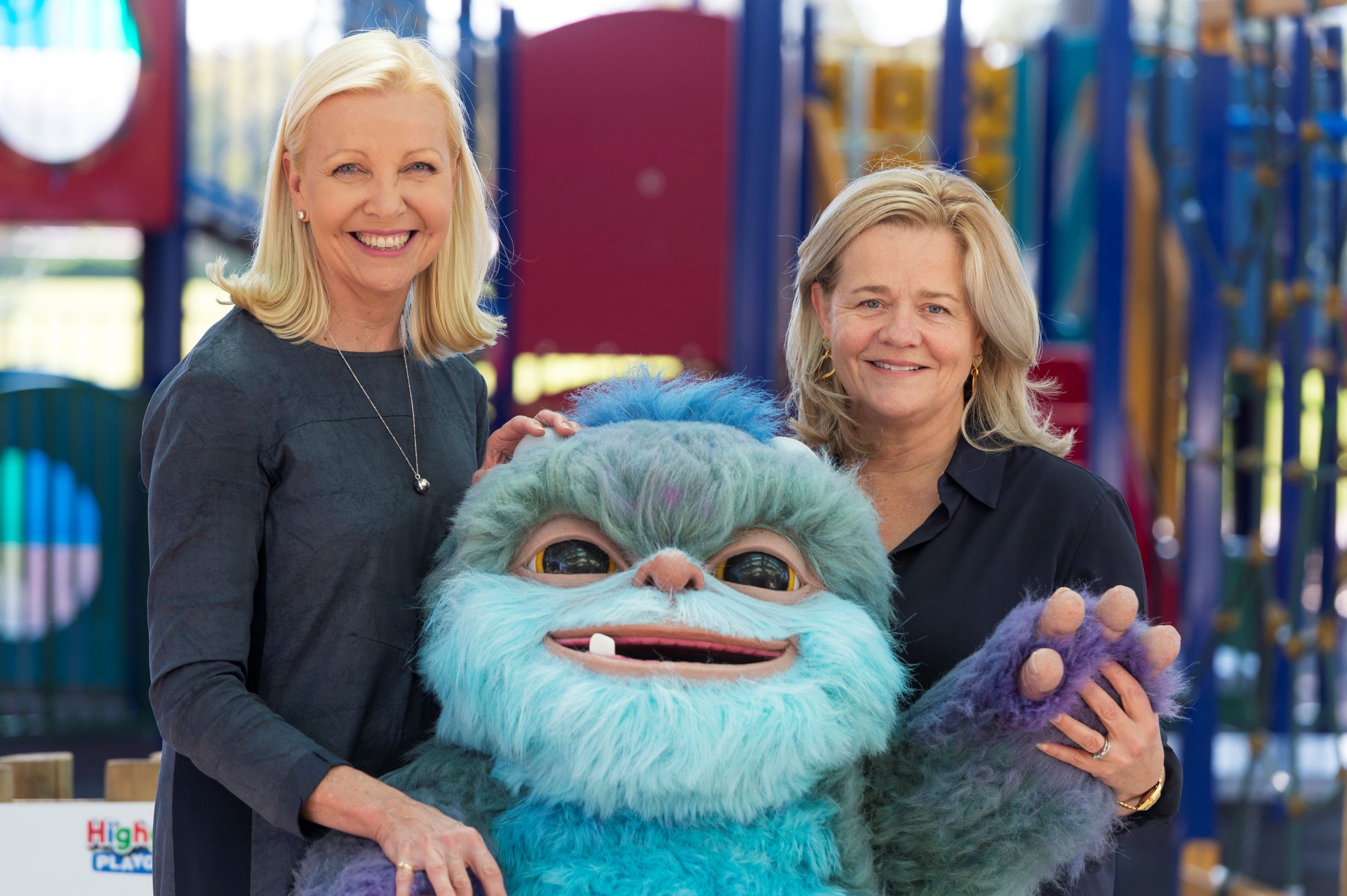
A comprehensive app produced by The Kids researchers has offered parents a lifeline as they try to cope with the isolation and disruption caused by coronavirus.
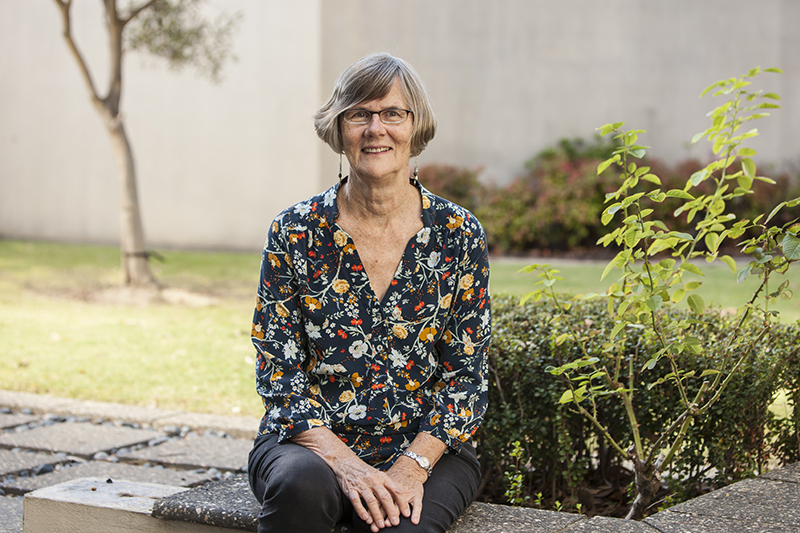
Strong advocacy efforts have paid off with health and food safety ministers from around Australia and New Zealand finally approving the recommended version of a warning label designed to highlight the potential risks of alcohol during pregnancy.
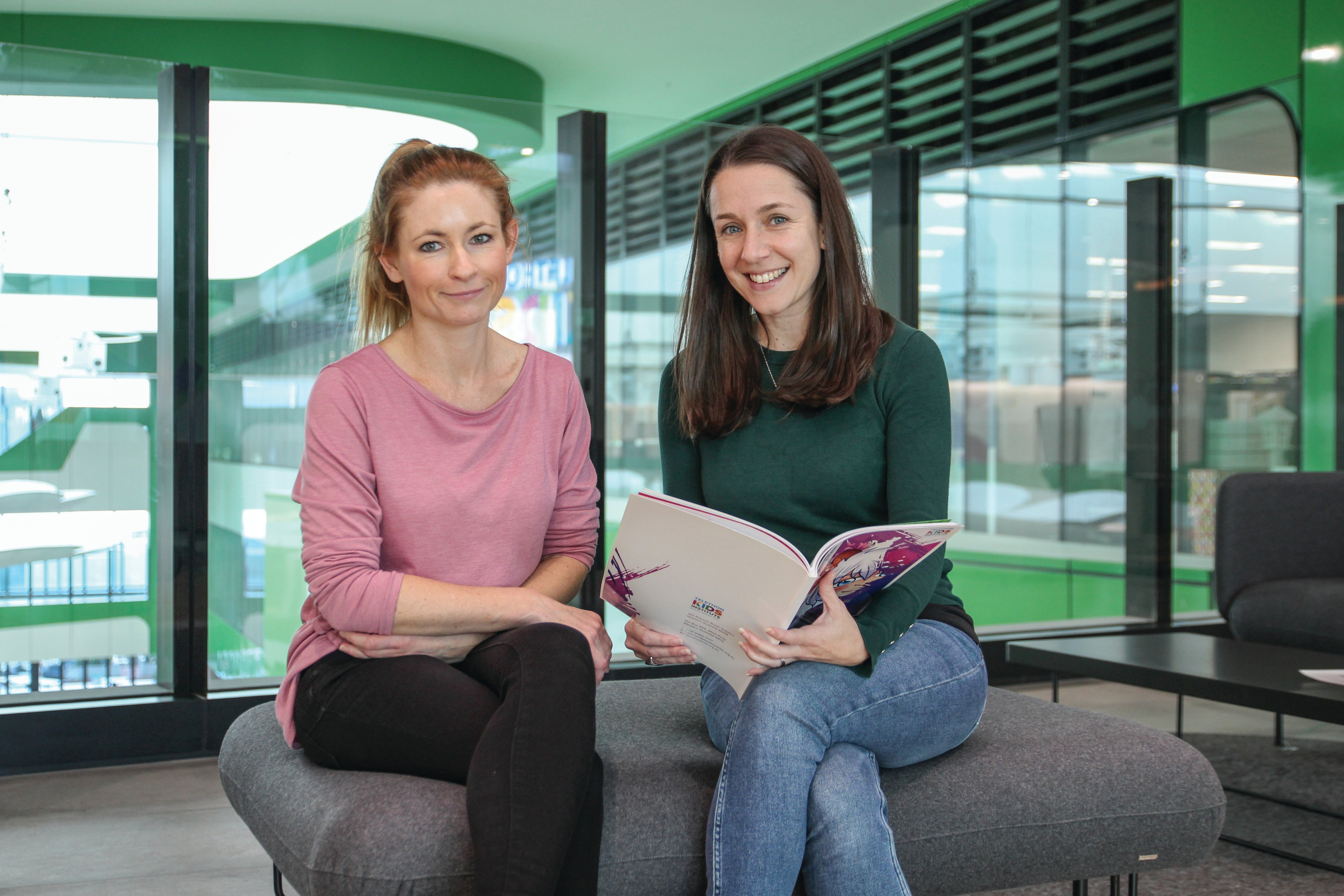
Trans or gender diverse young people are working with The Kids researchers to come up with resources that will provide better support to parents.
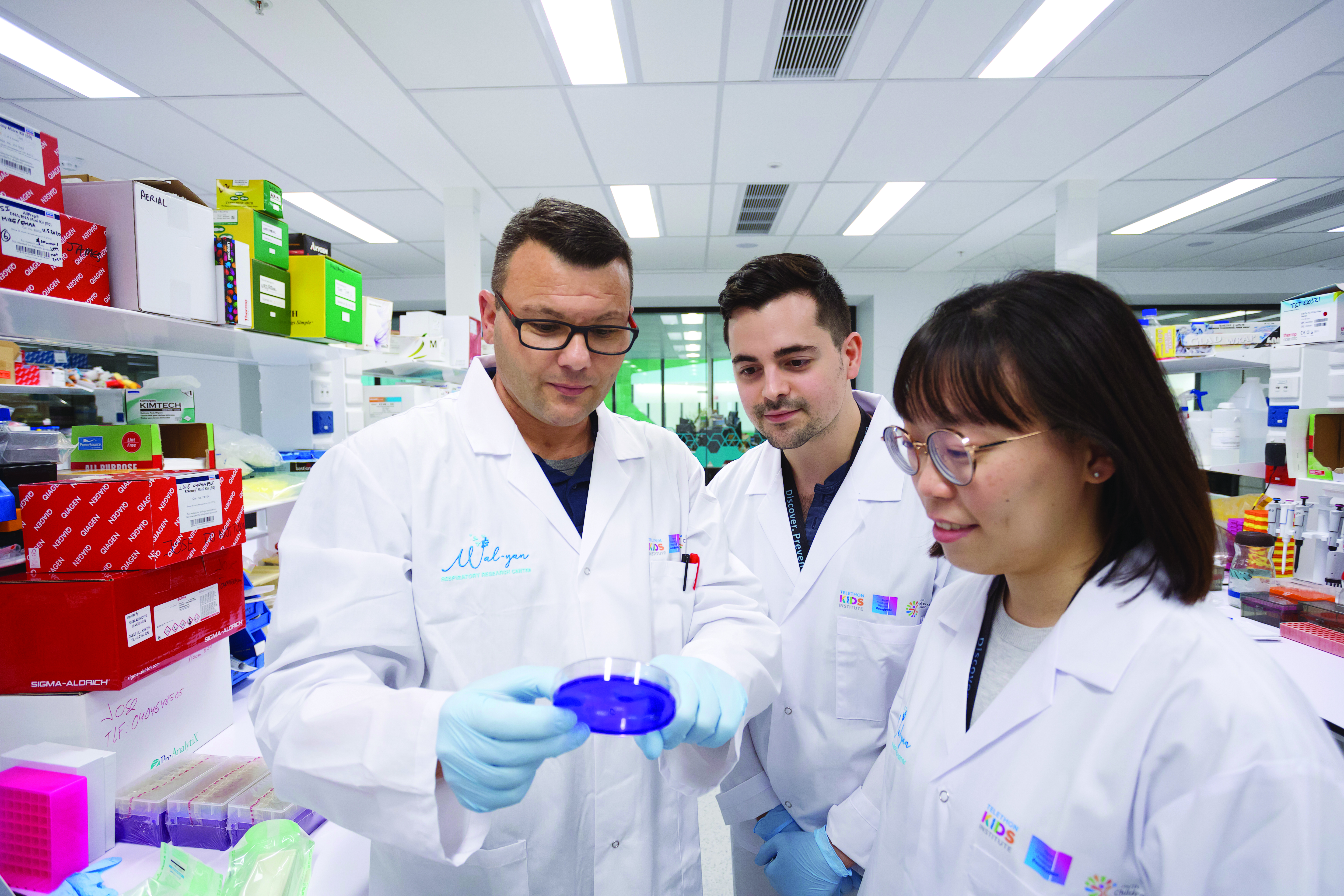
Cutting-edge work is offering new hope to children with Cystic Fibrosis.
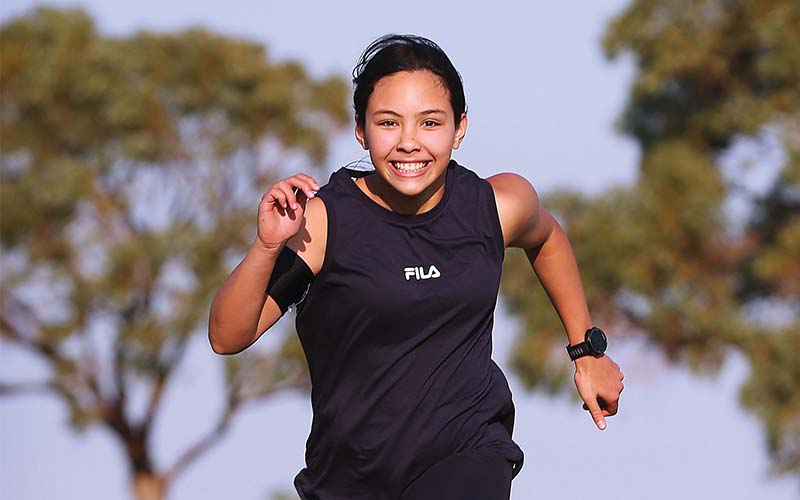
Despite the risk of having a hypo (low blood glucose levels), Gina said she refused to let T1D stop her from exercising.
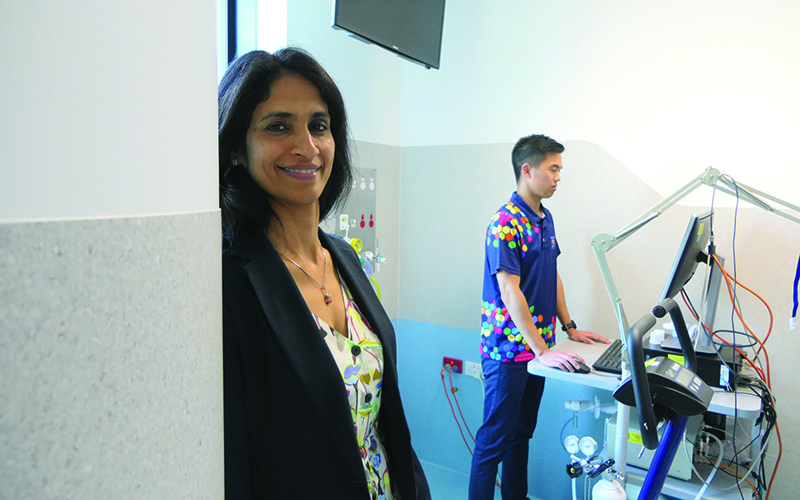
A ground-breaking new app developed by The Kids researchers may soon make exercising safer for young people with type 1 diabetes.
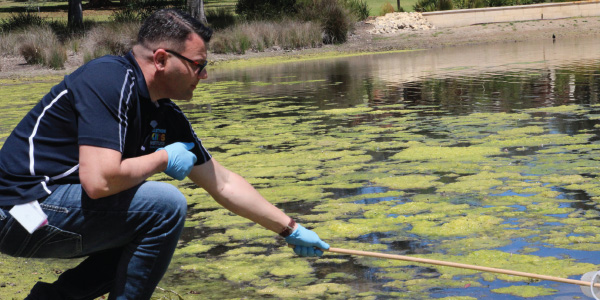
Cystic fibrosis (CF) researchers are working hard to progress phage therapy as an alternative treatment to antibiotics in people with CF who develop life-threatening lung infections.