
Search
Showing results for "early lung health"
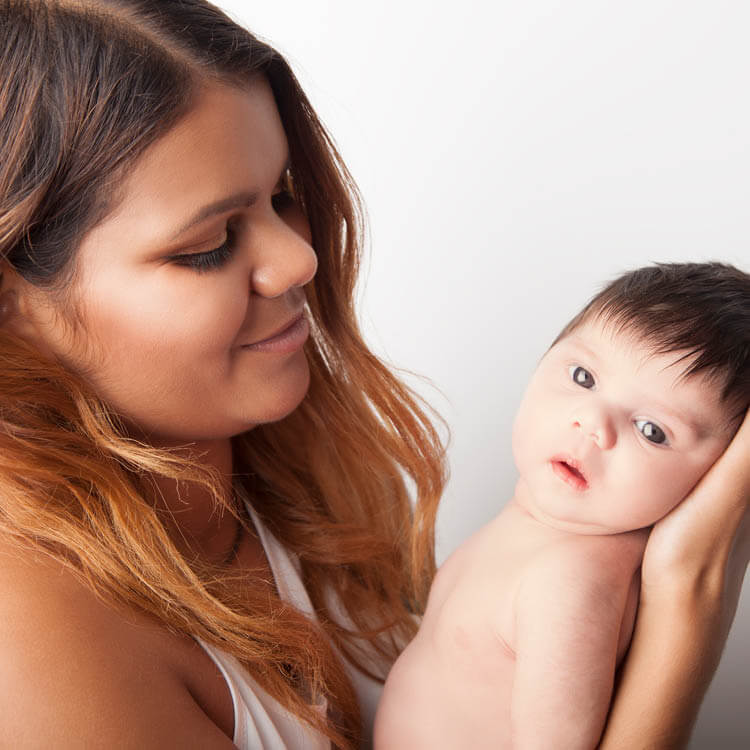
In a WA first, researchers from The Kids Research Institute Australia have shown that Aboriginal babies are 22.5 times more likely to be treated for skin infections than non-Aboriginal babies.
Our findings highlight the need to consider age, ethnicity, seasonality and climate when evaluating rotavirus vaccine programs.
The aim of this study was to measure umbilical blood androgen concentrations in a birth cohort using a highly specific liquid chromatography-tandem mass...
This study used densitometry to investigate the areal bone mineral density (aBMD) and bone mineral content (BMC) in an Australian Rett syndrome cohort...
The Western Australian Influenza Vaccine Effectiveness study commenced in 2008 to evaluate a new program to provide free influenza vaccine to all children...
Influenza vaccine was offered to all children aged 6-59 months resident in Western Australia in 2008, and we wished to evaluate the effectiveness of this immunisation programme.
We investigated trends in invasive pneumococcal disease (IPD) in Western Australia (WA).
Infection accounts for the majority of pediatric mortality and morbidity in developing countries, but there are limited data on the infectious diseases...
Recent research has consistently found significantly higher rates of gender and sexual diversity reported in the autistic population compared to the non-autistic population, and higher rates of autism reported in LGBTQA+ populations compared to cisgender and heterosexual populations
Selective serotonin reuptake inhibitors (SSRIs) are commonly prescribed to manage anxiety in adults with an autism diagnosis. However, their effectiveness and adverse effect profile in the autistic population are not well known. This trial aims to determine the effectiveness and cost-effectiveness of the SSRI sertraline in reducing symptoms of anxiety and improving quality of life in adults with a diagnosis of autism compared with placebo and to quantify any adverse effects.