
Search
Showing results for "early lung health"
To quantify the independent risks of neonatal, postneonatal, 1 to 5 and 6 to 30 year mortality by gestational age and investigate changes in survival over time.
While previous studies have found a link between testosterone levels in amniotic fluid and autistic-like traits, a similar relationship has not been found...
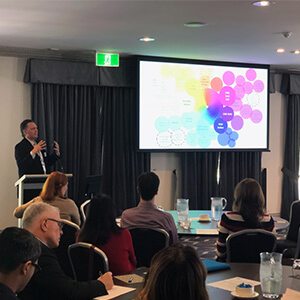
Between 3rd - 5th May 2018, researchers from Australia, New Zealand, South Africa, and the United States (representing their Uganda collaboration) convened in Fremantle, Western Australia to attend the Strep A Spectrum Meetings: from Science to Strategy.
Vaccination against SARS-CoV-2 was a crucial public health measure during the COVID-19 pandemic. Among the multiple strategies developed to increase vaccine uptake, governments often employed vaccine mandates. However, little evidence exists globally about the impact of these mandates and their subsequent removal on vaccine uptake, including in Australia, France, Italy and the USA.
Children born to parents with intellectual disability (ID) have been shown as disproportionally represented in child protection services however with limited population-based research.
Children of parents who have been hospitalised with psychiatric disorders are at risk for poor school readiness
Skin infections are an under-appreciated and dominant reason for presentation to primary healthcare centres in these indigenous communities
Overall the analyses do not suggest individual sequence variants account for differences in clinical outcome or adaptation to different hosts.
Our results lend support to a vaccination strategy which includes family members in order to provide maximum protection for newborn babies.
Identified romidepsin as a promising therapeutic for mixed lineage leukemia (MLL)-rearranged infant acute lymphoblastic leukemia