
Search
Showing results for "early childhood"
Andrew Videos Whitehouse Watch and listen to Andrew PhD Deputy Director (Research); Angela Wright Bennett Professor of Autism Research at The Kids
The absence of a diagnostic test for acute rheumatic fever (ARF) is a major impediment in managing this serious childhood condition. ARF is an autoimmune condition triggered by infection with group A Streptococcus.
One third of children require repeat ventilation tube insertion (VTI) for otitis media. Disease recurrence is associated with persistent middle ear bacterial biofilms. With demonstration that Dornase alfa (a DNase) disrupts middle ear effusion biofilms ex vivo, we identified potential for this as an anti-biofilm therapy to prevent repeat VTI. First, safety and tolerability needed to be measured.
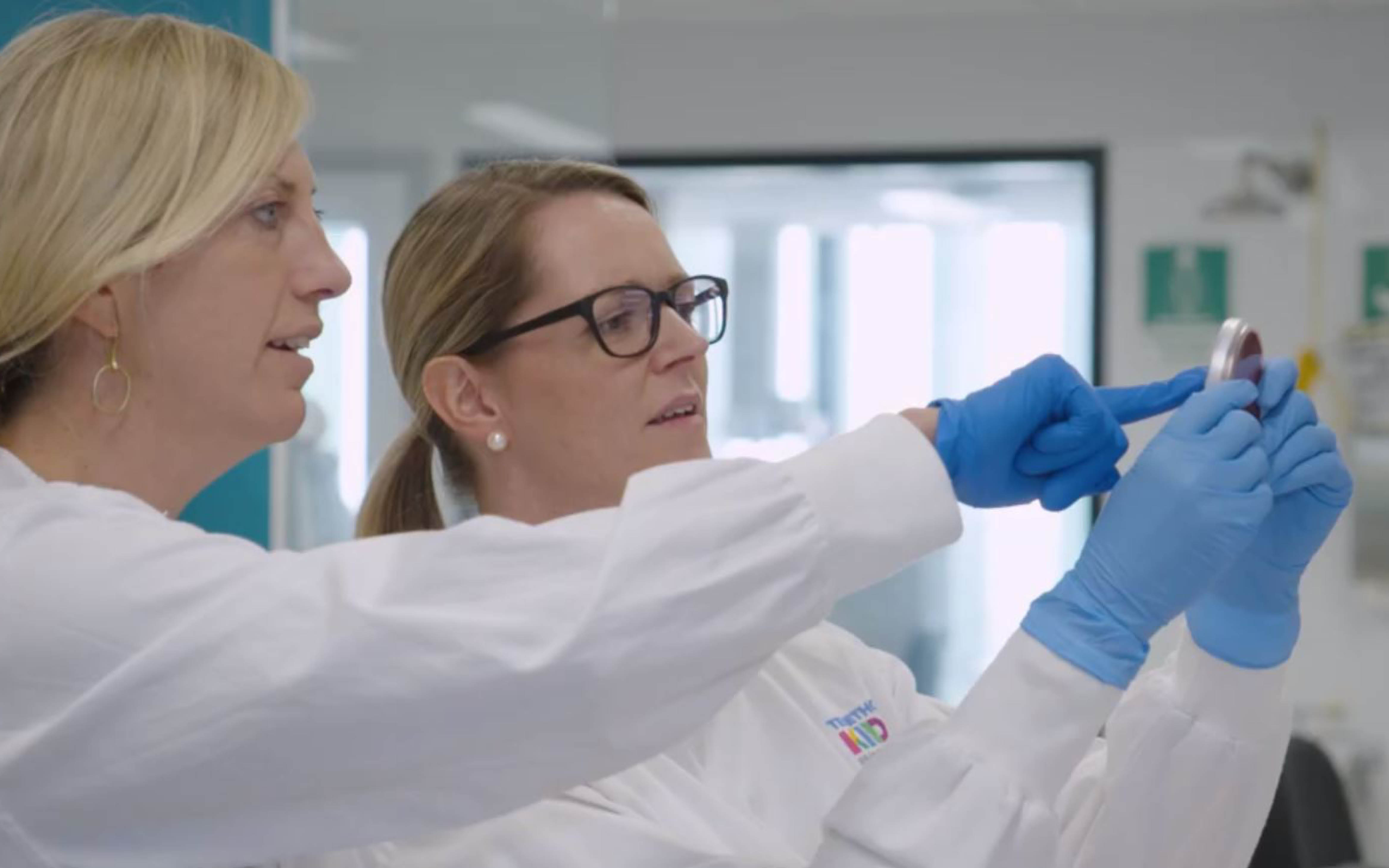
The Bacterial Respiratory Infectious Disease Group (BRIDG) has a major focus ear and lung disease involving Streptococcus pneumoniae and Haemophilus influenzae.

Several The Kids Research Institute Australia researchers will share in more than $7.5 million in prestigious Investigator Grants to pursue a range of innovative child health research.
To determine the efficacy of advanced hybrid closed-loop therapy in a high-risk cohort of youth on continuous subcutaneous insulin infusion with or without continuous glucose monitoring with suboptimal glycemia.
Chronic suppurative otitis media (CSOM), sometimes referred to as chronic otitis media (COM), is a chronic inflammation and often polymicrobial infection of the middle ear and mastoid cavity, characterised by ear discharge (otorrhoea) through a perforated tympanic membrane. The predominant symptoms of CSOM are ear discharge and hearing loss. Topical antiseptics, a possible treatment for CSOM, inhibit the micro-organisms that may be responsible for the infection. Antiseptics can be used alone or in addition to other treatments for CSOM, such as antibiotics or ear cleaning (aural toileting). However, the effects of topical antiseptics for CSOM remain unclear. This is an update of a review last published in 2020, with one new study added. It is one of a suite of seven Cochrane reviews evaluating the effects of non-surgical interventions for CSOM
Chronic suppurative otitis media (CSOM), sometimes referred to as chronic otitis media (COM), is a chronic inflammation and often polymicrobial infection of the middle ear and mastoid cavity, characterised by ear discharge (otorrhoea) through a perforated tympanic membrane. The predominant symptoms of CSOM are ear discharge and hearing loss. Topical antiseptics, a possible treatment for CSOM, inhibit the micro-organisms that may be responsible for the infection. Antiseptics can be used alone or in addition to other treatments for CSOM, such as antibiotics or ear cleaning (aural toileting). However, the effects of topical antiseptics for CSOM remain unclear. This is an update of a review last published in 2020, with one new study added. It is one of a suite of seven Cochrane reviews evaluating the effects of non-surgical interventions for CSOM
As the frequency of eating out-of-home among Australian families increases, concerns have arisen regarding the nutritional quality of Kids' Menus. This study investigated the views of food business owners and managers on Kids' Menus at sit-down venues, specifically factors influencing the choice of meals offered on Kids' Menus and potential initiatives for enhancing the nutritional quality of these menus.
Cancer cells are addicted to polyamines, polycations essential for cellular function. While dual targeting of cellular polyamine biosynthesis and polyamine uptake is under clinical investigation in solid cancers, preclinical and clinical studies into its potential in haematological malignancies are lacking. Here we investigated the preclinical efficacy of polyamine depletion in acute leukaemia.