
Search
Showing results for "early lung health"
Mothers of children with autism spectrum disorder or intellectual disability have higher rates of treatment episodes for psychiatric disorders
Although genetic factors are known to play a causal role in specific language impairment (SLI), environmental factors may also be important. This study...
Mothers of autistic children and adults bewtween 11 and 24 years old were interviewed about the impacts and rewards associated with their children's disability.
There is insufficient evidence to draw conclusions on the efficacy of modified diets, hyperbaric oxygen therapy, immune therapy, and vitamin and fatty acid...
Acute Lymphoblastic Leukemia (ALL) occurring in the first year of life is rare.
Assist in the management of a research project to document the concurrent burden of Group A Streptococcus (GAS) skin infection & GAS pharyngitis
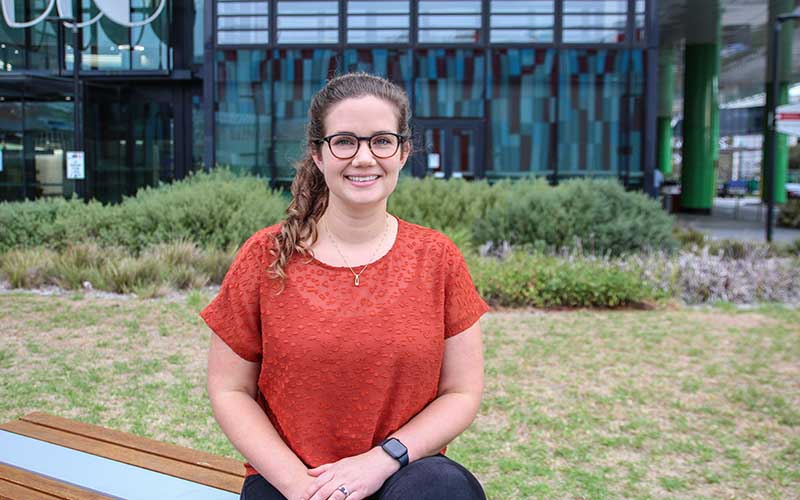
Dr Penelope Strauss will use a prestigious Post-Doctoral Fellowship from Suicide Prevention Australia to develop and trial a world-first intervention.
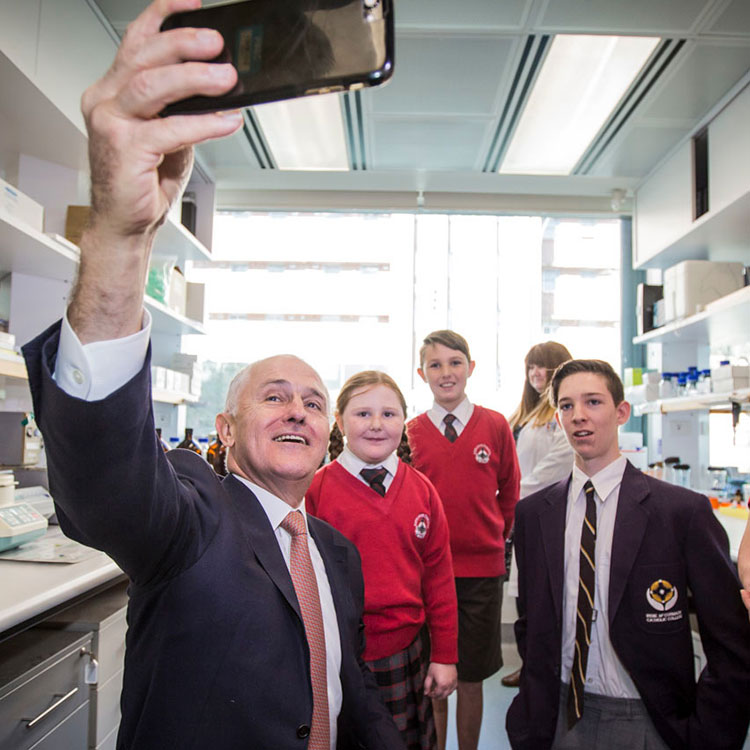
We welcomed the Prime Minister Malcolm Turnbull, Minister for Finance Mathias Cormann and Minister for Foreign Affairs Julie Bishop to the Institute.
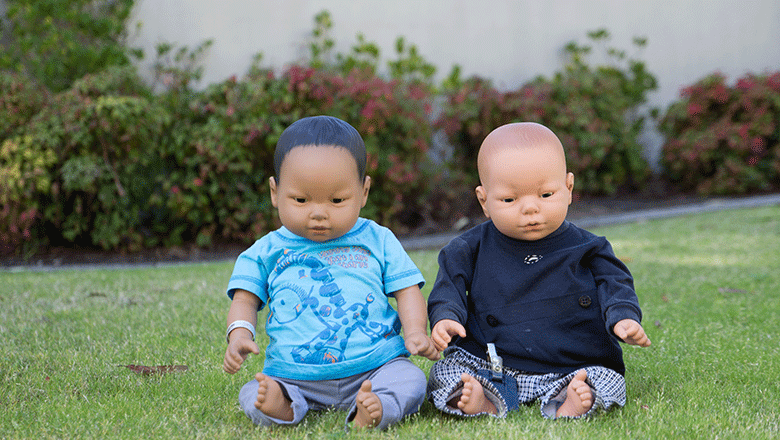
A The Kids Research Institute Australia study has found a popular education programme where teenagers care for a "robot" baby fails to reduce teen pregnancy, and could in fac

Have you ever wondered what impact the design of your backyard and the design of your neighbourhood is having on the health of your kids?