
Search
Showing results for "early lung health"
To investigate the genetic architecture of internalizing symptoms in childhood and adolescence.
This study measured changes in bone density over time using dual energy x-ray absorptiometry (DEXA). Lean tissue or muscle mass (LTM) was also measured.
COVID-19 27 June 2021 Update: It is business as usual for ORIGINS, though masks must be worn.
We are excited to launch this first-of-its-kind Australian study, monitoring glucose levels in Australian children and adolescents who have tested positive to having one or more type 1 diabetes related antibodies but do not yet need treatment with insulin.

Our researchers want to know if starting a gluten-free diet reduces daily glycaemic variability in children and young people with both type 1 diabetes and newly-diagnosed coeliac disease.
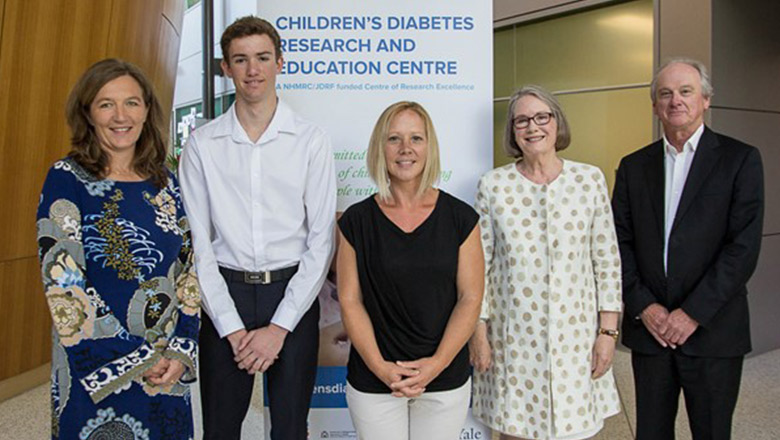
After an intensely competitive process, the research team at Princess Margaret Hospital were awarded $5.2million from a joint JDRF/NHMRC research grant.

Ever wondered just what your gift means to us? Here's a snapshot.
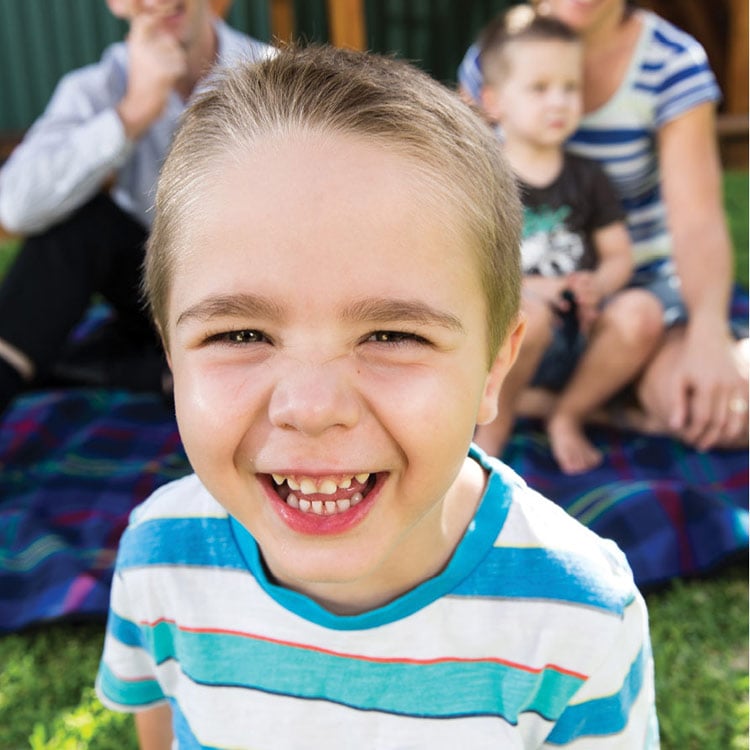
At 6 weeks old David was diagnosed as having cystic fibrosis. His parents say that his involvement in research offers them their greatest hope for his future.
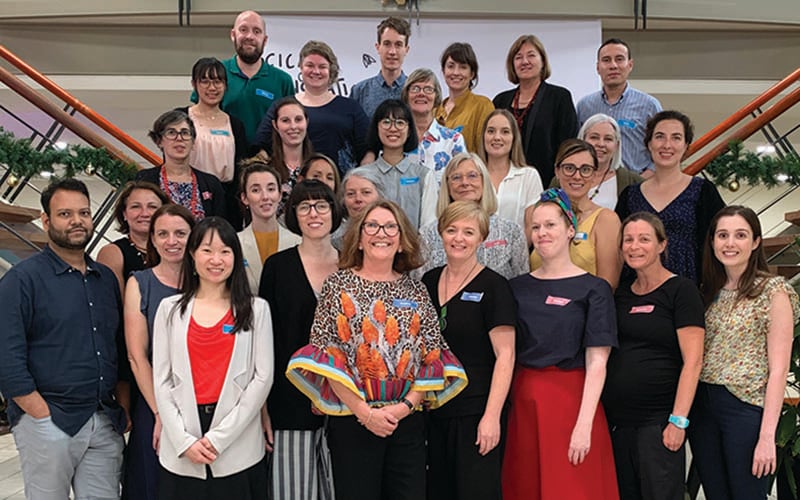
The FASD Research Australia Centre of Research Excellence (CRE) has substantially built the evidence base around FASD and had a significant impact on advocacy, policy and practice.

The Kids Research Institute Australia thrives thanks to our patrons. Their unwavering support propels groundbreaking research for children's health.