
Search
Showing results for "early lung health"
Hannah Moore OAM BSc (Hons) GradDipClinEpi PhD Head, Infectious Diseases Research 08 6319 1427 Hannah.moore@thekids.org.au Head, Infectious Diseases
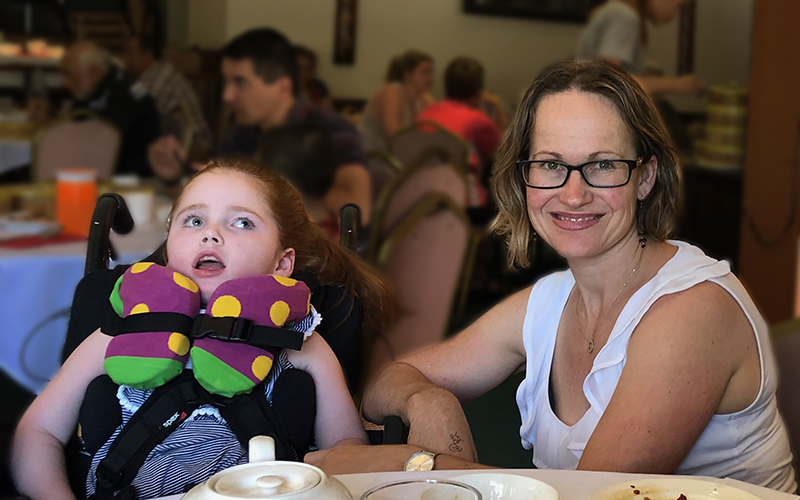
Children with intellectual disability who underwent gastrostomy – a feeding tube placed into the stomach – had better overall health and fewer hospitalisations for all causes except acute respiratory illnesses, research led by The Kids Research Institute Australia has found.

Western Australian researchers advocate for a national newborn screening program for congenital CMV to prevent hearing loss and related disabilities in infants.

Paediatrician and researcher Dr Lana Bell shares some important milestones for social development to look out for in the first year of life.

Led by nine Elders, the Ngulluk Koolunga Ngulluk Koort Project is working to generate a better understanding of early childhood development from an Aboriginal/Nyoongar perspective.
Introduction of subsidized CGM showed early improvement in psychosocial and glycemic outcomes in patients and their families in Western Australia
This study provides further evidence that maternal pre-pregnancy obesity is associated with autism-like behaviors in offspring
To quantify the independent risks of neonatal, postneonatal, 1 to 5 and 6 to 30 year mortality by gestational age and investigate changes in survival over time.
While previous studies have found a link between testosterone levels in amniotic fluid and autistic-like traits, a similar relationship has not been found...
Asha Christopher Tom Bowen Blyth Snelling BA MBBS DCH FRACP PhD GAICD FAHMS OAM MBBS (Hons) DCH FRACP FRCPA PhD BMBS DTMH GDipClinEpid PhD FRACP Head