
Search
Showing results for "lung disease preterm"

A study published in Science Advances has revealed that while genetics play a significant role in shaping children's immune systems, environmental factors also influence key immune responses, offering opportunity for preventing allergic diseases.
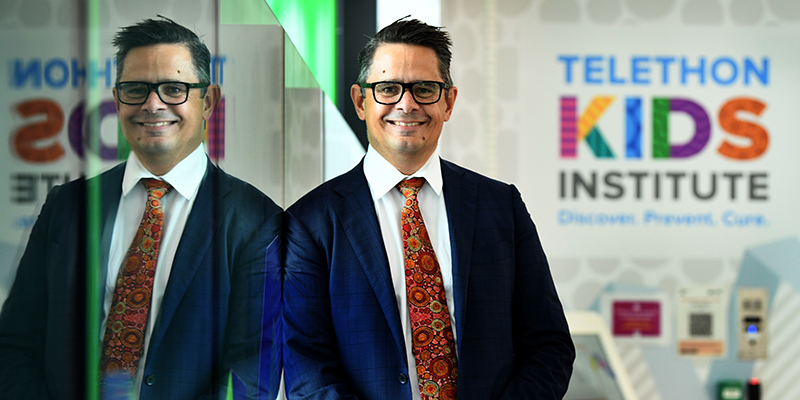
Former West Australian Treasurer, Hon Ben Wyatt, has accepted a position on the Board of WA’s leading medical research organisation, The Kids Research Institute Australia.

Australia’s first needle-free, gene-based COVID-19 vaccine study will be spear-headed in WA by The Kids Research Institute Australia thanks to almost $6 million in Coronavirus Research Response funding announced by Health Minister Greg Hunt.
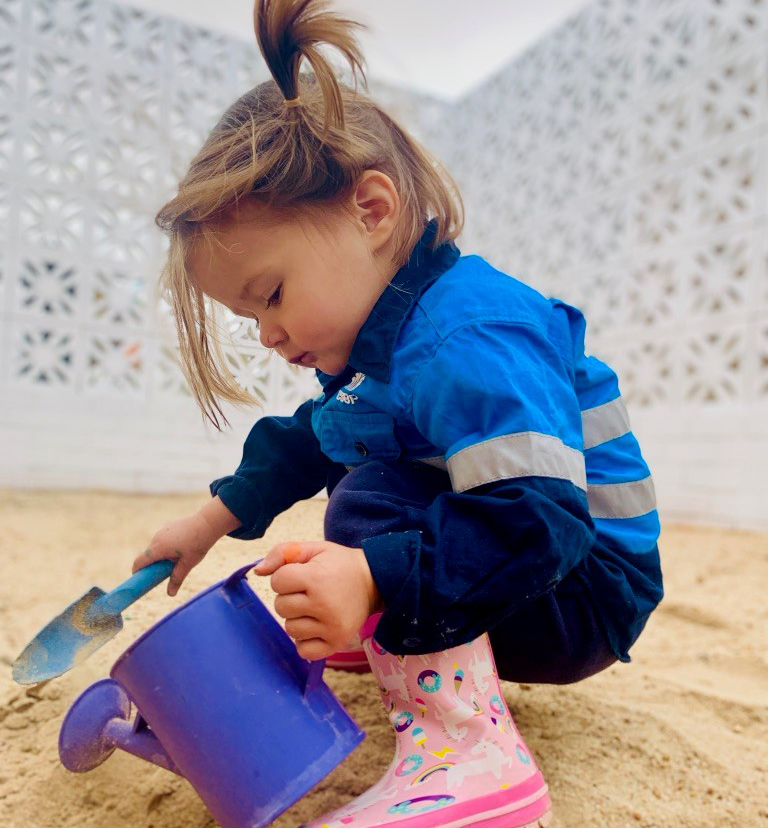
At just two years old, Lucy lost her fight against flu. With your generous help, we can finally beat influenza.
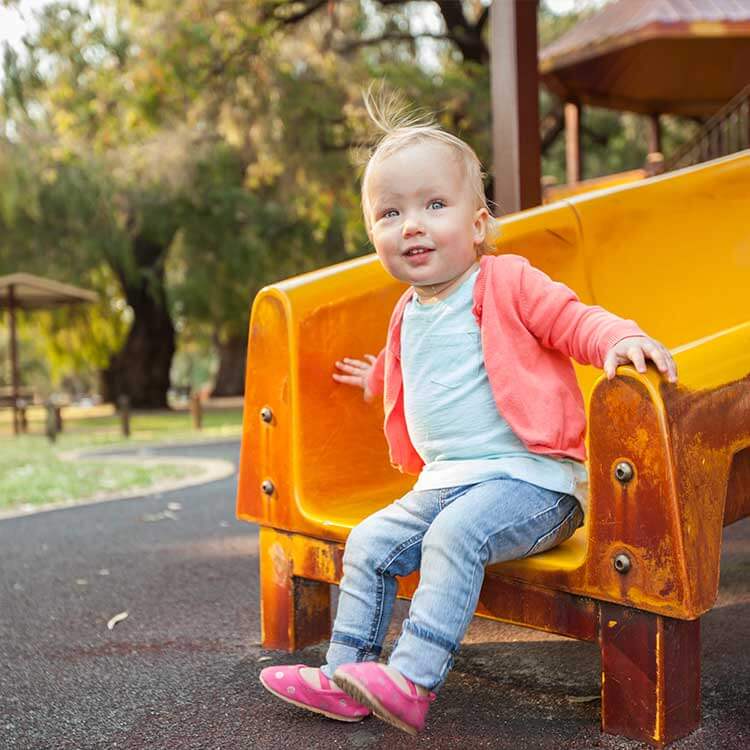
Perth's The Kids Research Institute Australia is excited to announce the appointment of Professor Alex Brown, Ms Nicole O'Connor and Professor Jozef Gecz to its Board.
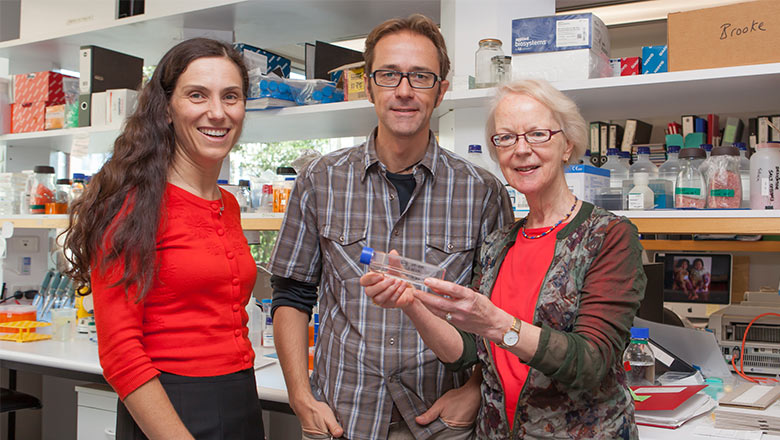
It is now known that the HOX11 gene is permanently activated in the leukaemia cells and it drives the disease.
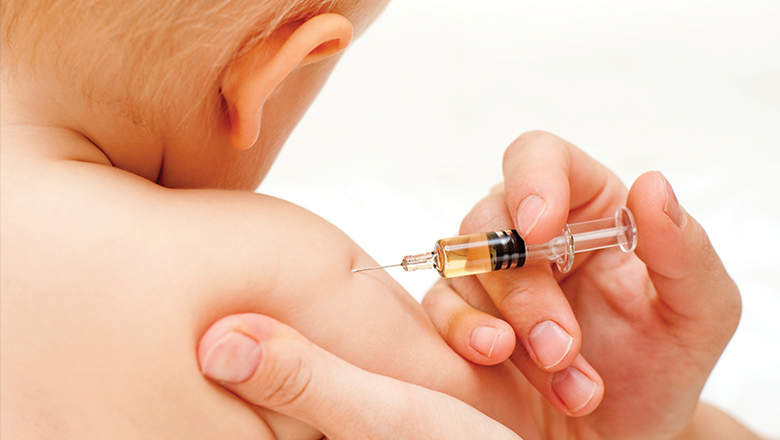
We all know how important it is to vaccinate a child against harmful diseases but vaccinating a child at the right wrong age can cost lives.

One in ten Australians have asthma and Dr Kimberley Wang from The Kids Research Institute Australia is on a mission to find out what causes it.

At this special Telethon Kids Institute lecture, Professor Leroy Hood will share his career journey and talk about the emergence of personalised medicine.
You are invited to register to attend the National Indigenous Immunisation Research Workshop 2013: lessons learnt and future directions Workshop.