
Search
Showing results for "clinical trials"
The multiple breath nitrogen washout (N2MBW) technique is increasingly used to assess the degree of ventilation inhomogeneity in school-aged children with lung disease. However, reference values for healthy children are currently not available.
Graham Kathryn Rachel Alana Hall Ramsey Foong Harper BAppSci PhD CRFS FANZSRS FThorSoc FERS BSc (Hons), PhD BSc (hons), PhD, MBiostat BSc (hons)

The MAVRIC (Mechanisms of Acute Viral Respiratory Infection in Children) study recently celebrated the recruitment of the 1000th participant to the study, eight-year-old Sullivan Strahan.

A study which set out to determine ways to predict the long-term lung health of young adults born very preterm has shown that a childhood history of respiratory hospital admission should be a key consideration in the management of preterm children and adults.

Dr Daniel Laucirica, a research officer with the Wal-yan Respiratory Research Centre, will undertake new research into potential treatment strategies to prevent lung damage in people with cystic fibrosis (CF), under the mentorship of Associate Professor Anthony Kicic - made possible by a Vertex Cyst

PhD student Rigel Paciente

JDRF ONE TALK WITH... PROFESSOR LIZ DAVIS Tune into JDRF Australia instagram page Wednesday 20 October from 3PM WST to hear our Co-Director Professor Liz Davis chat about the diabetes research she's involved in and why she does it. JDRF Australia (@jdrfaus) • Instagram photos and videos
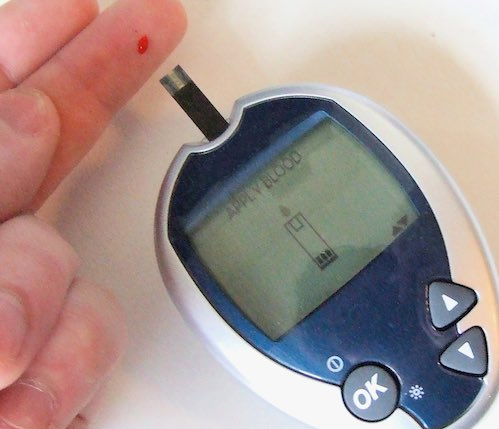
It’s time to back off from the fear-mongering around severe hypoglycaemia, according to Children's Diabetes Centre researchers who point to increasing evidence that improved glycaemic control in children with type 1 diabetes is not associated with increasing rates of hypoglycaemia.

In this blog, Speech Pathology Clinical Lead Aria May and Occupational Therapy Clinical Lead Marie Rodatz share their top tips for making the most of nappy changes to help create more opportunities for connection.
Asthma exacerbations are associated with human rhinovirus (HRV) infections, and more severe exacerbations are associated with HRV-C.