
Search
Showing results for "Childhood interstitial lung disease "
To see if giving insulin by mouth (in a capsule) will delay or prevent T1DM in people at increased risk of developing diabetes.
The aim of this study is to see if the Medtronic hybrid closed loop system, a portable artificial pancreas is feasibly to use in the home.
We are made up of hundreds of different cell types carrying out a diverse range of functions essential for organism survival. All the information required to specify the morphology, function and response to stimuli of these cells is encoded in identical copies of the genome. The process of gene regu
aboriginal research assistant child health ear
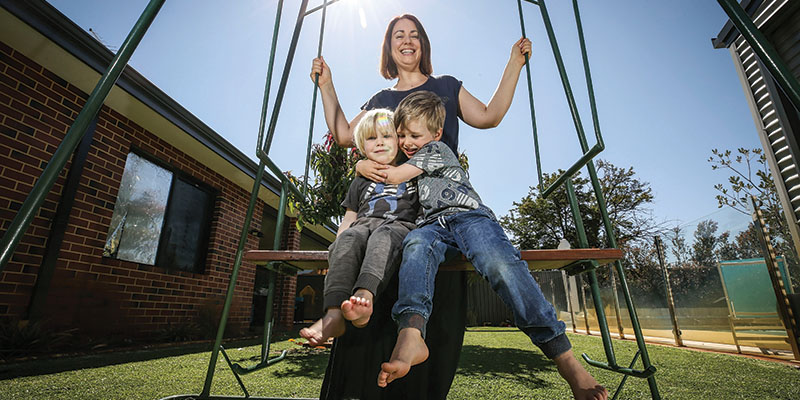
Felix was one of 195 children to take part in Dr Debbie Palmer’s research into sunlight exposure, vitamin D and eczema.
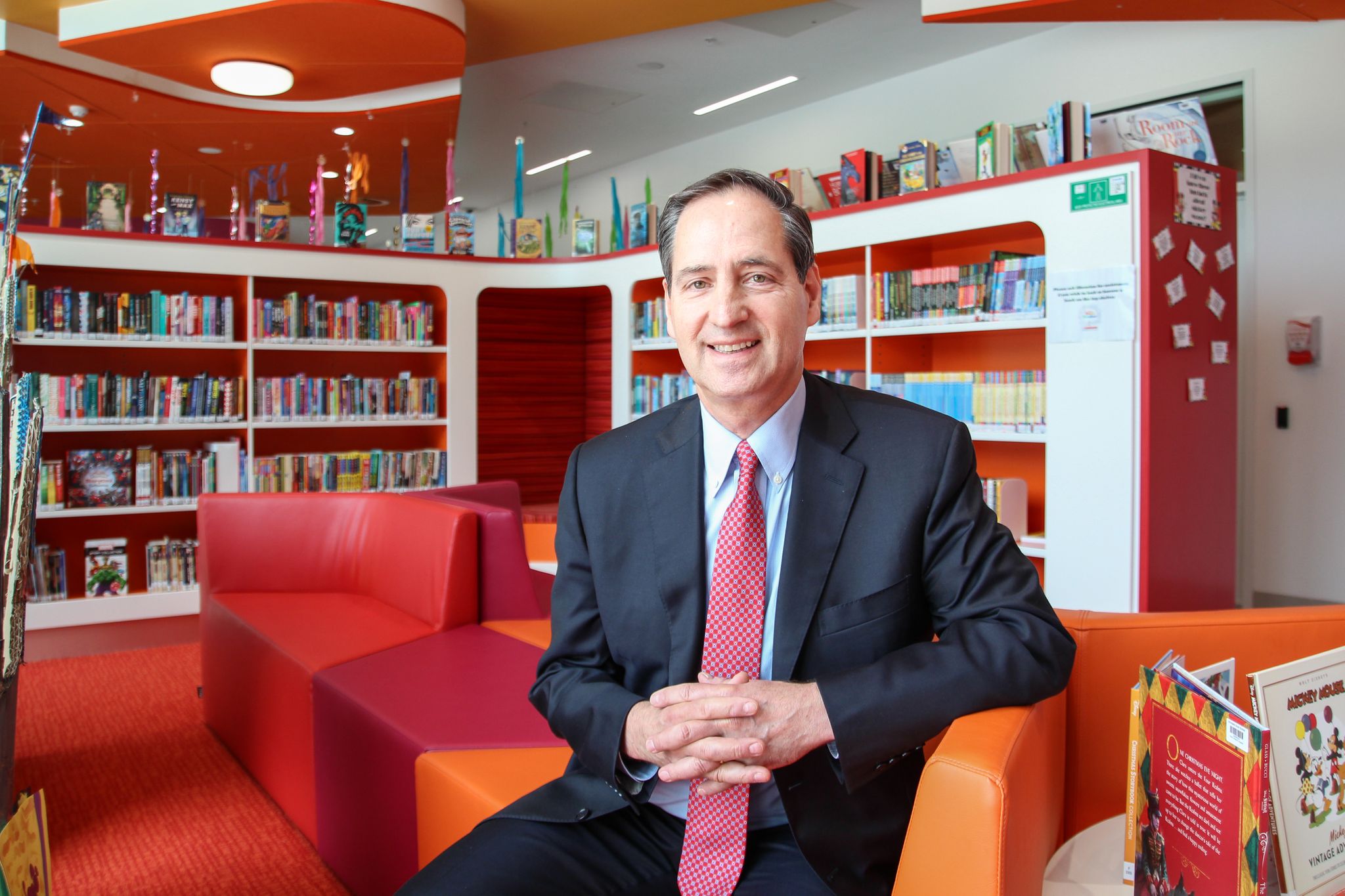
Corporates and private investors are beginning to realise the benefits of investing in early years initiatives, according to international demographer and economist Professor David Bloom.

New research by The Kids Research Institute Australia has found children who attend playgroups achieve better early primary school outcomes.

We are honoured to bestow upon Fiona an Honorary Life Membership of this Institute as a reflection of our great respect, love and thanks.
Perth's The Kids for Child Health Research will be located in an integrated building with the state's new children's hospital
Yasmin Harman-Smith BA, BHlthSc(Hons), MTeach(Primary), PhD Head, Early Years Systems Evidence Yasmin.harman-smith@thekids.org.au Head, Early Years