
Search
Showing results for "mental health aboriginal"
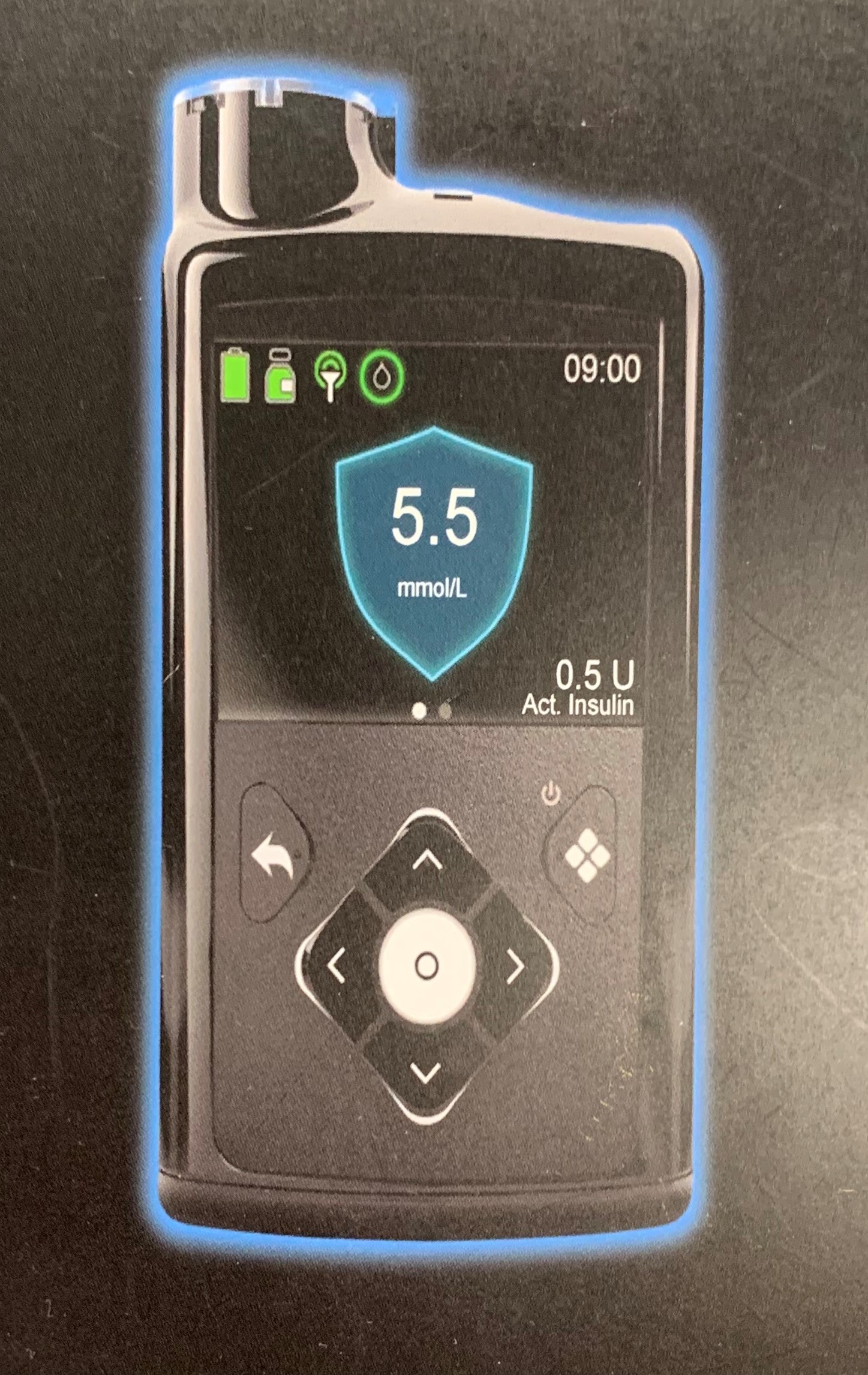
Our researchers are looking for young people with Type 1 diabetes and HbA1c above 8.5%, to see if using an advanced hybrid closed loop system (MiniMed Medtronic™ 780G insulin pump) will improve blood glucose levels and HbA1c.
Pump update: New changes to health insurance premiums, pump information evening and more
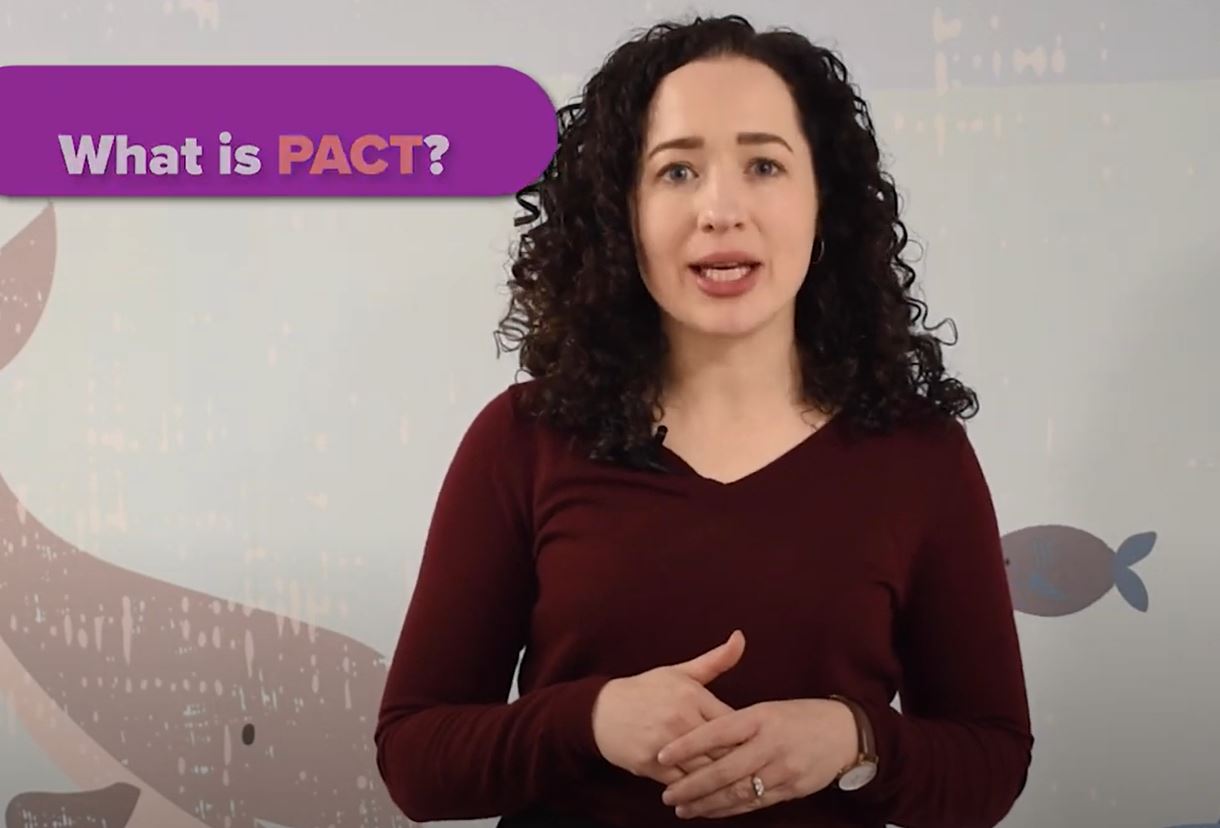
Paediatric Autism Communication Therapy is now available at CliniKids via telehealth.
Antibiotic exposure in neonatal intensive care units (NICU) is high. This study describes antibiotic use in very preterm infants and examines the association between duration of exposure and outcomes in blood culture negative (CN) infants.
This longitudinal analysis in Australian women evaluated change in diet quality and food and nutrient intakes from the third trimester of pregnancy to 1-year postpartum with comparison to national nutrition recommendations. Associations between diet quality, sociodemographic and health characteristics were also investigated.
We have started a project utilising whole genome sequencing of undiagnosed children living in WA to provide a definitive diagnosis. A major challenge here is that the role and functions of the inter-genic regions of our genome (the remaining 98%) are relatively poorly understood.
The physicochemical compatibility of alprostadil injection with secondary intravenous (IV) drugs and 2-in-1 parenteral nutrition (PN) solutions used in Neonatal Intensive Care Unit settings was investigated.
The COVID-19 pandemic is the first major pandemic of the digital age and has been characterised by unprecedented public consumption of spatial and temporal disease data, which can enable greater transparency and accountability of governments to the public for their public health decisions.
Cereal foods are consumed globally and are important sources of polyphenols with potential health benefits, yet dietary intakes are unclear. We aimed to calculate the dietary intakes of polyphenols from cereal foods in the Melbourne Collaborative Cohort Study, and describe intakes by demographic and lifestyle factors.
Type 1 diabetes, one of the common chronic conditions in children and adolescents, is a serious lifelong condition requiring daily treatment with exogenous insulin for survival. Descriptive epidemiology is important for planning of adequate diabetes health-care provision and could provide clues to aetiology. Over the past few decades, standardised diabetes incidence registries have provided a wealth of data from selected countries.