
Search
Showing results for "Childhood interstitial lung disease "
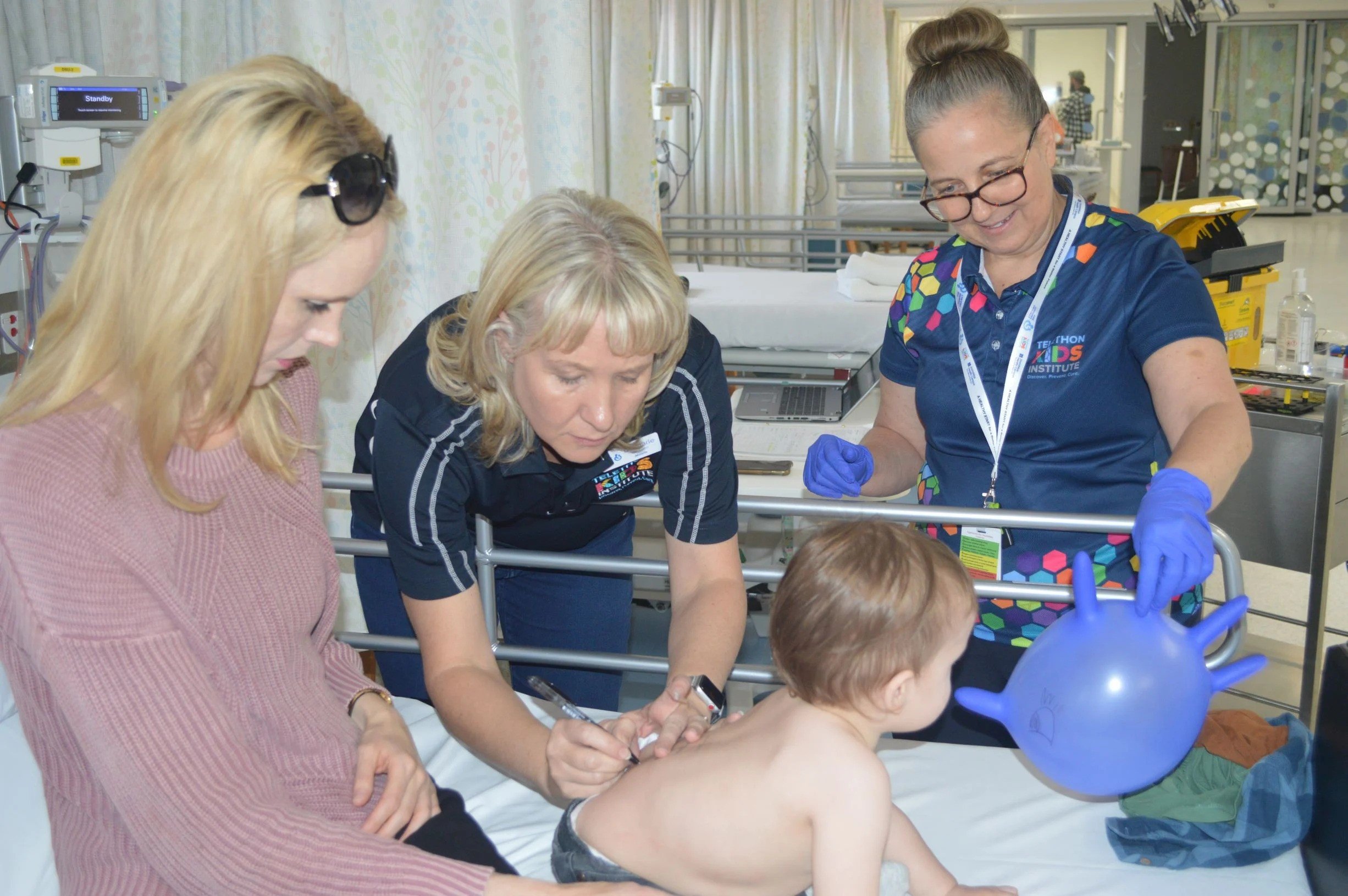
This fellowship will assist Associate Professor Palmer in her large-scale food allergy prevention trials.
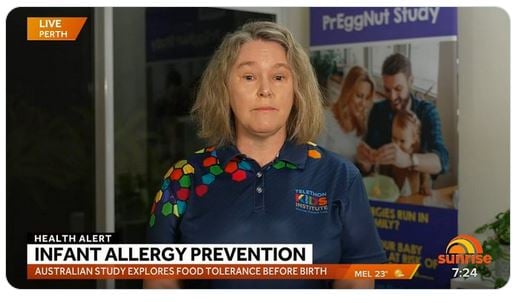
Dr Debbie Palmer spoke to Ch7 Sunrise about the changing advice for parents about the development of food allergies in kids.
Cathy Chopping is thankful she decided to try and help others by joining ORIGINS

If you're required to undertake an Advanced Trainee Research Project (ATRP) as part of your RACP Advanced Training, the Advanced Trainee Research Support Program (ATRSP) is here to support you every step of the way.

PrEggNut is aiming to determine whether mothers regularly eating more eggs and peanuts during pregnancy and breastfeeding will reduce food allergies in their babies.

Senior researcher Dr Alix Woolard gives a talk on post-traumatic growth at TEDx Youth @ Kings Park
Embrace @ The Kids Research Institute Australia, in partnership with Rio Tinto, is hosting a free public panel discussion on permacrisis and the mental health of young people at Perth State Library on Thursday 9 November, with a keynote address from Professor Helen Milroy AM.
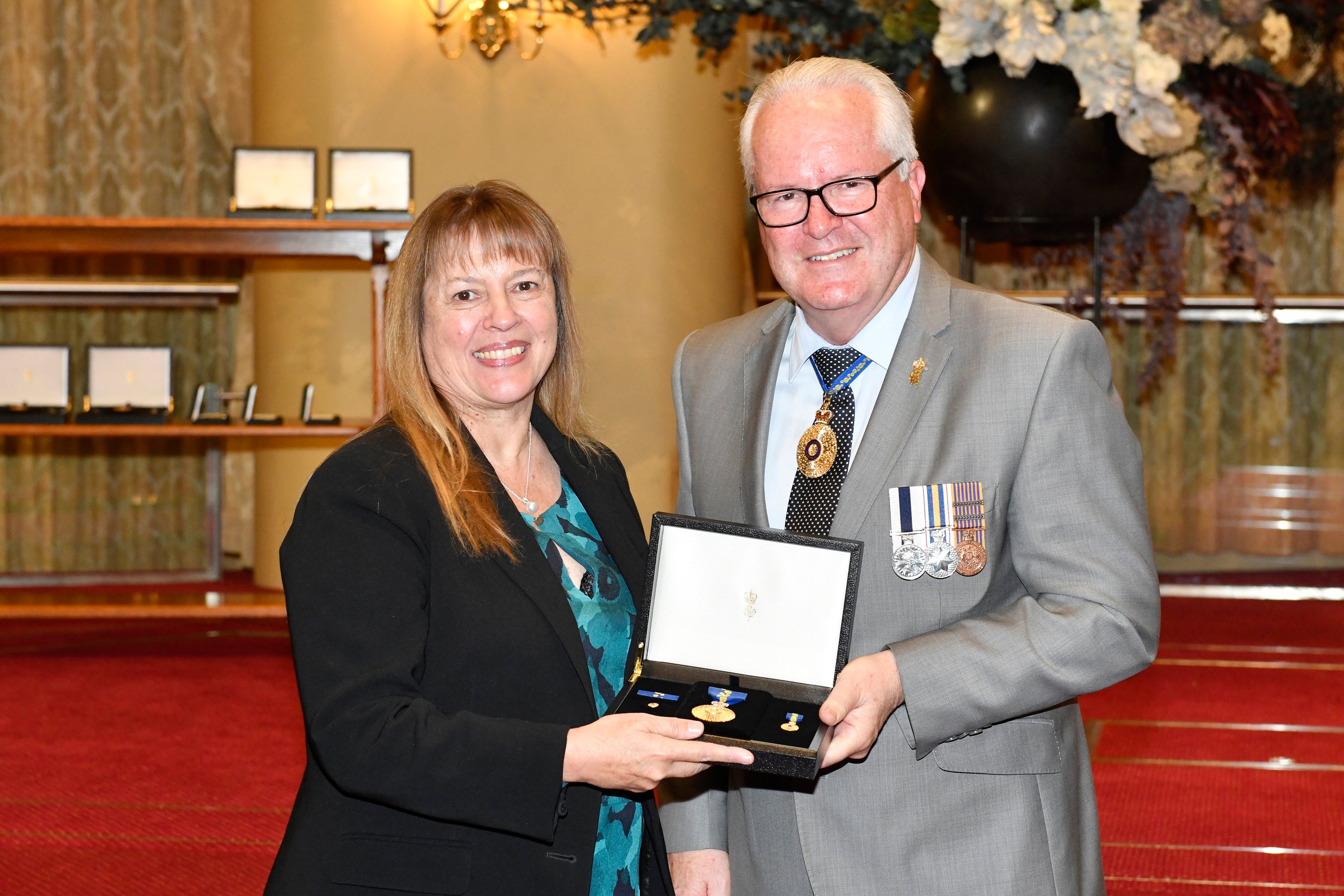
Prominent WA psychiatrist Professor Helen Milroy receives AM award at Government House
Acute poststreptococcal glomerulonephritis (APSGN) is an immune complex-induced glomerulonephritis that develops as a sequela of streptococcal infections. This article provides guidelines for the surveillance of APSGN due to group A Streptococcus (Strep A). The primary objectives of APSGN surveillance are to monitor trends in age- and sex-specific incidence, describe the demographic and clinical characteristics of patients with APSGN, document accompanying risk factors, then monitor trends in frequency of complications, illness duration, hospitalization rates, and mortality.
Benzathine penicillin G (BPG) has been in use since the 1950s for treatment of skin infections, bacterial pharyngitis, syphilis and prevention of recurrent episodes of acute rheumatic fever (ARF)