
Search
Showing results for "Childhood interstitial lung disease "
The ability for vaccines to protect against infectious diseases varies among individuals, but computational models employed to inform policy typically do not account for this variation. Here we examine this issue: we implement a model of vaccine efficacy developed in the context of SARS-CoV-2 in order to evaluate the general implications of modelling correlates of protection on the individual level.
Malaria is a significant public health concern in the Kingdom of Saudi Arabia (KSA). This study aimed to investigate the spatiotemporal distribution of malaria in the KSA between 2017 and 2021.
Plasmodium knowlesi is a zoonotic parasite that causes malaria in humans. The pathogen has a natural host reservoir in certain macaque species and is transmitted to humans via mosquitoes of the Anopheles Leucosphyrus Group. The risk of human P. knowlesi infection varies across Southeast Asia and is dependent upon environmental factors.
To reduce peanut allergy prevalence, infant feeding guidelines now recommend introducing peanuts in an age-appropriate form (such as peanut butter) as part of complementary feeding. However, due to a lack of randomized trial evidence, most infant feeding and food allergy prevention guidelines do not include tree nuts. The aims of this trial were to determine safety and feasibility of dosage consumption recommendations for infant cashew nut spread introduction.
Type 2 diabetes in young adults (nominally, 18–30 years of age) is a more aggressive condition than that seen in older age, with a greater risk of major morbidity and early mortality. This first Australian consensus statement on the management of type 2 diabetes in young adults considers areas where existing type 2 diabetes guidance, directed mainly towards older adults, may not be appropriate or relevant for the young adult population.

When author Maurice Sendak first sketched out the story of a rambunctious little boy sent to his room without supper, there’s no way he could have known his rollercoaster tale of childhood imagination would still be speaking to the hearts of wild young things more than six decades on.
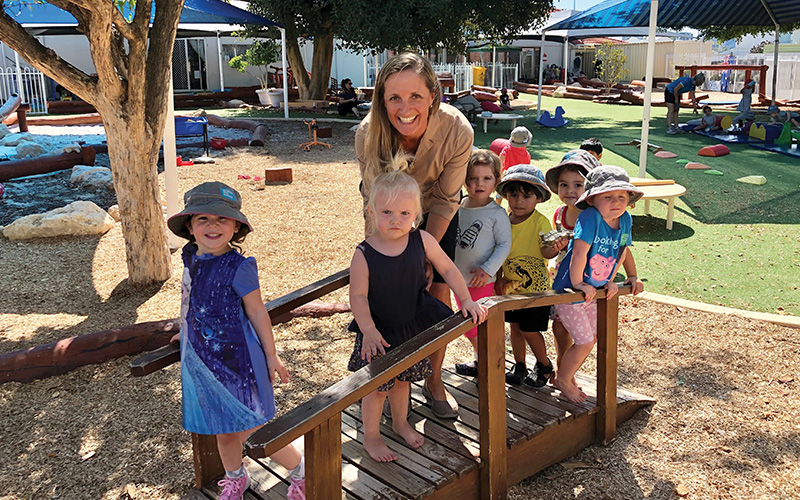
Not too long ago, if you had mentioned physical activity to educators at the Sonas Early Learning & Care centres run by Shelley Prendergast, they would automatically have reached for the trusty old obstacle course.
Wellbeing and mental health are fundamental rights of children and adolescents essential for sustainable development. Understanding the epidemiology of child and adolescent wellbeing is essential to informing population health approaches to improving wellbeing and preventing mental illness.
In children with Prader-Willi syndrome (PWS), growth hormone (GH) improves height and body composition; however, may be associated with worsening sleep-disordered breathing (SDB). Some studies have reported less SDB after GH initiation, but follow-up with polysomnography is still advised in most clinical guidelines.
We investigated the longitudinal stability of hand function in Rett syndrome and to analyze further the relationships between stability of hand function and genotype, age, and walking ability. Study design: Longitudinal video data of functional abilities of individuals with genetically confirmed Rett syndrome were collected by families of individuals registered with the Australian Rett Syndrome Database.